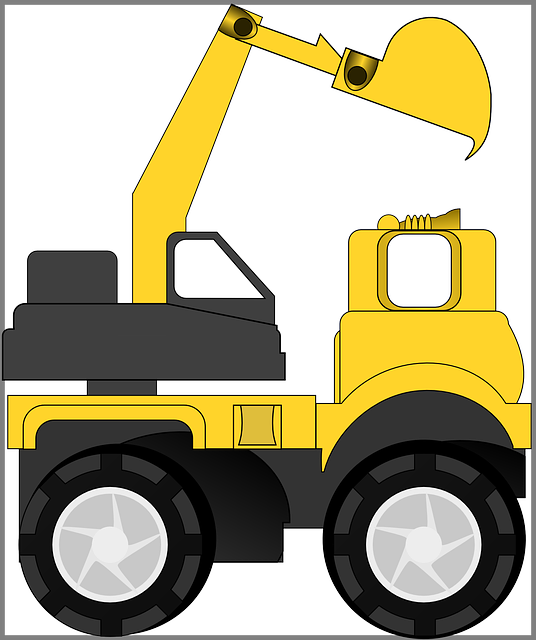
 Plumbers, electricians, carpenters, tree surgeons and roofers who perform skilled work on a customer’s premises are just a few examples of artisan contractors. These workers are also called casual contractors. Piano tuners, interior decorators, exterminators and other skilled service providers are also considered artisan contractors. These contractors require special insurance for their tools and equipment, which are commonly moved from one site to another until each job is finished. The most affordable and efficient way for an artisan contractor to get liability and property coverage is to obtain a Business Owners Policy that is tailored to fit individual needs. Although they might be marketed under varying names, such policies usually have similar terms.
Property owned by the business and real property are covered by the BOP. The property must be located at the address of the business described in the policy. Businesses that lease or rent their locations have coverage from the BOP for tenants’ betterments and improvements. These include any installations, additions or alterations that cannot legally be taken away from the premises. Equipment that moves from one site to another and valuable machinery are items that pose the greatest risk for a significant loss. Such items are not covered under a standard property insurance policy. These items are classified as movable property, which means special contracts are required to obtain insurance. These special contracts are called floaters.
Various types of equipment and machinery are covered during transit with an installer’s floater. They’re also covered during testing. In some cases, building materials might also be covered. Policies may be written to include coverage on a reporting form or for a single job. This means that the contractor provides information to the insurer regarding each new contract. Tools and equipment floaters provide coverage for the property that is insured. Coverage is extended to any location where the movable property is used.
Liability coverage is essential for all contractors. If a customer files a lawsuit, this type of coverage will certainly be required to protect the contractor. Subcontractors’ customers might require individuals who work for them to have Owners and Contractors Protective Liability insurance. This type of coverage provides protection for business owners from liabilities resulting from negligent acts committed by contractors or subcontractors. It’s best to speak with one of our agents to learn how this type of coverage works. There might also be coverage for certain vehicles. Speak with us to learn what types of coverage are available for vehicles that are used primarily for business.
Content provided by Transformer Marketing.
Read more
 In the construction world, we’re often quick to reprimand our workers about safety violations. Such phrases as “Hey, put your helmet on!”, “Seriously, do you really think this is a good idea?” and “Get off that ladder now!” come to mind. All too seldom, do we say, “Thanks. You’re doing a great job in keeping the site safe!”
As you walk your work sites or wander the shop, it’s important to search out potential hazards and people who are not following what’s expected. However, don’t forget to recognize and acknowledge the workers who are doing their jobs right. When you recognize the power of thanking those who do well, their peers pay attention. That’s the reason why merit badges work.
Whether you’re a supervisor, foreman, or project manager, your job is to encourage safe behavior by motivating – not threatening – your workers as often as possible. Showing gratitude goes a long way in forming your crew and your friends. Take the time, and you’ll soon be surrounded by people who want to work for you. When you recognize this, you will understand the power of thanks.
Without trust, there’s little chance of success in any business – including yours. Your role is to help your workers stay out of trouble and eliminate acts and conditions on the job that can harm them. Whenever possible, it’s better to work with them, rather than acting as an obstacle.
Help your construction crews understand the hazards of the work they do and how to get them corrected. Establish a level of trust, and say “Thanks!” more often than “Stop!”
Remember, you catch more flies with honey than vinegar.
Content provided by Transformer Marketing.
Read more
Without any warning, a kitchen fire can occur when you are busy cooking. Here are some safety tips to prevent a fire:
- Don’t wear anything that can catch fire. That includes long sleeves and loose fitting clothes. Make sure your clothes fit tight.
- Move all towels, pot holders, paper towels and anything else that can easily catch fire.
- Keep children a safe distance from hot areas.
- Make sure all pots have lids that fit securely on them.
- Never, EVER leave the kitchen while you are cooking. If you must leave, turn off all the burners.
Make sure you have an easily accessible fire extinguisher in your kitchen in case of a fire. In case of a uncontrollable fire, make sure you have a safe escape plan that you have practiced with your family.
Give us a call today for a review of your homeowners insurance policy.
Scurich Insurance Services has proudly served the Monterey Bay area since 1924. Scurich will take care of all of your insurance needs. Are you a business owner, did you get a new car or maybe you are looking to protect your family in the event of a tragedy? Give us a call, we can help!
Let Scurich Insurance Services know if you are a Happy Customer!
We are located at:
Scurich Insurance Services
320 East Lake Avenue, PO Box 1170
Watsonville, CA 95077-1170
Office: 1-831-722-3541
Toll Free: 1-800-320-3666
Website | Facebook | Blog | LinkedIn | Happy Customer
Read more
Information provided by: Read more at http://www.moneytalksnews.com/2013/08/07/dont-get-swept-away-cars-and-flood-insurance/#K01tpMfW6B8iMqqH.99
July is known for being a peak summer month filled with sunny days, but this year it also turned out to be a notorious month for flash floods across the country.
- On July 3, a flash flood in Lebanon, N.H., forced evacuations and caused an estimated $6.5 million in damage, according to The Associated Press.
- On July 10 in South Pittsburg, Tenn., floodwaters from relentless rain spawned a newborn river that swept through neighborhoods, shops and City Hall, according to a Times Free Press report. The rapids, which came without warning, “hit with the force of an earthquake, tossing cars, killing wildlife and lifting sheets of asphalt the size of trucks,” the report said.
- By July 26, western North Carolina had suffered through four flash floods in the past four months, the last one being the most severe in decades, according to the Charlotte Observer.
- On July 29 in Arizona, things were no better for the 33 passengers on a tour bus outside of Flagstaff as flash flood waters swept the bus hundreds of yards until it flipped on its side on an embankment, according to the AP. Fortunately, passengers escaped with no injuries.
Drivers are advised to avoid driving during a flood if at all possible for a very good reason: According to the Federal Emergency Management Agency, nearly half of all deaths during a flood are vehicle-related.
When asked for tips for driving in a flood, Carroll Lachnit, features editor for automotive research site Edmunds.com, says, “Don’t do it.”
Driving tips for flash floods
While the best advice is to stay off the roads, sometimes drivers get caught in an unexpected flood.
“The classic ‘turn around, don’t drown’ statement that gets repeated during every major storm is excellent advice,” says Lachnit. “Never drive through flooded areas. If it’s raining heavily and you’re driving in a familiar location where you know there are vulnerable areas, then you need to avoid them.”
Lachnit says you should never drive beneath an underpass during a heavy rainstorm because they are prone to flooding.
Another tip for driving when flooding begins is to be wary of water levels. “According to FEMA it takes only 1 foot of water to float almost any car,” she says. “Even an SUV can be swept off a bridge (or down a road) in a foot of water. Six inches of water reaches the bottom of most cars, which means you could lose control of your car or wash out into the flood.”
If you’re on the road and see signs of high water or stranded vehicles, Lachnit says, you should pull over or take a different route. If you see water rising above the bottom of the tires of the car in front of you, that’s an indication to turn around. You can sometimes guess how deep the water is compared with the curb, but you may not know about flood damage to the roadbed underneath.
If your car gets caught in a flash flood and stalls or you lose control, FEMA recommends that you get out if you can before it gets carried downstream.
If it’s too late to climb out and your car is beginning to be submerged, Lachnit says, it’s important not to panic.”Once your car is submerged you should be able to open your doors, so you’re supposed to hold your breath and climb out,” she says. “If you’re caught in a stream of rushing water, point your feet up and downstream so you flow with the water to avoid getting hurt on rocks under the surface.”
In addition to the danger of floodwaters, heavy rainstorms create major visibility problems.
When driving in heavy rain, slow down, put extra space between your car and the car in front of you, and don’t slam on your brakes or make any sudden turns, says Lachnit.
“If you have anti-lock brakes like most cars, don’t pump the brakes,” she says.
All of these tips are meant to prevent an accident or a water-damaged car, but sometimes an event that results in an insurance claim is inevitable. It’s important to have the right car insurance so that you don’t end up financially swept away.
“If you don’t have comprehensive and collision coverage on your car insurance policy, you need to get it before hurricane or flood warnings are given for your area,” says Penny Gusner, a consumer analyst for CarInsurance.com. “Insurance companies can’t add new coverage or write a new insurance policy when a storm warning has been issued.”
Here’s the insurance coverage you could need if you’re caught in a flood:
Comprehensive. “Comprehensive insurance covers any type of damage to your car up to its actual cash value that’s caused by natural events instead of an accident,” says Gusner. “So if your car is damaged by rising water or a flood, you could make a claim with your comprehensive coverage.”
Collision. If you hydroplane during a storm and flip your car or hit something like another car or a tree, collision insurance will pay to repair it or will pay the actual cash value of the car. Gusner says you’ll have to pay your deductible regardless of whether the accident was your fault, someone else’s or caused by the storm.
Rental car reimbursement. “Rental reimbursement coverage is optional and pays you a certain amount of money per day or per week for a rental car to drive while your car is being repaired,” says Gusner. “If you have another car or another way of getting around without your car, then you don’t need it.”
Gap. “If you owe more money on your car than it’s worth, gap insurance will pay the difference,” says Gusner. “For instance, if you owe $15,000 on your car loan but your car is only worth $12,000, gap insurance will reimburse your lender for the extra $3,000.” You can get gap insurance from your regular car insurance provider or from your car financing company, but it’s usually more expensive from your lender.
“Your insurance company expects you to take care of your car, so make sure you don’t cause more damage by driving it after a flood with the check engine light on,” says Gusner.
Scurich Insurance Services has proudly served the Monterey Bay area since 1924. Scurich will take care of all of your insurance needs. Are you a business owner, did you get a new car or maybe you are looking to protect your family in the event of a tragedy? Give us a call, we can help!
We are located at:
Scurich Insurance Services
320 East Lake Avenue, PO Box 1170
Watsonville, CA 95077-1170
Office: 1-831-722-3541
Toll Free: 1-800-320-3666
Read more
Agribusiness Insurance protects not only your farm in Phillipsburg, KS, but it also provides peace of mind for your shareholders and other individuals or entities that may hold interest in your company. Insurance for your agriculture business protects not just you, but also anyone else who might have an interest in your farming business.
Having a crucial piece of machinery break down or the sudden onset of inclement weather can affect your business. If you have commercial insurance coverage with Scurich Insurance in Watsonville, you can reduce the chances of disaster having a negative impact on your cash flow.
Some types of coverage that can help your agribusiness include the following:
• Should an interruption occur in your cash flow, Income Loss coverage could help you recover some of your revenue.
• Some farm owners give tours of their farm or give hay rides to supplement their income. Agritainment liability will protect you in the event of an injured guest. Custom equipment and tractors can be covered with an Equipment Floater.
• If one of your workers should get injured on the job, Workers’ compensation will give much needed protection.
• Should a critical piece of machinery break down, Mechanical Breakdown coverage will add to your protection.
Call Scurich Insurance Services at 1-800-320-3666 today and find out how you can protect your agribusiness.
Scurich Insurance Services has proudly served the Monterey Bay area since 1924. Scurich will take care of all of your insurance needs. Are you a business owner, did you get a new car or maybe you are looking to protect your family in the event of a tragedy? Give us a call, we can help!
We are located at:
Scurich Insurance Services
320 East Lake Avenue, PO Box 1170
Watsonville, CA 95077-1170
Office: 1-831-722-3541
Toll Free: 1-800-320-3666
Read more

 Plumbers, electricians, carpenters, tree surgeons and roofers who perform skilled work on a customer’s premises are just a few examples of artisan contractors. These workers are also called casual contractors. Piano tuners, interior decorators, exterminators and other skilled service providers are also considered artisan contractors. These contractors require special insurance for their tools and equipment, which are commonly moved from one site to another until each job is finished. The most affordable and efficient way for an artisan contractor to get liability and property coverage is to obtain a Business Owners Policy that is tailored to fit individual needs. Although they might be marketed under varying names, such policies usually have similar terms.