
According to a report by the U.S. House of Representatives’ Committee on Education and Labor, a staggering 69 percent of all workplace injuries and illnesses may not be represented in the Bureau of Labor and Statistics Survey of Occupational Injuries and Illnesses, which many trust as a gauge of the safety of American workplaces. On a corporate level, not reporting or underreporting workplace injuries can have serious ramifications for the organization and the employer, which can include fines, exorbitant and unnecessary, health costs and more.
Research has found that the employer’s behavior, policies and attitude are key determinants in a worker’s decision to report an injury. Not only is it essential that employees are educated on the importance of reporting injuries, it is also important to examine your company policies so you are not inadvertently discouraging reporting. The consequences of underreporting can be severe.
Consequences of Underreporting
The unfortunate trend of injury underreporting can have serious ramifications at both the industry and company level. Widespread underreporting can be quite damaging to workers’ compensation rates on a large scale. Employers may not realize it, but such an underreporting problem may lead to more audits by insurance companies of their clients and higher rates for everyone. Many employers erroneously believe that reporting injuries leads to audits and higher rates.
At the company level, underreporting injuries can be quite costly for the employer. If it is an OSHA-reportable incident, the employer may face significant fines if it is not properly recorded or reported.
In addition, often when an injury isn’t reported or properly cared for immediately, it worsens and leads to higher health care costs and more lost time. Even if it is never reported as a workplace injury, the employer still loses out on health care costs and productivity. If it is eventually reported, it becomes much more difficult to prove that it was workplace-related. Additionally, a study reported by the Hartford Financial Services Group found that injuries reported four or five weeks after the incident are 45 percent more expensive than injuries reported within the first week due to increased health costs and possible legal fees, or even a lawsuit, associated with late reporting.
One of the best ways to control workers’ compensation costs is through early reporting and intervention. Not only will it save money in health bills and legal fees, but it will also help to constantly improve your safety program. When there is an injury, consider it an opportunity to examine current safety procedures and decide if there is a suitable change that could be made to prevent similar injuries in the future. Thus, prompt reporting can be a productive element to your safety program in your quest to always strive for the safest work environment. Rather than accepting a vicious circle where injuries are not reported and thus nothing is done to fix the problem, leading to more injuries, take advantage of injury reporting as a proactive solution to safety.
Reasons for Underreporting
There are several reasons why employees may not report injuries immediately or at all.
Incentive programs: Many employers have reward or incentive programs to promote their safety initiatives, such as rewards for going a certain number of days without an injury. This can create a negative attitude toward reporting an injury, since doing so could cost that employee, a co-worker or a superior a reward or bonus.
Having incentive programs are a good idea, but a more effective strategy is to reward positive, safe behaviors. This can include reporting a safety hazard, attending a safety meeting or training class or equipment maintenance. Rather than rewarding for days without an injury, reward behaviors that strive to avoid injury, or even reward employees for prompt reporting when an injury occurs.
Fear of negative ramifications: Some employees fear that reporting an injury will create an image of them as weak to their co-workers and managers. He or she also may fear that such an image will be a detriment to his or her career.
Dispel this fear by assuring all employees that reporting an injury will have no negative impact on their job, and ensure follow through on all levels of the company. Work to promote a safety culture where prompt injury reporting is encouraged and praised. Injury reporting should never be frowned upon, even subtly or behind closed doors. If employees find out you are angry about a reported injury, he or she is less likely to report an injury in the future.
Some companies have a policy mandating drug testing after any incident whether or not there is evidence of drug use. This deters some employees from reporting injuries as well. Consider making the drug testing conditional depending on the circumstances of the injury and whether there is evidence that drug use was a factor.
For more information about injury reporting or your company’s workers’ compensation and safety programs, please contact Scurich Insurance at 831-661-5697 today.
Read more

Following the Hazardous Waste Operations and Emergency Response (HAZWOPER) requirements and regulations not only protects the health and safety of your employees, but it also saves you from expensive litigation you could face if you accidentally expose the outside environment and nearby residents to the potentially hazardous toxins on the worksite.
Officials from the Occupational Safety and Health Administration (OSHA), the U.S. Environmental Protection Agency (EPA) and the National Institute for Occupational Safety and Health (NIOSH) all have input on HAZWOPER’s regulations because of the widespread effect hazardous waste has on the population as a whole, not just the industries’ workforces. This document will help you understand the basic requirements of HAZWOPER and determine whether you are in compliance. For a complete list of HAZWOPER requirements or to read the standard in its entirety, visit www.OSHA.gov and search HAZWOPER (Standard 29 CFR 1910.120).
Who Needs to Comply?
HAZWOPER applies to the following types of operations, unless the employer can demonstrate that the operation does not involve the reasonable possibility of employee exposure to safety or health hazards:
- Cleanup operations required by a government body (federal, state or local) involving hazardous substances conducted at uncontrolled hazardous waste sites
- Corrective actions involving cleanup operations at sites covered by the Resource Conservation and Recovery Act (RCRA)
- Voluntary cleanup operations at sites recognized by government bodies (federal, state or local) as uncontrolled hazardous waste sites
- Operations involving hazardous waste conducted at treatment, storage or disposal facilities
What qualifies as an emergency under HAZWOPER can vary, and you should consider the nature of your operation and the extent of your employees’ training. For example, small acid spills by a firm that routinely handles acids would not be an emergency; however, the same situation might be considered an immediate hazard on a site where employees have less training, equipment or experience. In the event that employees are in the following situations, the HAZWOPER standard would apply:
- Presence of high concentrations of toxic substances
- Any situation involving hazardous substances that is life- or injury-threatening
- Environments that present imminent danger to life and health (IDLH situations)
- Accidents that present an oxygen-deficient atmosphere
- Conditions that pose a fire or explosion hazard
- Any situation that requires the evacuation of an area or that requires immediate attention because of the danger posed to employees in that area
HAZWOPER Training
This standard provides specific safety regulations, emergency procedures and training guidelines for employers to follow at worksites that handle hazardous waste or who have the potential for accidental release of dangerous chemical substances. HAZWOPER’s main goal is to get employers to think about how they would handle a spill before it occurs.
HAZWOPER sets five basic training levels related to chemical emergency response, and training requirements for these five groups vary depending on how closely they work with the hazardous material spill. All training must be completed upon hiring for any employee that is expected to participate in emergency response.
- First Responder Awareness Level — individuals likely to witness a hazardous substance release and whose only responsibility would be notifying the proper authorities. Must have sufficient training to demonstrate the following:
- Understanding of what hazardous substances are and the risks associated with them in an incident
- Understanding of the potential outcomes associated with a hazardous substance emergency
- The ability to recognize the presence of hazardous substances
- The ability to identify the hazardous substances, if possible
- The ability to realize the need for additional resources and make appropriate notifications
- First Responder Operations Level — individuals who respond to releases of hazardous substances for the purpose of protecting nearby people, property or environment from damage. They should respond defensively by containing the release and keeping it from spreading. Must have eight hours of training or sufficient experience to demonstrate the following:
- Knowledge of hazard and risk assessment
- Knowledge of proper personal protective equipment (PPE) use
- Knowledge of basic control, containment and/or confinement operations
- Understanding of standard operating procedures
- Hazardous Materials Technician — individuals who respond to releases with the purpose of actively and aggressively stopping it. They will attempt to plug, patch or otherwise stop the hazardous substance release. Must have at least 24 hours training, all the first responder operations knowledge and the following:
- Knowledge of how to implement the employer’s emergency response plan
- Ability to classify, identify and verify known and unknown materials by using survey equipment
- Knowledge of how to select and use specialized chemical PPE
- Have the ability to perform advanced control, containment and/or confinement operations with the resources and PPE available
- Knowledge of basic chemical and toxicological terminology and behavior
- Hazardous Materials Specialist — individuals who respond with and provide support to hazardous material technicians, but with more specific knowledge of various hazardous substances. Also acts as the site liaison with government authorities. Must have 24 hours of training, all technician-level knowledge and employer-certified knowledge on the following:
- The local, state and federal emergency response plan
- Classification, identification and verification of known and unknown materials using advanced survey equipment
- The implementation of decontamination procedures
- Advanced chemical, radiological and toxicological terminology and behavior
- On-Scene Incident Commander — individuals who assume control of the incident site. Must have 24 hours of training and employer-certified competency in the following areas:
- Ability to implement the employer’s incident command system
- Ability to implement the employer’s emergency response plan and the local/state/federal emergency response plan
- Understanding of the hazards and risks associated with employees working in chemical protective clothing
- Understanding of the importance of decontamination procedures
Some important notes on training regulations in the HAZWOPER standard are that measurements of a qualified trainer can be met by academic degrees, completed training courses and/or work experience. Also, HAZWOPER specifically addresses the use of video or online training to satisfy requirements, saying that computer-based systems are an incomplete solution and must be supplemented.
HAZWOPER Emergency Response Plan
Another important section of the HAZWOPER section you should take note of is the need for an emergency response plan with regard to hazardous substance releases. HAZWOPER gives the following guidelines for employers’ emergency response plans, saying it should at least include the following:
- Pre-emergency planning
- Personnel roles, lines of authority, training and communication standards
- Emergency recognition and prevention
- List of safe distances and places of refuge
- Site security and control standards
- Evacuation routes and procedures
- Decontamination procedures
- Emergency medical treatment and first aid procedures
- Emergency alerting and response procedures
- Critiques and follow-ups on previous emergency response situations
For more information on how you can further implement HAZWOPER loss control methods, contact Scurich Insurance.
Read more

An effective accident prevention program requires proper job performance from everyone in the workplace. As an owner or manager, you must ensure that all employees know about the materials and equipment they work with, known hazards and how to control those hazards.
Each employee needs to know the following:
- No employee is expected to undertake a job until he or she has received proper job instructions and is authorized to perform that job.
- No employee should undertake a job that appears unsafe.
You may be able to combine safety and health training with other training sessions, depending upon the types of hazards present in your workplace.
Here are some actions to consider:
- Ask your OSHA state consultant to recommend training for your worksite. The consultant may be able to conduct training while he or she is there.
- Make sure you have trained your employees on every potential hazard that they could be exposed to and how to protect themselves against those hazards. Then, verify that they really understand what you taught them.
- Pay particular attention to your new employees and to employees who are moving to new roles within the organization. Since they are learning new operations, they are more likely to get hurt.
- Train your supervisors to understand all the hazards faced by the employees and how to reinforce training with quick reminders and refreshers, or with disciplinary action, if necessary.
- Make sure that your top management staff understands their safety and health responsibilities and how to hold subordinate supervisory employees accountable for their actions.
Read more
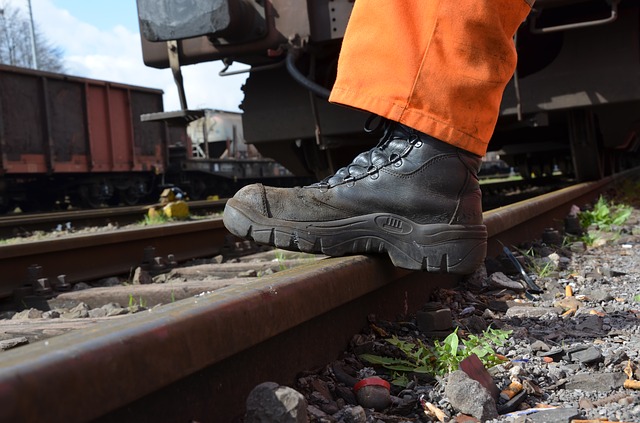
Whether you stand all day, operate heavy machinery or handle chemicals, you need to protect your feet as you work. Several foot safety tips reduce injuries and help you maintain a safe work environment.
When to Wear Safety Footwear
Safety footwear protects your feet against numerous injuries, including punctures, impacts, electrical shock and compression. If you work in any hazardous work environment, you probably need to wear safety footwear as part of your daily uniform. Protective shoes also protect your feet if you suffer from weak ankles or other medical conditions.
Available Types of Safety Footwear
Depending on your job and preferences, you may select safety boots or sneakers. Available in a variety of styles and colors, the best safety shoes include a CSA certification and may include:
Safety-toe – features a special toe covering that protects the foot from dropped objects
Steel insole – stabilizes feet and protects them from joint and bone injuries or problems
Metal instep – provides a barrier against glass, nail and other sharp object punctures
Metatarsal protection – reduces injuries to your upper feet and internal bones
Electric protection – absorbs shock through specially made soles
Heat resistant – resists heat-related injuries
Water resistant – repels water and keeps feet dry
Nonslip – improves traction on various surfaces
Where to Purchase Safety Footwear
Your employer may provide strict guidelines and limitations about exactly which safety shoe you may wear, including where you may purchase this gear. If you can select the safety shoes you wear, check specialty footwear stores or online retailers. Because you want to protect your feet, select only the right shoes for your job and feet. Price should be secondary as you promote safety.
How to Fit Your Safety Footwear
When trying on safety footwear, ensure a proper fit.
- Try on shoes in the afternoon to accommodate swelling that occurs naturally during the day.
- Wear your regular work socks and any special supports.
- Ensure ample toe room since the shoes typically do not stretch with wear.
- Check for snugness around the heel and ankle.
- Walk around a bit to check for comfort.
Care Instructions
Most safety footwear requires ongoing care and maintenance. Before you wear them for the first time, apply a water-resistant coating. Every day, inspect your shoes for damage, including sole cracks, leather breaks or toe cap exposure. Always replace your safety footwear if you notice signs of wear or damage that you cannot repair and after a puncture, impact or other event that may compromise the shoe.
Protect your feet at work when you wear the right safety footwear. Talk to your employer and check OSHA resources as you purchase, maintain and wear shoes that protect your feet every day.
Read more

As a homeowner, one of your top priorities is keeping your property and family safe from intruders. With the advent of smart homes and new technology, home security is easier and more affordable than ever.
The following are some new technologies that can protect you and your loved ones from criminals:
Doorbell cameras — Doorbell cameras are a great way to see who is at the door before you open it. This is especially useful if you have children who are frequently home alone.
Smart door locks — Smart door locks allow you to lock or unlock your doors remotely. This can be helpful if you forget to lock your doors before you leave the house.
Motion sensors — Homeowners can attach motion sensors to doors and windows. Even the slightest movement can trigger these devices and alert you to intruders.
Above all, it’s important to have a strong security system in place. These systems should include Wi-Fi-enabled cameras, smart smoke detectors and an alarm system that notifies the authorities in an emergency.
Read more

The Occupational Safety and Health Administration (OSHA) recently unveiled its top 10 most frequently cited violations. The agency reports the leading causes of workplace injuries during its fiscal year (October through the following September).
The 2017 top 10 list of most frequently cited standards did not change significantly from 2016, with fall protection violations remaining at the top of the list. In fact, the top five most cited violations remained the same.
- Fall Protection (29 CFR 1926.501): 6,072 citations
Falls from ladders and roofs still account for the majority of injuries at work. Identifying fall hazards and deciding how to best protect workers is the first step in eliminating or reducing fall hazards. This includes, but is not limited to, guardrail systems, safety net systems and personal fall protection systems in conjunction with safe work practices and training.
- Hazard Communication (29 CFR 1910.1200): 4,176 citations
In order to ensure chemical safety in the workplace, information must be available about the identities and hazards of all chemicals in use. OSHA standard 1910.1200 governs hazard communication to workers about chemicals that are both produced or imported into the workplace. Both the failure to develop and maintain a proper written training program for employees, as well as the failure to provide a Safety Data Sheet for every hazardous chemical, top the citation list.
- Scaffolding (29 CFR 1926.451): 3,288 citations
According to the Bureau of Labor Statistics, the vast majority of scaffold accidents can be attributed to the planking or support of the scaffold giving way, or to employees slipping or being struck by falling objects. The dangers associated with scaffold use can be controlled if employers strictly enforce OSHA standards.
- Respiratory Protection (29 CFR 1910.134): 3,097 citations
Standard 1910.134 provides employers with guidance in establishing and maintaining a respiratory inspection program for program administration, worksite-specific procedures and respirator use. Respirators protect workers from oxygen-deficient environments, harmful dusts, fogs, smokes, mists, gases, vapors and sprays. These hazards could cause cancer, lung impairment, and other diseases or death.
- Lockout/Tagout (29 CFR 1910.147): 2,877 citations
Lockout/tagout (LOTO) refers to specific practices and procedures that safeguard employees from the unexpected startup of machinery and equipment, or the release of hazardous energy during service and maintenance activities. Workers who service mechanical and electrical equipment face the greatest risk of injury if LOTO is not properly implemented. Workers injured on the job from exposure to hazardous energy lose an average of 24 workdays for recuperation.
- Ladders (29 CFR 1926.1053): 2,241 citations
These types of violations typically occur when ladders are used for purposes other than those designated by the manufacturer, such as when the top step of a stepladder is used as a step, when ladders are not used on stable and level surfaces, or when defective ladders are not withdrawn from service. Most employee injuries can be attributed to inadequate training and a disregard for safe operating procedures.
- Powered Industrial Trucks (29 CFR 1910.178): 2,162 citations
Each year, tens of thousands of injuries related to powered industrial trucks (particularly forklifts) occur. Many employees are injured when lift trucks are driven off of loading docks or when they fall between docks and unsecured trailers. Other common injuries involve employees being struck by lift trucks or falling from elevated pallets and tines. Most incidents also involve property damage, including damage to overhead sprinklers, racking, pipes, walls and machinery.
- Machine Guarding (29 CFR 1910.212): 1,933 citations
When left exposed, moving machine parts have the potential to cause serious workplace injuries, such as amputations, burns, blindness, and crushed fingers or hands. The risk of employee injury is substantially reduced by installing and maintaining the proper machine guarding.
- Fall Protection Training Requirements (29 CFR 1926.503): 1,523 citations
Because falls represent such a serious risk, employers must train employees to identify potential fall hazards and follow procedures in order to minimize the chance of a fall. According to OSHA, employees should be trained to use fall protection methods, such as guardrails, safety nets and personal fall arrest systems, and employers should verify that employees have been trained by preparing written certification records.
- Electrical—Wiring Methods (29 CFR 1910.305): 1,405 citations
Electricity has long been recognized as a serious workplace hazard. OSHA’s electrical standards are designed to protect employees exposed to dangers, such as electric shock, electrocution, fires and explosions. Electrical wiring violations that top the electrical citation list include the failure to install and use electrical equipment according to the manufacturer’s instructions, failure to guard electrical equipment, failure to identify disconnecting means or circuits, and not keeping workspaces clear.
Read more
