As the fires rage in Northern (and Southern) California, a topic like this is worth writing about. Earthquakes are always a threat, but floods, wildfires, hurricanes, and such are more apt to strike in the warmer summer months.
Please be safe and healthy.
There are three very important steps you can take to limit the effect natural disasters have on your life and property and expedite your recovery process.
1. Planning. There are some basics that any natural disaster plan should include:
- Always have several escape routes mapped out. Each family member should know where to meet, who to call for help, and where to call to signal their safety to other family members. Your family safety plan should be posted in a central location and the escape route and emergency contact numbers should be reviewed every six months.
- If possible, store irreplaceable items and documents like birth, marriage, death, and divorce certificates; passports; deeds; social security cards; expensive jewelry; and heirlooms in a safety deposit box during high-risk seasons if you live in an area frequently hit by natural disasters. You may also put video or photo documentation, a listing of serial numbers, appraisals, and receipts for these items in your safety deposit box.
- Scan your photos to your computer. You can store your photos with an online storage service or make a CD to place in your safety deposit box.
- You should have an emergency overnight bag ready to go for every person and pet in your family and always keep a credit card, emergency cash supply, and personal identification with you during high-risk seasons.
As far as disaster-specific planning goes, here are some key points:
Flood planning. Many people live in possible flood areas and don’t realize it. For example, those living in areas that recently had a wildfire and those living downstream from a dam could have problems with flash flooding. Those living in or near a construction area could find their risk of flooding increased due to changes in water flow patterns. You can assess your risk of flooding by contacting your local building authority and your insurance agent. Since basements aren’t usually covered by typical flood insurance policies, those with a basement need a plan on moving their valuables to upper-levels. Do make sure that you have an escape plan, as discussed above, in place for your family.
Hurricane planning. Most people in areas prone to hurricanes are already on high alert during hurricane season, but do keep in mind that hurricanes and the stormy remnants are often unpredictable. The flood planning from above is applicable to hurricane planning. Additionally, you’ll want to have a supply of nails and plywood ready to go so that you can board-up your home before evacuation. Remember, if your local authorities issue an evacuation, then you need to heed it.
Wildfire planning. Wildfires can begin unnoticed and spread rapidly with little forewarning. An effective evacuation plan is vital in many cases. If you do have forewarning, then stay tuned to the emergency broadcasts and follow the evacuation directions from local authorities. Remember to take your emergency evacuation bag with you.
If you’re under a warning, but haven’t been advised to evacuate yet, then you might have time to turn off your gas lines and propane tanks, soak your roof and shrubs with water, move flammable furniture to the center of rooms, and move large valuables to the safest location possible.
Tornado planning. Unlike many other disastrous events, leaving your home during a tornado warning is seldom a wise move. Everyone in your family should know where they should go during a tornado warning. While a basement is ideal, not everyone has one. You can use a central room; preferably one that doesn’t have windows or overhead objects. Be sure your emergency kit and phone numbers are in your designated room.
Earthquake planning. Follow the directions from tornado planning. You might also want to place an emergency kit in your vehicle and at your place of employment. Check to make sure your child’s school is also well-prepared.
2. Prevention
Aside from living in an area not prone to natural disasters, there isn’t much you can do to avoid them. However, unlike most other natural disasters, wildfires can sometimes be prevented. You can personally prevent fires by being careful when using open flames, maintaining your chimney flue, and not throwing cigarettes outdoors. Of course, wildfires can happen regardless of your personal care with fire.
You can help to prevent flames from impacting your home by creating a defensible space. In fact, some insurers are now inspecting properties for defensible space before issuing or renewing policies. Your insurance agent, local agricultural organizations, and federal agencies like the American Red Cross and FEMA are valuable information sources on creating defensible spaces. The damage of flooding can also be limited by planning water diversions and landscaping as protective devices.
3. Insurance
Last, but certainly not least, you should make sure your existing insurance is providing adequate protection. For example, your regular Homeowners policy most likely won’t provide coverage if a boulder falls or rolls into your home since such would be considered an earth movement and need to be covered by Earthquake insurance. Another example would be your regular Homeowners policy not covering damage from a water or sewage system outside your home breaking, or damages from a flash flood, as these would fall under Flood insurance. If you obtain Flood insurance, keep in mind that the coverage won’t become effective for 30 days and your basement usually still won’t be covered.
Read more
 With COVID-19 forcing non-essential workers to work from home, home prices are seeing an upward trend. Recent builders reports are showing a fast upward trend in new construction.
Inventory is dipping, prices are going up and people are looking to upgrade to slightly bigger homes so that they can work from home comfortably.
Most have heard the wise adage about not judging a book by its cover. However, like it or not, first impressions are lasting. For example, a potential buyer pulls up to your home for sale. Their initial judgment is based on if they like what they see on the exterior, or curb appeal. Since most buyers won’t even get to the interior if they don’t like the exterior, first impressions are of the utmost importance concerning real estate.
Updating the exterior of your home is an excellent way to add curb appeal to older, drab, and outdated homes. This is true whether you’re building equity in your home over the long-term, planning to sell, or just looking for a DIY project. The cost, time, and labor associated with curb appeal projects vary greatly. That said, there are multiple weekend warrior projects that will give your home a simple facelift, but not break your back or wallet during the process, such as:
1. Front Door. Replacing a worn, outdated door can add instantaneous curb appeal with just a few hours of work. A decorative door with hand carved elements or glass work can add interest and help set your home apart. A cheaper option is to update your existing door with a bright, fresh, complementary paint color. In most cases, you shouldn’t be afraid of bolder colors that, again, can help set your home apart. You can always consult a color expert or decorator if you’re unsure about how a color will work.
2. Entry Way. Consider staining or painting your concrete walkway, porch, and/or steps at your home’s entry, but be sure that the paint/stain you select at the home improvement store is specifically for concrete. You can rent or buy a power washer to thoroughly clean stone and brick entry ways. You can use paving stones, stepping stones, or brick to make a quick, relatively inexpensive walkway if you don’t already have one.
3. Trim, Shutters, and Molding. Adding a fresh coat of paint to the trim that frames your windows can help give your home character, an eye-catching pop of color, and highlight the size and number of windows. Adding shutters or window boxes can give the home some dimension and depth from the street. You might also consider adding prefabricated molding. It comes in a variety of different styles and easily attaches to the front of the home.
4. Greenery. Adding some attractive greenery is a cheap, quick, and easy way to add curb appeal. It’s okay if you don’t have a green thumb. Plant nurseries carry a variety of low-maintenance, ready-to-plant or ready-to-hang plants that will require little of you. On the other hand, if your yard is looking more like a jungle than a yard, then it’s time to get the yard equipment out. Foliage can be an asset when it’s complimentary, but can easily become a negative when overgrown and obstructive.
5. Welcome Home. Add some welcome home accessories that match the style of your home, such as light fixtures, a porch swing or seating area, door knob, mailbox, and welcome mat.
Read more
Working in high temperatures, humidity, under direct sun, in high indoor radiant heat, or with limited air movement increases your risk for heat stroke and dehydration. 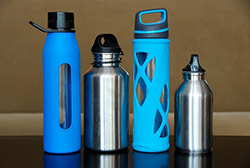 You could then experience fatigue, confusion and difficulty concentrating, a dangerous combination.
1. Pre-hydrate.
Drink several glasses of water in the morning. Start your day hydrated.
2. Drink before you’re thirsty.
If you wait until you feel thirsty to take a drink, you’re already on your way to being dehydrated. Plan to drink one cup of water every 15 minutes so you can stay hydrated all day.
3. Carry extra water.
Pack an insulated water bottle on your tool belt or wear a hydration backpack. You’re more likely to drink enough water when it’s accessible.
4. Choose cool not ice water.
Ice water tastes refreshing, but it causes your stomach to constrict and reduces your fluid absorption rate. Drink cool rather than ice water to improve hydration.
5. Limit caffeine.
Caffeinated beverages like soda, coffee and energy drinks have a diuretic effect that contributes to dehydration. Choose decaffeinated beverages or water instead.
6. Avoid alcohol.
Alcohol acts as a diuretic, which can dehydrate you. Avoid drinking alcohol within 36 hours of your shift to also avoid dehydration.
7. Remember to eat.
Although food won’t replace water, certain foods do contain water. Eating also stimulates your thirst response and prompts you to drink more, so take meal and snack breaks during the day.
8. Drink electrolytes.
When you sweat, you lose beneficial electrolytes. Replenish your body with a carbohydrate-electrolyte drink.
9. Monitor your urine.
Your urine can indicate your hydration level. Aim for pale urine.
10. Work smarter.
Schedule physically demanding tasks for early morning or later in the day when the temperatures are cooler. You can also share duties or rotate demanding jobs with a co-worker, and take frequent breaks.
11. Dress appropriately.
The clothing you wear can help you stay cool and avoid heat stress. Choose lightweight cotton that promotes airflow and avoid synthetic materials that trap heat when possible. A sun hat can also protect you.
12. Get a physical.
Use your health insurance coverage to see your doctor before the summer heats up. Talk about your specific health, job and ways you can stay hydrated and healthy all summer.
On the construction site this summer, you can stay hydrated and avoid heat stress when you drink enough water. Use these tips to protect yourself as you work.
Read more
 Whether you are outdoors — on the job or at play this summer — or working indoors in a hot environment, you need to know how to cope with hot and humid conditions that can pose serious dangers to yourhealth that the heat brings.
The human “cooling system” uses perspiration and blood vessels to regulate body temperature. However, when someone is working hard in the heat, especially when it’s also humid, this system can break down, raising the person’s temperature and heart rate. Although people who are past middle age or have health problems are especially vulnerable, the young and healthy can also suffer from heat-related conditions.
Overheating also affects the brain. A temperature hike as little as 2 degrees can impair mental functioning, which makes heat an underlying cause of job accidents, as diminished ability can lead workers to overlook hazards and make mistakes.
In order of seriousness, heat hazards — and their remedies — include:
- Heat rash — Can be irritating: Take a shower and use a little talcum powder.
- Heat stress — Symptoms include thirst, vision problems and/or feeling woozy or tired: Drink a cool, non-alcoholic beverage in a shady place.
- Heat cramp — Involves pain from twitching muscles caused by losing salt from perspiration: Get into the shade and take cool fluids.
- Heat exhaustion — Look for heavy perspiration, fatigue, queasy stomach, and chilly, clammy skin: Put the person in the shade, with their feet slightly elevated, provide a cooling beverage (unless the victim is nauseated), and be prepared to seek medical assistance.
- Heatstroke — Can be a fatal condition, characterized by a lack of sweating, a temperature elevated by up to five degrees, hot skin, mental confusion, and loss of coordination: Call paramedics immediately — and then get the victim to a shaded spot and keep him or her cooling down with cold water sponges or ice packs until help arrives.
To help keep your workers protected from the heat, we’d recommend that you advise them to: (1) Wear sunglasses for protection against exposure to UV rays; (2) Apply sunscreen with an SPF of 30 or more to minimize the risk of cancer or sunburn: (3) Keep hydrated with plenty of cool — not cold — water and beverages free of alcohol or caffeine; (4) Minimize exposure to the sun by going indoors or staying in the shade during the heat of the day; and (5) Eat light meals with small servings of fruits and vegetables (which are rich in fluids).
For valuable information on dealing with heat-related issues, check out the National Oceanic and Atmospheric Administration (NOAA) web page, Heat: A Major Killer.
Read more
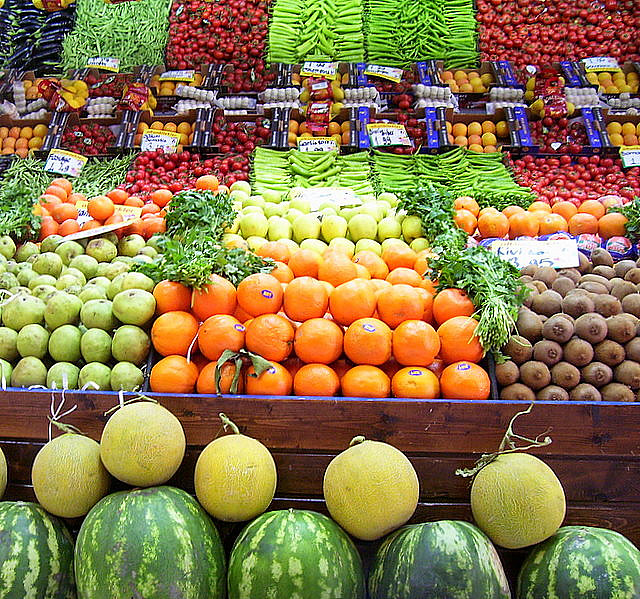 You already cook meat on the grill. Why not add fruits and veggies? They help you boost your summer nutrition and taste delicious.
Choose Fresh Produce
Whether you decide to grill pineapple, watermelon, corn or asparagus, make sure it’s fresh. Ideally, the produce you grill should be firm and picked within the past three days.
Brush on the Oil
You’ll want to stock quality canola, olive or coconut oil in your pantry before you grill produce. It adds extra flavor to your grilled produce and a light coating works together with foil packets or a non-stick grate to ensure the fruits and veggies don’t stick to the grill.
Mix a Few Marinades
In addition to the oil, prepare a few marinades. Olive oil infused with herbs, raspberries, mint or other flavorings, honey and low-fat or Greek yogurt enhance the taste of your grilled produce.
Leave the Skin On
The skin of many fruits and veggies contains healthy nutrients. So, leave veggie skins on when you grill them and maximize the nutrient content of the grilled veggies you eat. Most fruits, however, grill better without the skin.
Pre-Cook Some Veggies
Certain veggies cook more evenly on the grill when you pre-cook them in the kitchen. To prep asparagus, beets, broccoli, parsnips, potatoes, squash and carrots for grilling, steam or blanch them until they’re al dente. Alternatively, tomatoes, sweet potatoes, peppers, mushrooms, onions and eggplant will cook evenly when you grill them raw.
Use the Right Temperature
When you cook fruits and veggies over moderately hot coals, the outside could cook faster than the inside. You’ll want to rotate the produce between direct and indirect heat so that each piece cooks evenly and completely.
Whether you cook for one or 100, prepare fruits and veggies on the grill and enjoy a summer nutrition boost. They help you stay healthy, and you’ll feel good knowing that you’re helping your family and friends stay healthy, too.
Read more
 Americans are taking to the outdoors in record numbers this summer, mostly because of COVID-19 indoor restrictions and the cancellation of organized sports.
So, this summer you and/or your family and friends may be hauling a trailer. It secures your ATV, boat, a second car, camper, horses or camping gear. Before you hit the road, make sure your trailer is properly insured.
Why do you Need Trailer Insurance?
Many states accept your auto insurance coverage when you haul a trailer behind your insured vehicle. Your homeowners or renters insurance policy may cover the items you haul. However, this coverage is typically only for liability. Plus, you face several risks when you haul your trailer on the road.
- If you’re not used to hauling a trailer, your risk of causing an accident increases.
- You may turn too sharply and damage someone’s property.
- You could hit a slippery stretch of highway that causes your trailer to slide into another vehicle and damage it or push it off the road.
- While unloading or loading your trailer, you could damage it or the item you’re hauling.
These and other accidents are possible. Trailer insurance adds valuable protection that gives you peace of mind as you travel.
What Type of Coverage is Available?
The type and amount of trailer insurance you need depends on your trailer’s type and size and on the value of the items you will haul. Typical trailer insurance provides several valuable coverages.
- Liability – Cover the costs associated with bodily injuries or property damages your trailer causes to other people or their property and belongings.
- Comprehensive – Repair your trailer if it is damaged from theft, vandalism, fire or weather.
- Collision – Repair your trailer if it is damaged during a traffic collision.
- Contents Coverage – Pay to replace damaged items that are stored on or hauled in your trailer.
How do you Purchase Trailer Insurance?
Talk to your auto insurance agent about trailer insurance. He or she will review your auto insurance policy’s current types of coverage and limits to ensure it’s adequate for your trailer. Your agent will also review your homeowners or renters insurance policy and ensure it covers the items you are hauling.
If your current policies are not adequate to cover your trailer and its contents, increase your coverage types or limits or purchase a separate policy. You may need to shop around for trailer insurance if your current agent does not carry it.
With trailer insurance, you can travel this summer with confidence. If your trailer causes property damage or bodily injury or if the items you haul are damaged, you can pay for the liability or repairs. Talk to your agent before your next trip to make sure you’re properly covered.
Read more
