 Spring is a popular time for adding to your home in the form of remodeling or putting up an addition. If you are like many people, you hire someone to complete the job for you. For most people, it is easier and faster to interview and hire a contractor to do the work instead of trying to muddle through it yourself.
Peace of Mind With the Professionals
One of the reasons for hiring a contractor to build that much-needed addition to your home or to remodel your outdated kitchen is to ensure that the job is done right the first time. Unless your career requires you to know the latest building codes, it is unrealistic to expect that you do so. Instead you rely on your contractor to know — as well as follow — the safety regulations put forth by your particular locality.
The Responsibility is Yours
Even though the contractor you hired is doing all the work, it is ultimately your responsibility for what occurs with your home. This is not to say that you are in this alone. Rather it is to caution you to be aware of the risks you face if your contractor does not follow the applicable codes when doing the work you authorized. This is one reason to use only those contractors who are licensed, bonded and insured.
Protect Yourself
One way to protect yourself is to check for the necessity of permits before allowing the contractor to start working. Request to see the permits if the contractor obtains them for you. Speak with your insurance agent to determine if additional coverage for the work is needed as well.
Read more
 Whether you are a collector of fine art or you have a garage full of vintage cars that are the envy of the neighborhood, you likely added them to your homeowners insurance when you purchased them and thought your job was done. After all, in the event of a catastrophic event — fire, flood, burglary — you thought your items were fully covered. It is worth delving more deeply into this subject, though, because you might be surprised to learn that your current insurance policy is not providing you with the coverage you thought it was.
Riders for Special Items
When you insure items that are extraordinary, your regular insurance simply might not provide enough coverage. Its limits could be far less than what the item is worth. Instead, ask your insurance agent about a specialty rider that is geared only toward that specific item or collection of items. Depending on the details, such a rider could cost you a few hundred dollars more for your insurance. The peace of mind you gain by adding such a rider is well worth the extra cost.
Reappraise Extraordinary Items
Before your fine art or jewelry was insured, you had it appraised to determine its value. Reappraising items such as this at least every two years helps keep your insurance on pace with their value. Most high level possessions continue to climb in value which means they could easily outstrip their levels of insurance coverage if you do not keep tabs on it. Regular appraisals will help ensure that inflation and valuation are kept to current levels in the event of a loss.
Read more
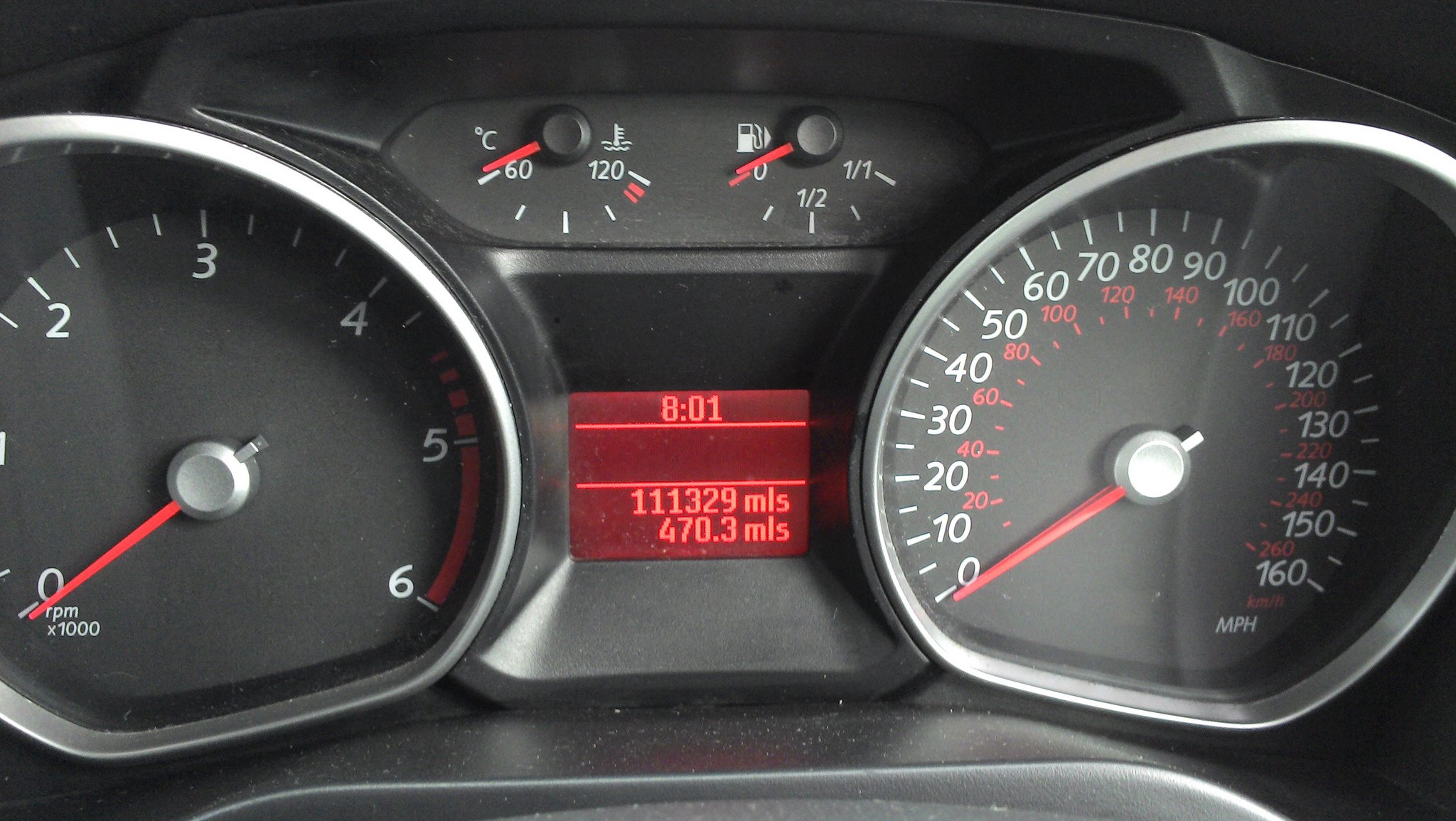 Most people are always on the lookout for ways to save money. You might think that items that are mandatory, such as auto insurance, do not offer you many options to do so. However, you could be overlooking a quick and easy way of saving money each year on your insurance premiums simply by not accurately reporting your annual mileage.
Low Mileage = Discount
Insurance companies look at the risk you bring to the table when they determine the rate you pay. The lower your risk, the lower your premiums. If you drive fewer miles than their benchmark figure, you will likely get a discount. While the actual mileage varies with each insurance provider, most use a figure between 7,500 and 15,000 miles annually.
Annual Mileage Reporting
There are a few life circumstances that make it more likely that you are driving under the cap of annual miles set by your insurance company. Adding a second car that is only used for errands is one such example. Retirees who no longer commute to work each day could be eligible for a discount. If you work at home, your annual mileage figures could be reduced enough to allow your annual mileage to fall under the cap. Seniors that do not drive often are another segment of the population that could qualify.
Taking Advantage of the Discount
Depending on your insurance company, you could receive a survey in the mail about your driving habits. Filling this out and returning it to your insurance company gives them the tools they need to they can determine if you are eligible for the discount. Alternatively, you could also contact your insurance company and ask them if you qualify for the low-mileage discount.
Read more
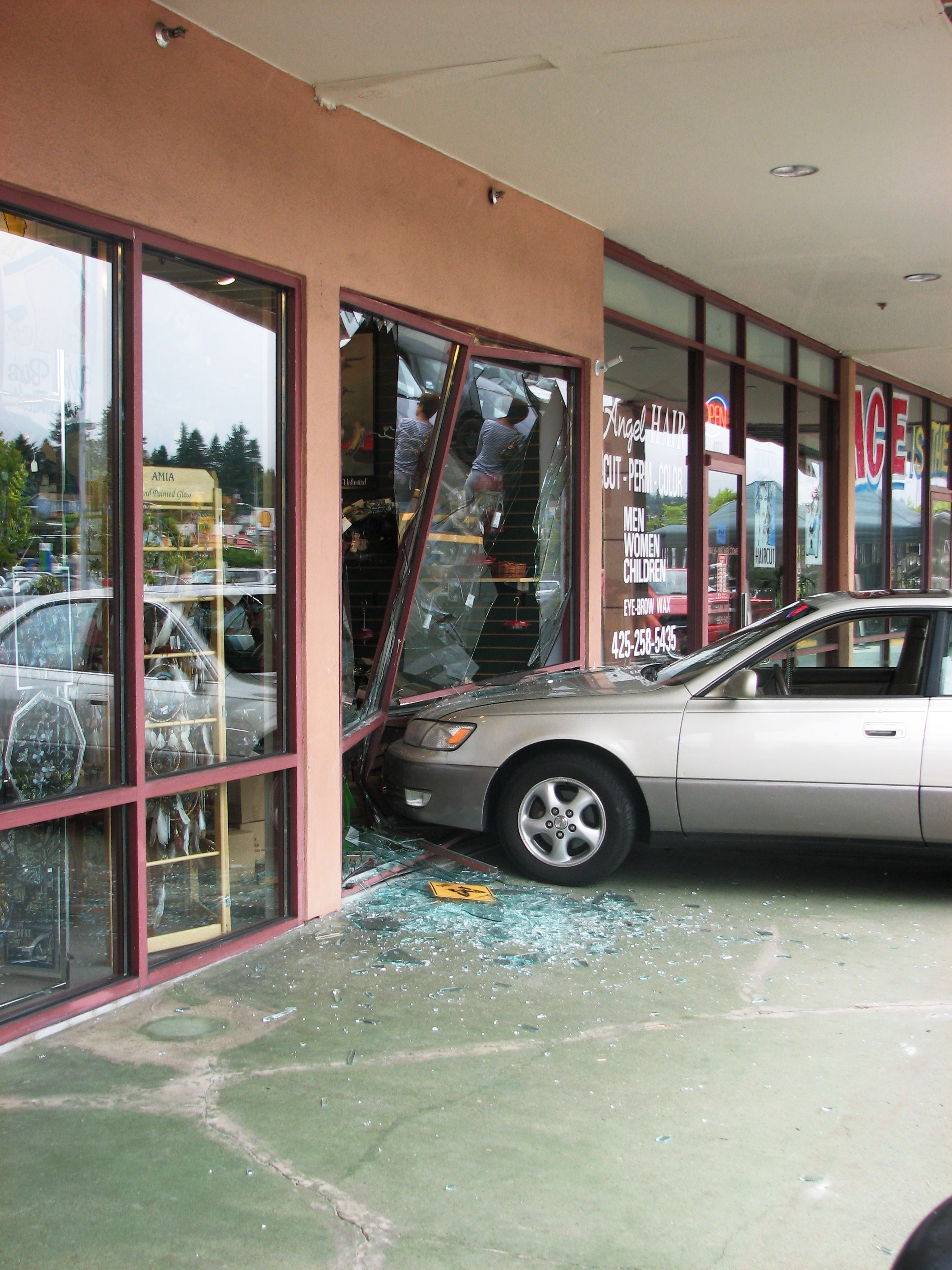 Most states demand that businesses, regardless of size, take every reasonable action to keep their premises safe for employees and visitors. The definition of visitors is fairly loose. Basically, it is anyone not employed by the business and covered by its workmen’s compensation insurance policy.
This means that clients, customers, delivery persons, repair persons, outside maintenance contractors and anyone who comes to the business premises needs protection from foreseeable dangers.
There are different types of people who come into a business and each has a different level of required care for its class of visitors.
Invitee
This is a person whose invitation is explicit (by appointment, for example) or implicit (a customer looks at the goods and services for sale in a shop). A business owner’s duty to an invitee is to exercise ordinary care and make the property generally safe without any dangerous conditions.
Licensee
A licensee in not an invitee or trespasser. An example of a licensee is a party who enters the premises for their own convenience or gratification. Think of a person ducking into your entryway to avoid the rain. The duty of care is far less than for an invitee, and the business is only liable to a licensee for willful and malicious harm.
Trespasser
This group of people enter the premises lacking an implicit or explicit invitation. They come on the business property for their own enjoyment or benefit. The only duty of a business owner is a negative one – the business cannot build any mantraps the willfully and maliciously causes a trespasser harm. Many states have an exception to this limited responsibility; if the business anticipates, suspects or knows of the presence of a trespasser it must exercise ordinary care and avoid inflicting injury on a trespasser through any kind of active negligence.
Common Workplace Visitor’s Injuries
Slip and Fall Accidents
These are the largest cause of visitor injuries. Injuries happen when a visitor trips, slips or falls and suffer injuries. These accidents often stem from things such as uneven floorboards, electrical extension cords crossing aisles or doorways, spills or liquids on the floor, and poorly installed carpet or carpeting that has tears or rips.
Negligent Security
It is normal that businesses have a duty to their invitees to make sure they are safe from foreseeable. A business is liable for the criminal acts of a non-employee when the business fails to keep the premises safe from criminal activity. Usually claims of negligent security stem from places such as:
- Hotels
- Motels
- Parking garages
- Apartment complexes
Businesses in high-crime areas (a parking garage in such an area needs adequate lighting, video cameras and warning signs that video surveillance is ongoing, and other security measure as needed.
Attractive Nuisance
This is a legal doctrine that applied mostly to children, even if they are trespassers. Hotels with outdoor pools need adequate fencing, a pool cover, locks and lighting, as the pool is attractive for kids to try to use after trespassing.
Defective Property Conditions
Businesses are often liable for dangerous or defective conditions. These include faulty elevators, faulty escalators, crumbling stairways and more.
Speak with your business insurance advisor about these risks and how to protect yourself, your business and employees from legal liability for them.
Read more
Roughly two million burglaries occur each year. Protect your home and family when you implement five landscaping tricks that don’t compromise your home’s exterior appearance or value.
1. Place Hostile Plants by Entryways
Burglars typically target easily accessible windows and doors. By placing hostile plants loaded with thorns, briars and brambles near these entryways, you discourage potential burglars. Several hostile plants to consider include roses, holly, raspberries, bird’s nest spruces, needle bushes and Spanish bayonet.
2. Trim Shrubbery Near the House
Overgrown shrubs, bushes and flowering plants look untidy, and they give burglars plenty of places to hide. They also prevent neighbors and anyone on the street from seeing suspicious behavior near your home. Protect your home when you keep shrubbery trimmed to lower than three feet tall all along the exterior of your home. Remember to trim plants away from the sides of your home too.
3. Use Noisy Ground Cover
Burglars try to be as quiet as possible, but noisy ground cover around your windows and doors alerts you to their every move. Pea gravel or other crunching stones do the trick, and you can find these burglar deterrents in colors that match your existing landscaping.
4. Install Short Privacy Fencing
Tall fences and tree barriers increase privacy, but they also obscure burglars. Install short fencing with an open design instead. If you already planted trees or shrubs, trim them so that the canopy starts at eight feet or higher off the ground.
5. Turn on the Lights
Most outdoor landscaping includes lighting of some sort. Opt for strategically placed motion-activated lighting as you reduce your chances of being burglarized. Place these lights near all your doors and windows and along pathways. They frighten burglars away and warn you when someone walks near your home.
Your home’s landscaping adds beauty and value to your property. It also deters burglars. Talk to your insurance agent today and discuss additional landscaping tricks that deter burglars and protect your home.
Read more
 Ringing in the new year often means that it is a great time to take an inventory of your business. Far beyond simply an inventory of any supplies that you might possess though, a thorough inventory of your business practices could bring to light some weak spots that could stand to be shored up. Periodic examinations such as these can help make your business both stronger and more successful.
As April 15th, Tax Day, quickly approaches, many businesses spend a great deal more time scrutinizing their financial records. While this is a job that can certainly be overseen by you, for the most objective view of your financial situation, enlist in the help of an outside agency. The company that you entrust with completing your taxes each year can be a good resource for this type of review.
The business insurance policy you have in place is a crucial element of its success. Not only does it protect you in the event that something unexpected happens, it also ensures that your employees are treated well, giving your company the reputation of being a great place to work. Each year, though, it is a good idea to make an appointment with your insurance carrier.
At this appointment, you and the representative from your insurance company can go over your business insurance policy to ensure that it is still providing the type of coverage that meets the needs of your business. New regulations regarding the insurance industry as well as laws that could potentially affect you are often implemented at the beginning of the year. Working with your insurance agent to customize a policy to meet the growing needs of your business will help get the year off to a good start and ensure your continued success.
Read more
