 You know you should probably get disability insurance at some point. After all, you never know when an accident or illness will make it difficult for you to work. With both short and long term policies available, however, the choices can be confusing. Knowing the differences between these polices will help you sort out which one is better for you.
The Long and Short of It
Short term disability is insurance that kicks in once you have exhausted the sick days available from your employer. Though policies vary, short term disability typically last about six months. While you might see payments that are nearly the same as your usual salary early on, they are often reduced to a percentage of that amount within a few weeks.
Long term disability is designed for those catastrophic events that have the potential to mark the end of your paycheck-earning days. In many cases, long term disability begins when short term policies end. While some plans last only five to ten years, a more viable long term disability insurance policy lasts at least until you are 65 years of age.
You Need Both for Complete Coverage
Given the overview outlined above, it is easy to see the place for both types of insurance in your life. Short term disability insurance is the ideal way to ensure coverage if you come down with pneumonia that sends you out of work for two weeks when you have already used up nearly all your sick days. Long term disability insurance is vital if that bout of pneumonia turns out to be a more serious illness that requires extensive care that could result in you being out of work on a permanent basis.
Protect your assets and your family by ensuring that you have the necessary insurance coverage should you find yourself unable to work.
Read more
 The moment has finally arrived — you’ve done all the research, test driven your favorites and decided on the brand new car you want to buy. You simply need to make a down payment, call your insurance company and drive that baby home. Since you have full coverage on your brand new wheels, you’re all set in case the unthinkable happens, right? Not so fast!
Insurance and Your Vehicle
It’s a well-known fact that the minute you drive your vehicle off the car lot, it starts depreciating. This is because your brand new car is now considered to be used and its value declines sharply. In fact, the average car loses about 30 percent of its value in the first year alone. This is important to know because without gap insurance, your insurance coverage may pay only for its current value, not what it would cost you to replace it.
Gap Insurance Explained
Gap insurance is designed to cover the shortfall that often exists between the amount your insurance company is willing to pay for your vehicle and what it would cost you to replace it. While you might think this amount is nominal, it could add up to being several thousand dollars. This could make it difficult for you to enjoy a comparable vehicle.
Do You Need Gap Insurance?
There are certain situations when you should consider gap insurance — if you put less than 20 percent down, if your car loan is for five or more years, if you put more than 15,000 miles on your vehicle each year, if you combined negative equity from another vehicle into your current loan or if you lease your vehicle. If you own your vehicle outright or if you have a great deal of equity in it, you probably don’t need gap insurance.
Read more
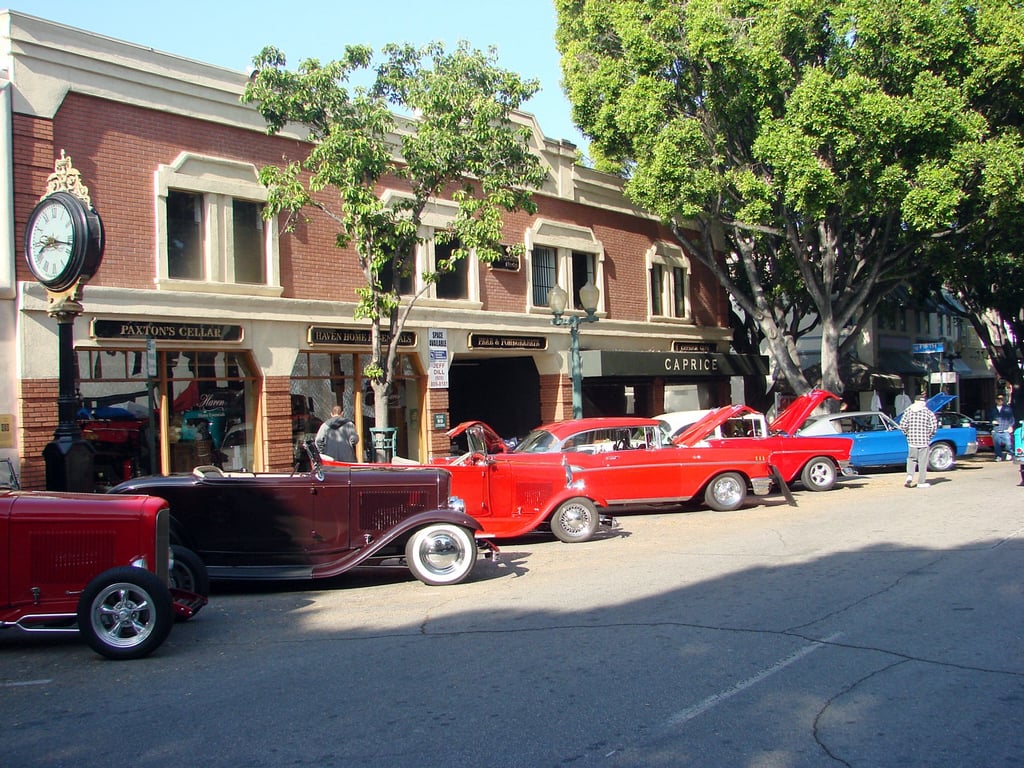 Whether you are a collector of fine art or you have a garage full of vintage cars that are the envy of the neighborhood, you likely added them to your homeowners insurance when you purchased them and thought your job was done. After all, in the event of a catastrophic event — fire, flood, burglary — you thought your items were fully covered. It is worth delving more deeply into this subject, though, because you might be surprised to learn that your current insurance policy is not providing you with the coverage you thought it was.
Riders for Special Items
When you insure items that are extraordinary, your regular insurance simply might not provide enough coverage. Its limits could be far less than what the item is worth. Instead, ask your insurance agent about a specialty rider that is geared only toward that specific item or collection of items. Depending on the details, such a rider could cost you a few hundred dollars more for your insurance. The peace of mind you gain by adding such a rider is well worth the extra cost.
Reappraise Extraordinary Items
Before your fine art or jewelry was insured, you had it appraised to determine its value. Reappraising items such as this at least every two years helps keep your insurance on pace with their value. Most high level possessions continue to climb in value which means they could easily outstrip their levels of insurance coverage if you do not keep tabs on it. Regular appraisals will help ensure that inflation and valuation are kept to current levels in the event of a loss.
Read more
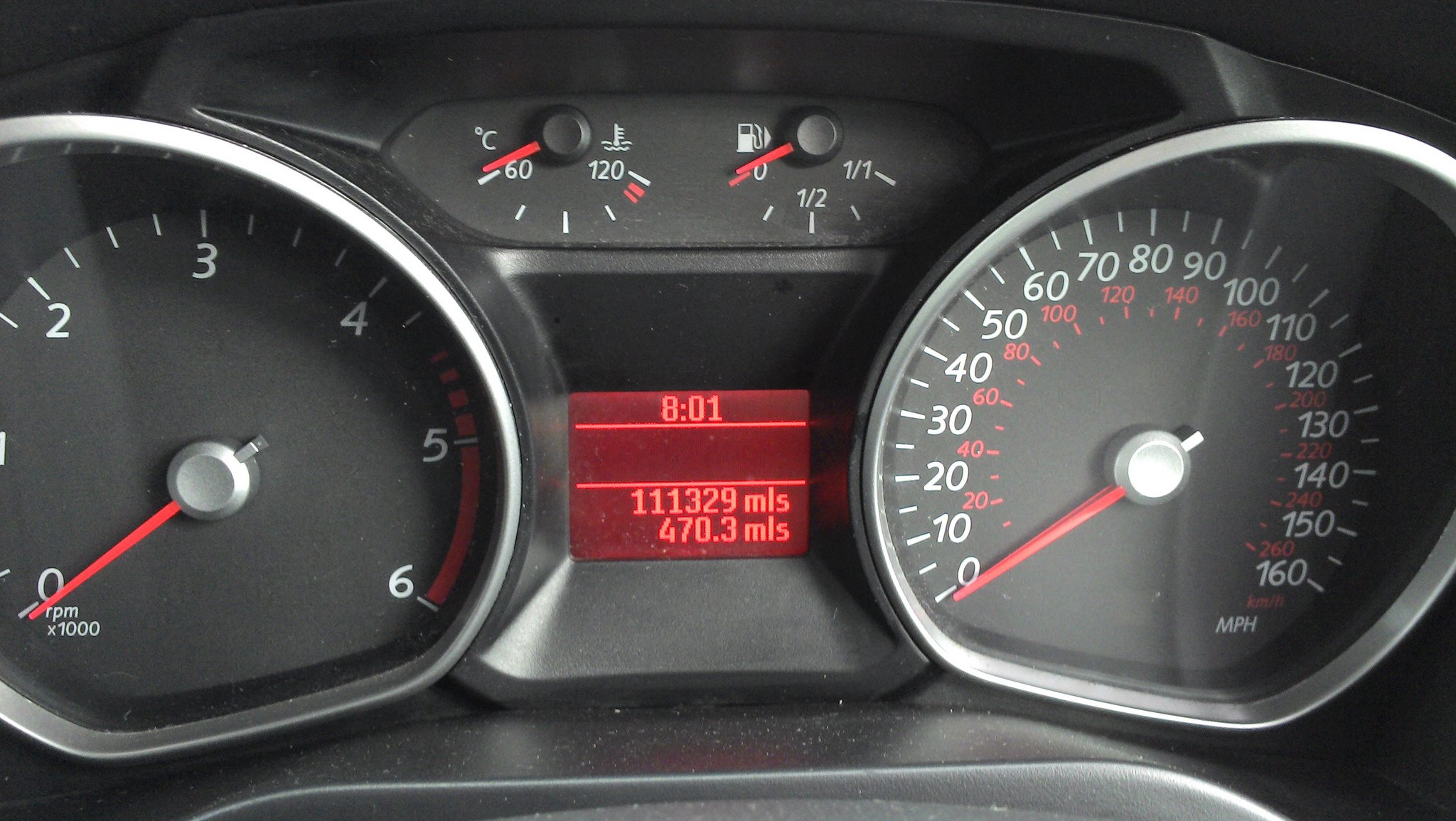 Most people are always on the lookout for ways to save money. You might think that items that are mandatory, such as auto insurance, do not offer you many options to do so. However, you could be overlooking a quick and easy way of saving money each year on your insurance premiums simply by not accurately reporting your annual mileage.
Low Mileage = Discount
Insurance companies look at the risk you bring to the table when they determine the rate you pay. The lower your risk, the lower your premiums. If you drive fewer miles than their benchmark figure, you will likely get a discount. While the actual mileage varies with each insurance provider, most use a figure between 7,500 and 15,000 miles annually.
Annual Mileage Reporting
There are a few life circumstances that make it more likely that you are driving under the cap of annual miles set by your insurance company. Adding a second car that is only used for errands is one such example. Retirees who no longer commute to work each day could be eligible for a discount. If you work at home, your annual mileage figures could be reduced enough to allow your annual mileage to fall under the cap. Seniors that do not drive often are another segment of the population that could qualify.
Taking Advantage of the Discount
Depending on your insurance company, you could receive a survey in the mail about your driving habits. Filling this out and returning it to your insurance company gives them the tools they need to they can determine if you are eligible for the discount. Alternatively, you could also contact your insurance company and ask them if you qualify for the low-mileage discount.
Read more
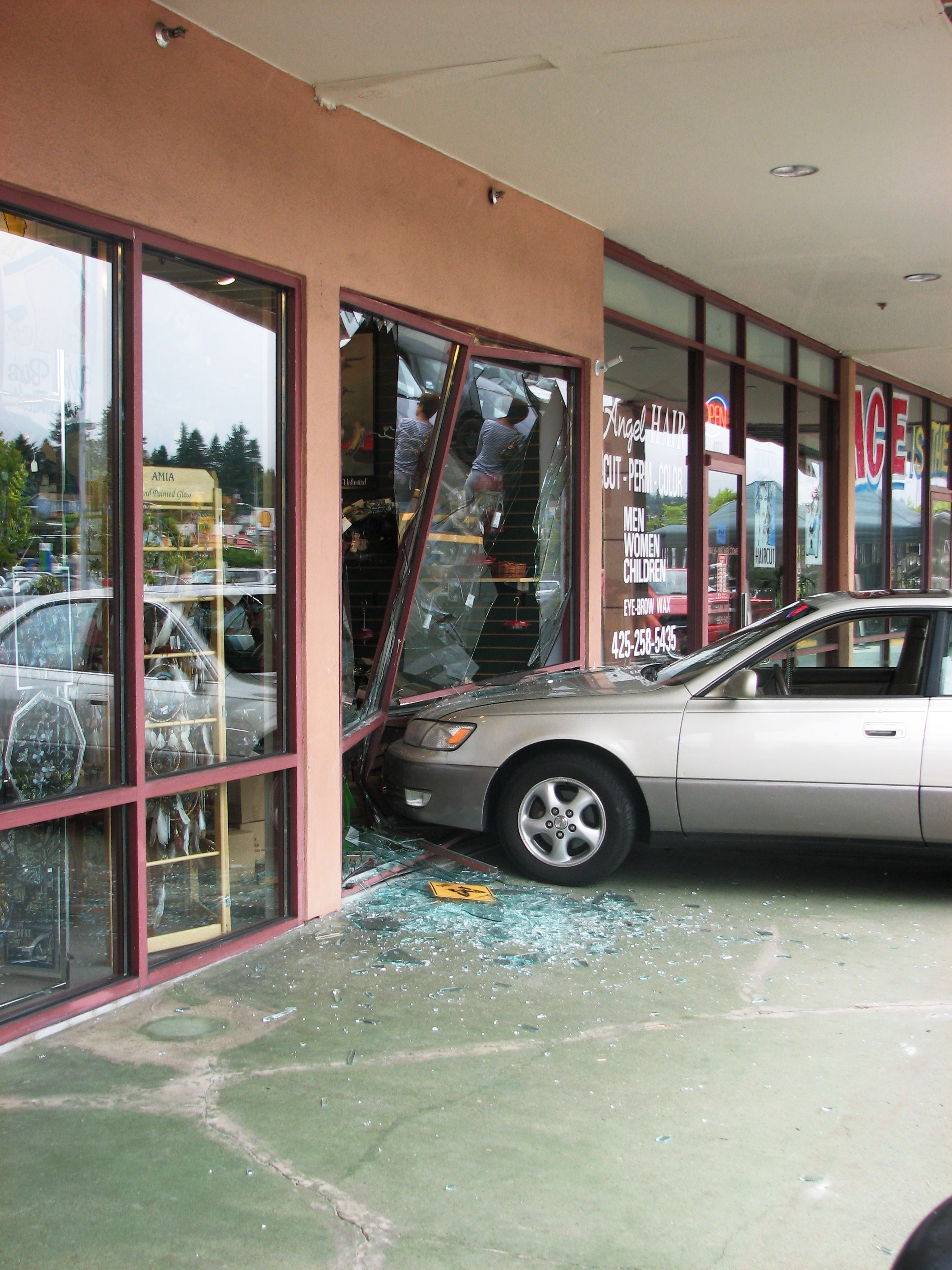 Most states demand that businesses, regardless of size, take every reasonable action to keep their premises safe for employees and visitors. The definition of visitors is fairly loose. Basically, it is anyone not employed by the business and covered by its workmen’s compensation insurance policy.
This means that clients, customers, delivery persons, repair persons, outside maintenance contractors and anyone who comes to the business premises needs protection from foreseeable dangers.
There are different types of people who come into a business and each has a different level of required care for its class of visitors.
Invitee
This is a person whose invitation is explicit (by appointment, for example) or implicit (a customer looks at the goods and services for sale in a shop). A business owner’s duty to an invitee is to exercise ordinary care and make the property generally safe without any dangerous conditions.
Licensee
A licensee in not an invitee or trespasser. An example of a licensee is a party who enters the premises for their own convenience or gratification. Think of a person ducking into your entryway to avoid the rain. The duty of care is far less than for an invitee, and the business is only liable to a licensee for willful and malicious harm.
Trespasser
This group of people enter the premises lacking an implicit or explicit invitation. They come on the business property for their own enjoyment or benefit. The only duty of a business owner is a negative one – the business cannot build any mantraps the willfully and maliciously causes a trespasser harm. Many states have an exception to this limited responsibility; if the business anticipates, suspects or knows of the presence of a trespasser it must exercise ordinary care and avoid inflicting injury on a trespasser through any kind of active negligence.
Common Workplace Visitor’s Injuries
Slip and Fall Accidents
These are the largest cause of visitor injuries. Injuries happen when a visitor trips, slips or falls and suffer injuries. These accidents often stem from things such as uneven floorboards, electrical extension cords crossing aisles or doorways, spills or liquids on the floor, and poorly installed carpet or carpeting that has tears or rips.
Negligent Security
It is normal that businesses have a duty to their invitees to make sure they are safe from foreseeable. A business is liable for the criminal acts of a non-employee when the business fails to keep the premises safe from criminal activity. Usually claims of negligent security stem from places such as:
- Hotels
- Motels
- Parking garages
- Apartment complexes
Businesses in high-crime areas (a parking garage in such an area needs adequate lighting, video cameras and warning signs that video surveillance is ongoing, and other security measure as needed.
Attractive Nuisance
This is a legal doctrine that applied mostly to children, even if they are trespassers. Hotels with outdoor pools need adequate fencing, a pool cover, locks and lighting, as the pool is attractive for kids to try to use after trespassing.
Defective Property Conditions
Businesses are often liable for dangerous or defective conditions. These include faulty elevators, faulty escalators, crumbling stairways and more.
Speak with your business insurance advisor about these risks and how to protect yourself, your business and employees from legal liability for them.
Read more
 Some type of health exam is a requirement before you can take out many life insurance policies. The result of this exam can have a significant impact on your rates, and even on whether you qualify for a particular policy at all. Following these simple tips can help ensure that your health exam goes smoothly.
# 1: Eat a Healthy Diet
As soon as you know you are going to be taking the exam, start doing your best to eat a healthy diet. Many people feel that if their diet has been less than perfect in the past, there is no point in improving it before a health exam — but nothing could be further from the truth! In particular, try to minimize or eliminate your intake of fried, salty or sugary foods, as well as sodas and alcoholic beverages. Instead, eat a balanced, nutritious diet containing plenty of fresh fruits and vegetables, complex carbs and lean proteins.
# 2: Stop Smoking
Never smoking at all, or at least stopping permanently, is of course the best course of action for your long-term health. However, if you do smoke, you can improve your exam results simply by not smoking for at least 24 hours prior to the exam; this will help improve your blood work, blood pressure and heart rate.
# 3: Cut Back on Physical Exertion
Normally, of course, physical exercise is very good for your health. However, for two to three days before the exam, avoid hard physical work and exercise. Such exertion can elevate the protein in your urine and be erroneously flagged as a kidney issue.
# 4: Rest
Go to bed early the night before your exam. Fatigue can negatively impact certain components in your blood, giving the appearance of a chronic health problem you do not actually have.
# 5: Avoid Caffeinated Beverages and Stimulants
Finally, avoid caffeine as much as possible during the days leading up to the exam. Caffeine can elevate your heart rate and blood pressure, negatively impacting the results of your exam.
Read more
