Roughly two million burglaries occur each year. Protect your home and family when you implement five landscaping tricks that don’t compromise your home’s exterior appearance or value.
1. Place Hostile Plants by Entryways
Burglars typically target easily accessible windows and doors. By placing hostile plants loaded with thorns, briars and brambles near these entryways, you discourage potential burglars. Several hostile plants to consider include roses, holly, raspberries, bird’s nest spruces, needle bushes and Spanish bayonet.
2. Trim Shrubbery Near the House
Overgrown shrubs, bushes and flowering plants look untidy, and they give burglars plenty of places to hide. They also prevent neighbors and anyone on the street from seeing suspicious behavior near your home. Protect your home when you keep shrubbery trimmed to lower than three feet tall all along the exterior of your home. Remember to trim plants away from the sides of your home too.
3. Use Noisy Ground Cover
Burglars try to be as quiet as possible, but noisy ground cover around your windows and doors alerts you to their every move. Pea gravel or other crunching stones do the trick, and you can find these burglar deterrents in colors that match your existing landscaping.
4. Install Short Privacy Fencing
Tall fences and tree barriers increase privacy, but they also obscure burglars. Install short fencing with an open design instead. If you already planted trees or shrubs, trim them so that the canopy starts at eight feet or higher off the ground.
5. Turn on the Lights
Most outdoor landscaping includes lighting of some sort. Opt for strategically placed motion-activated lighting as you reduce your chances of being burglarized. Place these lights near all your doors and windows and along pathways. They frighten burglars away and warn you when someone walks near your home.
Your home’s landscaping adds beauty and value to your property. It also deters burglars. Talk to your insurance agent today and discuss additional landscaping tricks that deter burglars and protect your home.
Read more
According to the Social Security Administration, one in four 20-year-old employees will become disabled by their sixty-seventh birthday. What would you do if an injury or illness prevented you from working? Unless you have accumulated adequate savings, you may have trouble paying your daily living costs. Protect your right to earn a living and receive peace of mind with disability insurance.
What is Short-Term Disability Insurance?
While this type of policy won’t cover the full amount of your regular wages, it will pay 60 to 70 percent, which is better than nothing. Your policy will outline the wait period, which could be as long as two weeks or as short as one day. Under short-term disability, you’ll receive replacement wages for up to six months.
What is Long-Term Disability Insurance?
Designed for extended or permanent times of illness or disability, long-term disability insurance begins after short-term disability ends. You might be able to extend your policy benefits annually, depending on the policy.
You Can’t Rely on Social Security
You may put off purchasing disability insurance because you think you will automatically qualify for social security benefits when an injury or illness prevents you from working . That’s not true. Your claim could be one of the 50 percent that are denied. If you are approved, benefits won’t start for at least six months and may be a faction of the income you need.
Your Pension may not be Enough
A pension from the government or a private company may provide disability benefits. They typically are reduced, though, based on the permanence of your disability and other benefits you may receive.
You can’t predict when a devastating illness or injury will happen. However, it could jeopardize your ability to work. Talk to your insurance agent to determine which disability insurance fits with your overall financial plan as you obtain financial peace of mind.
Read more
 Ringing in the new year often means that it is a great time to take an inventory of your business. Far beyond simply an inventory of any supplies that you might possess though, a thorough inventory of your business practices could bring to light some weak spots that could stand to be shored up. Periodic examinations such as these can help make your business both stronger and more successful.
As April 15th, Tax Day, quickly approaches, many businesses spend a great deal more time scrutinizing their financial records. While this is a job that can certainly be overseen by you, for the most objective view of your financial situation, enlist in the help of an outside agency. The company that you entrust with completing your taxes each year can be a good resource for this type of review.
The business insurance policy you have in place is a crucial element of its success. Not only does it protect you in the event that something unexpected happens, it also ensures that your employees are treated well, giving your company the reputation of being a great place to work. Each year, though, it is a good idea to make an appointment with your insurance carrier.
At this appointment, you and the representative from your insurance company can go over your business insurance policy to ensure that it is still providing the type of coverage that meets the needs of your business. New regulations regarding the insurance industry as well as laws that could potentially affect you are often implemented at the beginning of the year. Working with your insurance agent to customize a policy to meet the growing needs of your business will help get the year off to a good start and ensure your continued success.
Read more
 Business insurance is a necessary step in ensuring that your company is compliant with any applicable laws. While many of those laws are designed to protect the public, your insurance is also designed to protect your business — and by extension — yourself as well. After all, if you are like most business owners, you put a great deal of yourself as well as your own financial backing into ensuring that your business is a success.
While no one likes to think about it, the fact is that catastrophic events sometimes befall businesses. Indeed, many types of insurance are designed to minimize the effects of these types of events on the business to help ensure that it can emerge from it relatively unscathed. One such type of insurance is involves including a discretionary payroll expense endorsement on the policy.
As you look toward the new year, now is the time to decide if an endorsement for discretionary payroll expense is a good move for your business. While you are probably like most businesses and you want to make sure that your employees are paid first, there are some times when this is does not make good business sense. It is for times such as these that this type of endorsement was designed.
If your business income is interrupted — either due to a crisis or another reason — a discretionary payroll expense endorsement allows you to pay those employees that are deemed necessary. Similarly, you can specify which classes of employees should not be paid under a particular set of circumstances. Doing so can help you protect your bottom line as your business begins to recover.
Read more
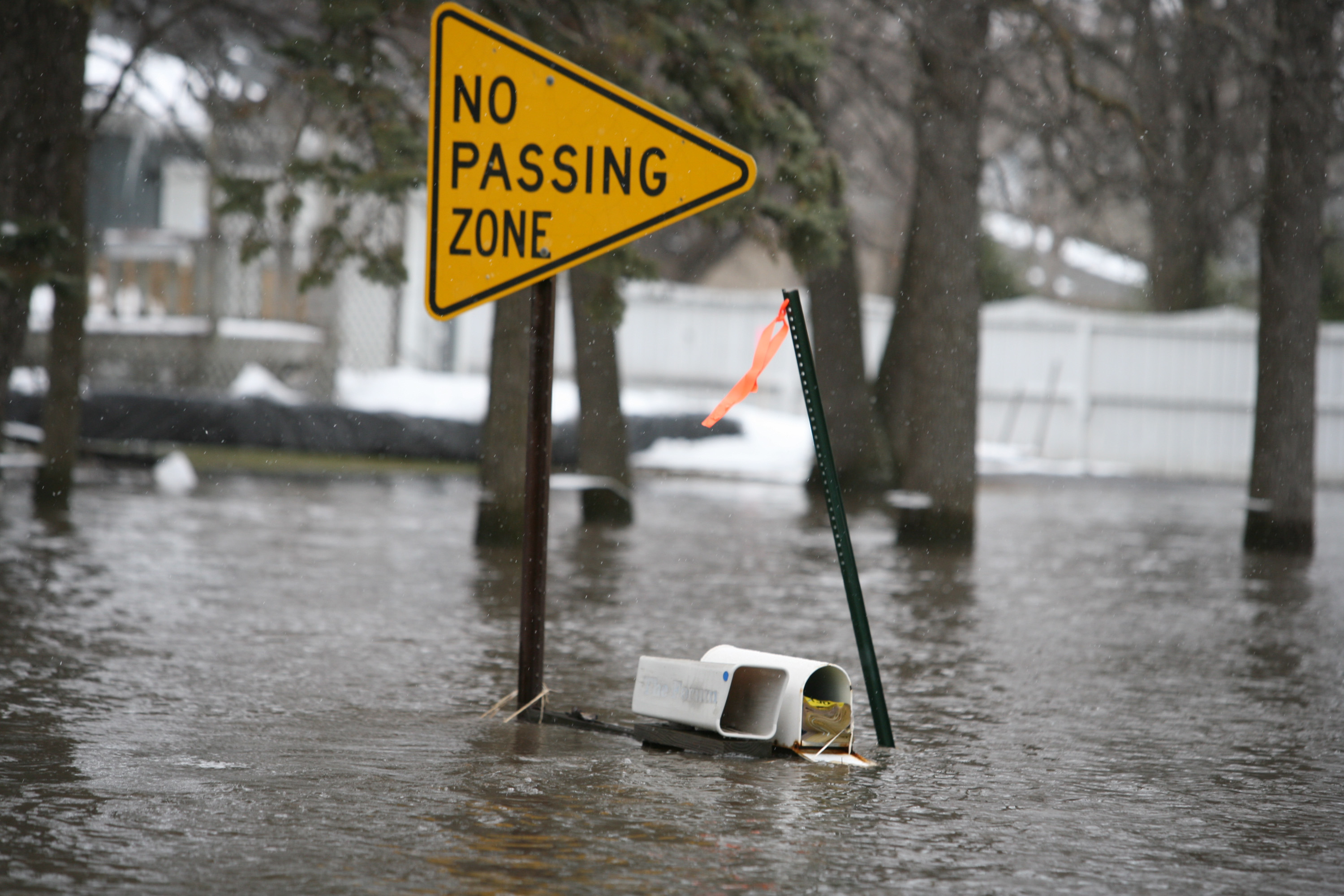 Since 1984, Monterey County has participated in the National Flood Insurance Program (NFIP). This participation, as well as the continued compliance with federal regulations, allows county residents to purchase flood insurance. Even if your business is far from any form of water such as rivers or creeks, it could still be affected by the intricate system of drainage improvements and facilities that the county maintains in an effort to protect its residents and their properties.
Federal Mandates
If you wish to relocate your business to an area that lies within the 100 year floodplain as determined by Monterey County engineers, or build within that area, federal regulations mandate that you purchase flood insurance in order to take advantage of any federally backed financial assistance for doing so. Even if you are not planning to move your business and you are happily ensconced in your current location, purchasing flood insurance is a wise business decision.
Weather Conditions Warranted Protection
Businesses that are not located within the flood plain are still at risk for being damaged due to flooding. Weather occurrences such as El Nino, for example, can cause extreme amounts of water to be dumped in areas that are ill-equipped to deal with such an onslaught of weather. Weaken structural supports like building foundations, or even elements of the property itself such as hills, can allow water to breech the boundaries of your business and cause flooding.
Industrial Accidents Pose a Concern
Water main breaks are incidences that do not occur often but the results can be devastating if you have not prepared for the possibility prior to it occurring. Not only will you need to be concerned with paying for the costs of replacing your damaged inventory and property out of your own pocket, you might struggle with losing sales from your customers during this period of time.
Flood insurance is a way to gain peace of mind that allows you to rest easier at night. Knowing that your business – and its assets – are protected in the event of an unexpected flood is a smart business move for the longevity of your company.
Read more
 The Terrorism Risk Insurance Act (TRIA) was enacted by Congress in 2002 in response to the 9/11 terrorist attacks on the United States. After New York City was attacked, many insurance companies were reluctant to provide coverage that included terrorist acts for fear that doing so could result in a devastating domino effect in the event of another act of terrorism.
Bound closely to worker’s compensation, the act offered insurance companies the ability to give employers a way to obtain affordable worker’s compensation even if they belonged to those industries that were deemed more likely to fall victim to such acts. This backstop measure put the assurances and backing of the United State government behind each worker’s compensation insurance policy that was written making it an effective answer to issue of terrorist acts.
With Congress failing to renew TRIA before taking a break for the holidays in December 2014, some employers might face confusion over what this non-action means to them. While often referred to as a problem only for businesses in Manhattan, other metro areas have found themselves affected as well. Cities with large numbers of workers such as Los Angeles, Chicago and other cities including Santa Cruz and the San Francisco Bay area need to be aware of what this means for them.
Worker’s compensation is required to provide coverage for acts of terrorism so it is important that all employers — regardless of their size and industry — consult with their insurance providers to determine their next steps. Because there has been speculation for months that Congress would not renew TRIA, most insurance companies has in place a plan to help their clients make the transition a smoother and easier one.
Read more
