 Mobile devices are the mighty double-edged swords of today’s workplace. On the one hand, they provide greater integration of information, on the other, they could be your business’s one-way ticket to a catastrophic security breach. This week we had the amazing opportunity to speak with Anthony Kinney, Microsoft’s Verizon Partner Manager, about mobile security and the ways to mitigate data risk in a BYOD environment.
According to Kinney, the three main security risk areas associated with BYOD are:
- Data loss prevention, which has to do with securing the data on a device in the
case of it being lost or stolen.
- Data in transit, which is most often
protected by encrypting information to ensure that all communications between
the device and backend infrastructure are secure.
- Data leakage, which is
about keeping a user’s work and personal information separate. In other words,
“protecting users from themselves.”
We asked Kinney what Microsoft is doing to make sure that moving to a pocket office doesn’t mean introducing security risk. He discussed how our multilayered approach to security makes adopting a BYOD policy far less of a risk, with solutions like Secure boot technology, remote “wipe” capabilities, and automatic cloud storage (among other security solutions).
What makes the greatest difference, however, are the actions a company takes to ensure that their data is secure. The way Kinney sees it, employees jailbreaking and rooting devices is one of the largest risk factors for companies who allow employees to BYOD. What those companies do is implement third-party services to “containerize the data,” so it never actually goes onto the local device.
According to Kinney, Windows Phone solves for this by protecting the data at the data center level before it even gets to the device. This means each document can have specific edit/view/share settings so that when it’s accessed on a mobile device it can’t be ‘saved as’ or forwarded to another cloud service, depending on what the settings permit. This way the phone fully understands the corporate policies on the document, helping IT to provide security—even at the file level.
This level of device integration with your data allows your company to consider a BYOD or CYOD policy without the need for third-party security solutions—which themselves offer another point of potential failure and risk. By working with your existing desktop OS, email, and other systems, the native Windows Phone OS helps mitigate data loss risk for your pocket office by preventing it in the first place.
Read more

May this year brings all the desired success and happiness in your life that you can cherish always. Wish you a successful and prosperous 2016.
Read more

It’s the Holiday season and we just wanted to say
‘ Thank You ’
and that…
It’s been a pleasure working with you this year…
Hope you and your family have wonderful Holidays and…
A Happy New Year.
Read more
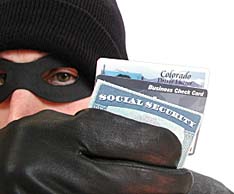 “But he that filches from me my good name/Robs me of that which not enriches him/And makes me poor indeed.” – Shakespeare, Othello, act iii. Sc. 3.
Identity theft is a huge problem in the United States. Did you know that identity thieves stole approximately $21 Billion from victims in 2012? This equates to one incident of fraud every three seconds. That’s scary. In every minute, 20 acts of fraud occur. When you keep adding up the numbers it looks horrific. Most victims don’t know until it’s too late that they have become a victim of identity theft. If you are one of the victims of identity theft, we have listed a few things for you to do:
- Contact the Federal Trade Commission (FTC) whether online or by phone, 877-438-4338.
- If necessary, send mail certified and request a return receipt.
- Contact your bank and let them know of the fraud.
- Contact all of your credit card companies and credit reporting agencies (Equifax, Experian and Trans Union) and inform them of the situation.
- Contact your insurance companies and make them aware of the theft.
- Keep a detailed filing system. Keep all your originals, only send copies of originals to requestors.
- Follow all deadlines. Keep a timeline of when you spoke to a person and set up a follow up date.
Following the above guidelines will help minimize any future thefts. We hope that you never have to use this list.
Read more
 As you get ready to bundle up for winter, consider prepping your home, too. Several tips ensure it is protected and comfortable all season.
Inspect and Clean the Chimney
Whether you have a fireplace or wood stove, the chimney needs to be professionally cleaned and inspected. Remove any debris or creosote buildup, and repair any cracks or chips before you start your first fire of the season.
Change the Furnace Filter
Dust and other debris can compromise your furnace filter’s ability to do its job. Improve your furnace’s functionality and longevity when you change the filter this fall.
Install Detectors
Smoke detectors and carbon monoxide detectors are essential in your home year round but especially during the winter months. Install these detectors on each floor, and test them at least once a month.
Repair the Roof
By repairing roof leaks and loose shingles now, you prevent damaging leaks and expensive emergency repairs.
Trim Trees
High winds can blow tree branches into your home and cause extensive damage. Trim branches now as you protect your home.
Boost Insulation
An extra layer of insulation goes a long way towards keeping your home cozy. Consider insulating the hot water tank and water lines along your home’s exterior walls. You can also insulate the attic, basement, exterior walls, crawlspaces and outlets as you prepare your house for winter weather.
Apply Weatherproofing Materials
Windows and doors can be a major source of drafts and lost heat. Apply caulk or weather-stripping material to improve your comfort and reduce heating expenses. For even bigger savings, install insulated doors and thermal-pane or storm windows.
Stock an Emergency Kit
Power outages are common when heavy storms hit your area. Be prepared with an emergency kit. It can include items like extra non-perishable food, a manual can opener, bottled water, first aid kit, battery-powered radio, blankets, flashlight, batteries, hand sanitizer, portable toilet and activities.
Preparing your home for winter protects your investment. In addition to implementing these tips, ensure your home insurance is adequate. Then sit back and enjoy the season in comfort.
Read more
 According to the U.S. Chamber of Commerce, crime, from burglary and shoplifting to fraud and embezzlement, plays a role in up to 30% of business failures. To help protect your company (and keep your insurance costs under control), use this checklist:
Employees:
- Do background checks on all applicants
- Train employees on safe opening and closing procedures
- Instruct them on what to do in case of robbery, make it clear that they should never endanger themselves by trying to protect money, property, or other valuable items.
Money:
- Keep the amount of onsite cash to a minimum. Make bank deposits daily and vary your time and routes to and from the bank
- Skim cash drawers throughout the day to ensure that large amounts of cash are not kept in the registers
- Check cash register receipts against your deposits daily to reduce the threat of employee dishonesty
- Immediately mark any checks received as “For Deposit Only.”
Property:
- Make sure that all doors are locked during non-business hours
- Keep rear doors locked from the outside at all times by installing panic locks. Do not use padlocks
- Keep the interior and exterior well lit during non-business hours
- Have a safe on site to store small amounts of cash, important documents, or other valuable items. Change the safe’s combination periodically
- Install security cameras throughout the property, with all entranceways and cashier areas under surveillance
- Set up a perimeter security system with appropriate signage to warn would-be criminals that the property is protected.
Our experts stand ready to review your security procedures at any time. Just give us a call.
Read more
