Nine out of 10 Americans drive to their travel destination.¹
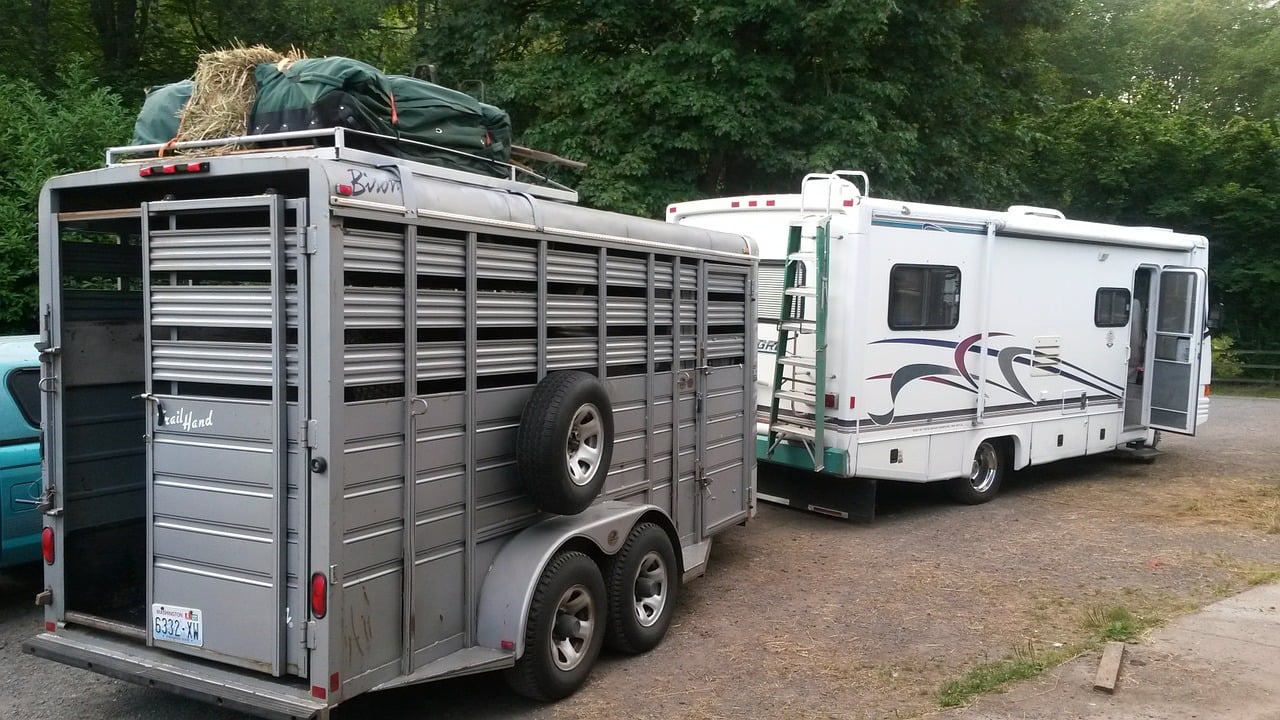
If you are among those planning to hit the road, remember: safe driving starts before you even leave the driveway. Securing luggage, maintaining vehicle balance and keeping clear lines of sight from the driver’s seat is key.
Learn how to pack your vehicle for safer travels in these videos with Travelers specialist Chris Hayes — and make your road trip a memorable one, for all the right reasons.
As a caring parent, you have tackled your share of difficult talks with your children, from bullying to underage drinking. Now, as your teen prepares to get behind the wheel, get ready to have “the talk” about safe driving. It may be the most critical conversation that you have with your child.
Car crashes are the leading cause of death among teen drivers, according to theCenters of Disease Control and Prevention.
Due to driving inexperience, teens are more likely to be involved in an accident than other drivers, according to the National Highway Traffic and Safety Administration.
Based on research, here are five tips to help your “talk” about safe driving be more effective:
Be confident. Know that you can positively influence your child’s behavior behind the wheel.1
Be a safe driver yourself (if you are not already). Teens tend to follow your example.2
Know the facts about teen driving. Some teens increase their already high collision risk by speeding, drinking, driving at night, having peers as pass
engers, and being distracted. Your state likely has Graduated Driver Licensing laws to discourage such risky behaviors among new drivers. Learn about them. And resolve to enforce them, along with other like-minded parents.
Approach your talk like a great coach. Stay calm, and set clear expectations and consequences regarding dangerous driving behaviors mentioned above. Also, put expectations in writing in a simple parent-teen driving contract. And give lots of encouragement. Kids, including adolescents, respond best to positive reinforcement.3
Stay involved. Keep a close eye on your teen’s behavior behind the wheel – even after obtaining a license. Continue to coach them about how to drive more safely. Learning to drive safely takes time, experience, judgment and skill. You may want to consider installing a monitoring device; it provides data on driving behaviors that need improvement. And, understand that you will need to have multiple “talks” with your child.
1 B. Simons-Morton, M.C. Ouimet, “Parent involvement in novice teen driving: a review of the literature,” Injury Prevention, 2006; 12 (Suppl l)i30-i37; Ferguson SA, Williams AF, Chapline JF, Reinfurth DW, DeLeonardis DM. Relationship of parent driving records to the driving records of their children. Accid Anal Prev.2001;33 :229– 234 2 Ibid 3 A. Kazdin, “The Kazdin Method for Parenting the Defiant Child,” New York, Houghton Mifflin Harcourt Publishing Company, 2008.
Roadwork can be frustrating, but it is a necessary fact of life.
When you have to be somewhere and traffic builds because of roadwork, it can be easy to become impatient – which can be dangerous in a work zone. Did you know work zones are a major cause of auto accidents? During 2012, these accidents resulted in 609 fatalities and about 32,000 injuries.¹
Here are some tips that can help you and others stay safe when there is roadwork ahead:
Be prepared for the unexpected. Things can change quickly in work zones. Slowed or stopped traffic, a traffic lane closure, or equipment and workers on the roadway are all possible.
Slow down. More than one-third of fatal accidents in work zones are caused by speeding.² Obey the posted speed limit, even if you do not see any work currently in progress.
Keep a safe following distance. Rear-end collisions account for 30 percent of work zone accidents.³ Keep a safe distance between you and other cars and construction workers and equipment to help avoid accidents.
Obey road crew flaggers and road signs. Flaggers and warning signs are there to help all drivers move safely through the work zone.
Stay alert and focused. Your full attention should be on the road. Multitasking while driving is never recommended, especially through a work zone.
Keep up with traffic. Do not slow down to watch the roadwork.
Plan ahead. Before hitting the road, check a traffic report for delays. Be sure to plan enough time to help you reach your destination on time.
Be patient. While roadwork can be an inconvenience, remember that the crews are working to improve roads and make everyone’s drive safer.
Auto insurance can be a bit tricky when it comes to your employees. While you might think that they are covered under your basic auto insurance policy you have for your business when they are on the clock, there are times when your employees might not be. When using a business vehicle to complete business-related activities, your employees are covered if they happen to get into an accident or otherwise cause damage. When the same activities for your business are undertaken while they are using their own private vehicles or a rental car, though, the rules are a bit different. This is where hired and non-owned auto liability insurance kicks in.
Why Choose Hired and Non-Owned Auto Liability Insurance
In most cases, your employee’s own private insurance will provide enough coverage to account for any damages that are caused while they are completing business. In today’s litigious-minded environment, however, the costs of any accidents or damage could easily exceed the limits that are in place on your employee’s coverage. Hired and non-owned auto liability insurance provides you with that necessary extra layer of coverage that protects your business.
Coverage Details
Hired vehicles that are covered by such a policy include those that are borrowed or rented while the non-owned vehicles portion covers those vehicles that are owned by people besides the business — including your employee’s vehicle. While this type of coverage is usually added as a rider to your business insurance policy, your insurance company can also add it to your general insurance policy if you do not have a separate business policy. Doing so protects your business if your employees get into an accident while using a non-business vehicle and supplements the policies provided by rental car agencies.
It can seem like bodily injury coverage and medical payments coverage are one and the same. After all, most people who are injured in an accident are going to have some type of bodily injury that requires them to seek medical care. The injured person would then seek out payment for that medical care from the appropriate insurance company. In actuality, though, these are two vastly different — and necessary — types of insurance.
Bodily Injury Coverage Explained
Bodily injury coverage is solely for those injuries incurred by other people that have been caused by you or other people on your insurance policy. If you or someone who is on your insurance policy is found to be at fault as the result of an accident, bodily injury coverage will pay out. Like nearly all states in the country, California requires that you maintain a certain amount of bodily injury coverage.
Medical Payment Coverage
While medical payment coverage is similar in that it pays out to a person who is injured during an accident, there the similarities end. This type of insurance pays for reasonable medical expenses to you as well as any passengers who were in the vehicle with you. Medical payments coverage pays out regardless of who was at fault for the accident.
In California, the minimum amount of bodily injury coverage you must maintain is $15,000 for one injured person and $30,000 for all injuries combined. Any expenses above those amounts would be your responsibility. While those amounts might seem high, considering how expensive healthcare is these days, you might want to make an appointment with your insurance company to go over your policy to make sure you have the right coverage.
Taking your fun off road ratchets up the fun quotient considerably. There is nothing quite like the thrill of hitting the rugged trails and backwoods roads in your ATV or dirt bike. Keep the fun flowing all year round by making sure that you have the right insurance before you head out on your favorite recreational vehicle.
Don’t Make Insurance Assumptions
The last thing you want to do is assume that your current insurance will cover any mishaps that might occur involving your ATV or dirt bike. The reality is that this is not likely to be the case. In nearly all instances, your homeowners’ insurance and auto insurance will not cover any damages incurred by or to your off road recreational vehicles. For example, if you wreck your ATV on your own property, it is not likely that your homeowners insurance will pay for it.
Taking Your Recreational Vehicles out in Public
California is blessed with a gorgeous climate and many different types of terrain. Taking your dirt bike or ATV to one of the many recreational areas that exists within the state adds variety to your hobby time while also giving you much needed space to test your speed and agility. Before you make plans to do so, though, you need to make sure that you have the necessary insurance as required by California.
Specialized Insurance for Specialized Equipment
Speaking with your insurance company about your ATVs and dirt bikes can help them craft a unique insurance plan for you. This plan will provide you with the liability, collusion and comprehensive insurance that covers any issue that might arise while you are enjoying your hobby.

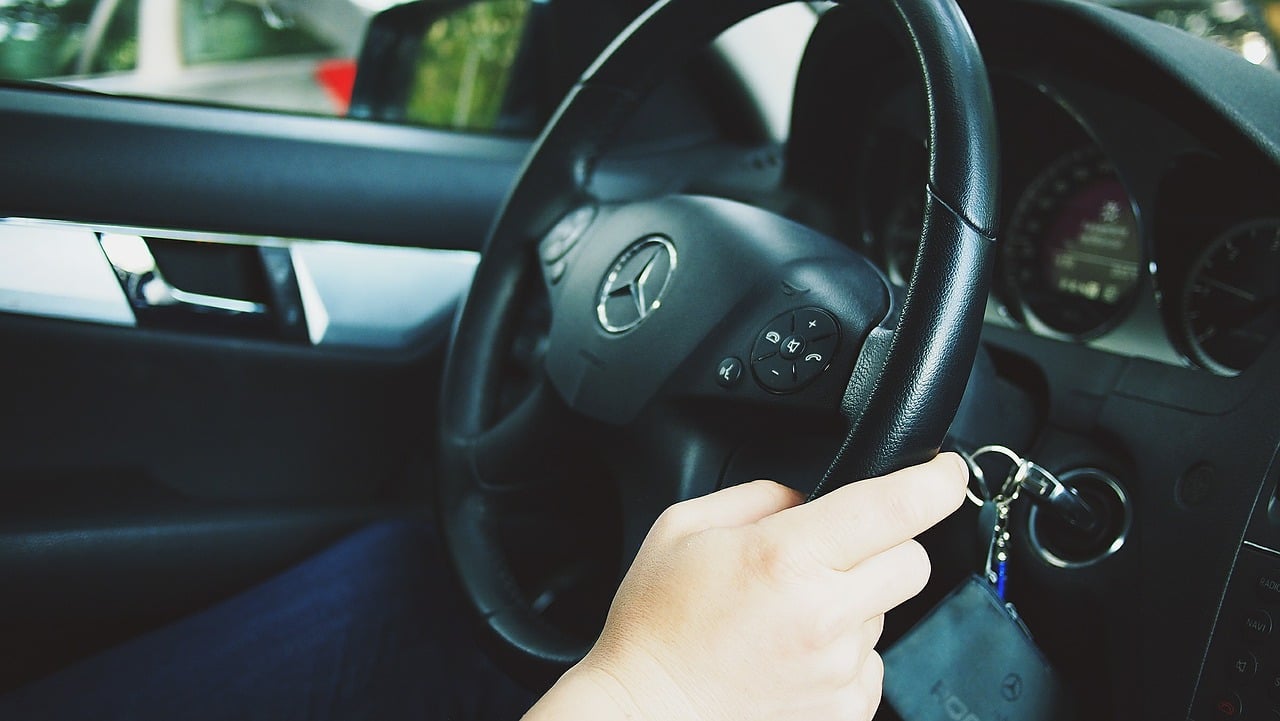 As a caring parent, you have tackled your share of difficult talks with your children, from bullying to underage drinking. Now, as your teen prepares to get behind the wheel, get ready to have “the talk” about safe driving. It may be the most critical conversation that you have with your child.