12 years ago
·
by
Shawna Kreis ·
Comments Off on Sprucing up your yard for Spring
 With the warm spring weather comes the desire to make your yard more presentable. While some of the tasks listed below might seem tedious, the end result — a beautiful yard that bursts with life — that will make all your efforts seem worth it.
1. Do a clean sweep. This is the time to remove all that debris leftover from the winter storms. Remove dead leaves, twigs and fallen branches from your yard. Tackle any weeds that have popped up to take advantage of the warmer weather.
2. Feed your yard and your garden. After the long winter, take time to feed and seed your yard and garden. This provides a firm foundation for a robust yard of green grass later on in the season.
3. Plant it! Whether you want to try your hand at vegetable gardening this year or you are looking forward to the colorful blossoms of spring, early spring is the time to plant. Purchase flowers that have already been started for a welcome splash of color. Thoroughly fertilize your garden plot to ensure that your young plants have a strong start in life.
4. Add accessories. Just like your accessories make your outfit, so do they in your yard. Large planters highlight favorite plantings while lawn furniture gives you a comfortable and relaxing place to unwind after a long day at work.
5. Tend to older plants. Now that winter is over, it is time to see how your existing foliage weathered the elements. Take the time to prune your bushes, trees and other plants. Mulch them thoroughly to provide them with the nutrients they need to recuperate after the winter. Then enjoy them as they bloom for you once again this year.
Read more
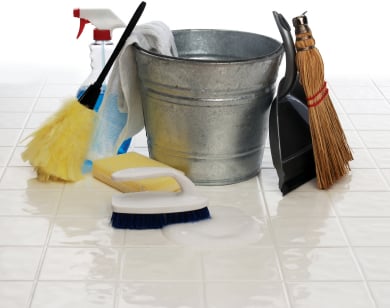 Spring cleaning does more than remove dirt and grime left over from winter. It also protects your house and reduces maintenance costs. So, try four spring cleaning tips this season as you cleanse your home.
1. Wash walls, windows and baseboards.
Often overlooked during weekly cleaning, the walls, windows and baseboards of your home harbor plenty of dirt and dust. Wash them at least once a year to ensure they look nice and to protect their finish.
*Move the furniture away from the walls, and wipe down the walls with a slightly damp cloth or magic eraser.
*The baseboards are also easy to wash off with a damp cloth. A toothbrush reaches into all the crevices.
*Use vinegar on the windows instead of glass cleaner to cut through accumulated dirt and prevent streaks.
2. Scrub the carpet.
Accumulated dirt, pet dander and odors can quickly ruin your carpets. Instead of merely running the vacuum each week, deep clean the carpets at least once a year. You can easily rent a carpet cleaner and do the job yourself or hire a professional cleaner as you prolong the life of your floors.
3. Care for furniture.
Modern or antique, your furniture will last longer when it’s free from dirt. Take time this spring to wipe off each piece from top to bottom. Use a soft cloth on wood to prevent scratches, and remember to spot treat dirty upholstery, flip the cushions and repair any tears or holes in the fabric.
4. Reduce clutter.
In addition to attracting pests and rodents, clutter reduces your ability to exit your home in an emergency. Commit to tossing or donating clutter like piles of books, excess furniture or anything you haven’t used in six months. Your home will thank you.
With these four spring cleaning tips, you’re able to reduce maintenance costs over time. So, look forward to protecting your home this season.
Read more
 The beginning of the new year is a good time to take stock of your financial situation. One of the best ways to put yourself on firm ground financially is to look over your homeowners insurance. While this insurance is mandatory when it comes to bank-financed mortgages, there is often much you can do to reduce your premiums.
Complete a Yearly Deductible Review
It is a good idea to get into the habit of looking over your homeowners insurance deductibles every year. If you are like many people, you probably have not thought about your deductibles since you first purchased your policy. Low deductibles that seemed like a good idea when you bought your first home could be costing you money now.
Purchasing a home is a big financial step that can leave you with little disposable income in the event of an emergency. It can make more sense to lower your deductible for your homeowners insurance at that point. As you begin to feel more secure in knowing just how much money home maintenance and other necessities take of your paycheck, you can add to your emergency fund.
Raising the deductibles of your homeowners insurance can help you balance out the premiums you pay. With a suitable emergency fund, for example, that is equipped to cover those emergencies like the deductible for a replacement roof caused by a storm, you can enjoy savings all year round.
Talk to Your Insurance Adjuster
For the best results, it is a good idea to make an appointment with your insurance company to sit down and go over your insurance policy. A few adjustments for your deductibles could save you hundreds of dollars each year.
Read more
 Spring is a popular time for adding to your home in the form of remodeling or putting up an addition. If you are like many people, you hire someone to complete the job for you. For most people, it is easier and faster to interview and hire a contractor to do the work instead of trying to muddle through it yourself.
Peace of Mind With the Professionals
One of the reasons for hiring a contractor to build that much-needed addition to your home or to remodel your outdated kitchen is to ensure that the job is done right the first time. Unless your career requires you to know the latest building codes, it is unrealistic to expect that you do so. Instead you rely on your contractor to know — as well as follow — the safety regulations put forth by your particular locality.
The Responsibility is Yours
Even though the contractor you hired is doing all the work, it is ultimately your responsibility for what occurs with your home. This is not to say that you are in this alone. Rather it is to caution you to be aware of the risks you face if your contractor does not follow the applicable codes when doing the work you authorized. This is one reason to use only those contractors who are licensed, bonded and insured.
Protect Yourself
One way to protect yourself is to check for the necessity of permits before allowing the contractor to start working. Request to see the permits if the contractor obtains them for you. Speak with your insurance agent to determine if additional coverage for the work is needed as well.
Read more
 Whether you are a collector of fine art or you have a garage full of vintage cars that are the envy of the neighborhood, you likely added them to your homeowners insurance when you purchased them and thought your job was done. After all, in the event of a catastrophic event — fire, flood, burglary — you thought your items were fully covered. It is worth delving more deeply into this subject, though, because you might be surprised to learn that your current insurance policy is not providing you with the coverage you thought it was.
Riders for Special Items
When you insure items that are extraordinary, your regular insurance simply might not provide enough coverage. Its limits could be far less than what the item is worth. Instead, ask your insurance agent about a specialty rider that is geared only toward that specific item or collection of items. Depending on the details, such a rider could cost you a few hundred dollars more for your insurance. The peace of mind you gain by adding such a rider is well worth the extra cost.
Reappraise Extraordinary Items
Before your fine art or jewelry was insured, you had it appraised to determine its value. Reappraising items such as this at least every two years helps keep your insurance on pace with their value. Most high level possessions continue to climb in value which means they could easily outstrip their levels of insurance coverage if you do not keep tabs on it. Regular appraisals will help ensure that inflation and valuation are kept to current levels in the event of a loss.
Read more
Roughly two million burglaries occur each year. Protect your home and family when you implement five landscaping tricks that don’t compromise your home’s exterior appearance or value.
1. Place Hostile Plants by Entryways
Burglars typically target easily accessible windows and doors. By placing hostile plants loaded with thorns, briars and brambles near these entryways, you discourage potential burglars. Several hostile plants to consider include roses, holly, raspberries, bird’s nest spruces, needle bushes and Spanish bayonet.
2. Trim Shrubbery Near the House
Overgrown shrubs, bushes and flowering plants look untidy, and they give burglars plenty of places to hide. They also prevent neighbors and anyone on the street from seeing suspicious behavior near your home. Protect your home when you keep shrubbery trimmed to lower than three feet tall all along the exterior of your home. Remember to trim plants away from the sides of your home too.
3. Use Noisy Ground Cover
Burglars try to be as quiet as possible, but noisy ground cover around your windows and doors alerts you to their every move. Pea gravel or other crunching stones do the trick, and you can find these burglar deterrents in colors that match your existing landscaping.
4. Install Short Privacy Fencing
Tall fences and tree barriers increase privacy, but they also obscure burglars. Install short fencing with an open design instead. If you already planted trees or shrubs, trim them so that the canopy starts at eight feet or higher off the ground.
5. Turn on the Lights
Most outdoor landscaping includes lighting of some sort. Opt for strategically placed motion-activated lighting as you reduce your chances of being burglarized. Place these lights near all your doors and windows and along pathways. They frighten burglars away and warn you when someone walks near your home.
Your home’s landscaping adds beauty and value to your property. It also deters burglars. Talk to your insurance agent today and discuss additional landscaping tricks that deter burglars and protect your home.
Read more
