We Are Closed On Memorial Day
Our office is closed Monday, May 22, 2015 in Observance Of Memorial Day.


Our office is closed Monday, May 22, 2015 in Observance Of Memorial Day.
 Auto insurance can be a bit tricky when it comes to your employees. While you might think that they are covered under your basic auto insurance policy you have for your business when they are on the clock, there are times when your employees might not be. When using a business vehicle to complete business-related activities, your employees are covered if they happen to get into an accident or otherwise cause damage. When the same activities for your business are undertaken while they are using their own private vehicles or a rental car, though, the rules are a bit different. This is where hired and non-owned auto liability insurance kicks in.
In most cases, your employee’s own private insurance will provide enough coverage to account for any damages that are caused while they are completing business. In today’s litigious-minded environment, however, the costs of any accidents or damage could easily exceed the limits that are in place on your employee’s coverage. Hired and non-owned auto liability insurance provides you with that necessary extra layer of coverage that protects your business.
Hired vehicles that are covered by such a policy include those that are borrowed or rented while the non-owned vehicles portion covers those vehicles that are owned by people besides the business — including your employee’s vehicle. While this type of coverage is usually added as a rider to your business insurance policy, your insurance company can also add it to your general insurance policy if you do not have a separate business policy. Doing so protects your business if your employees get into an accident while using a non-business vehicle and supplements the policies provided by rental car agencies.
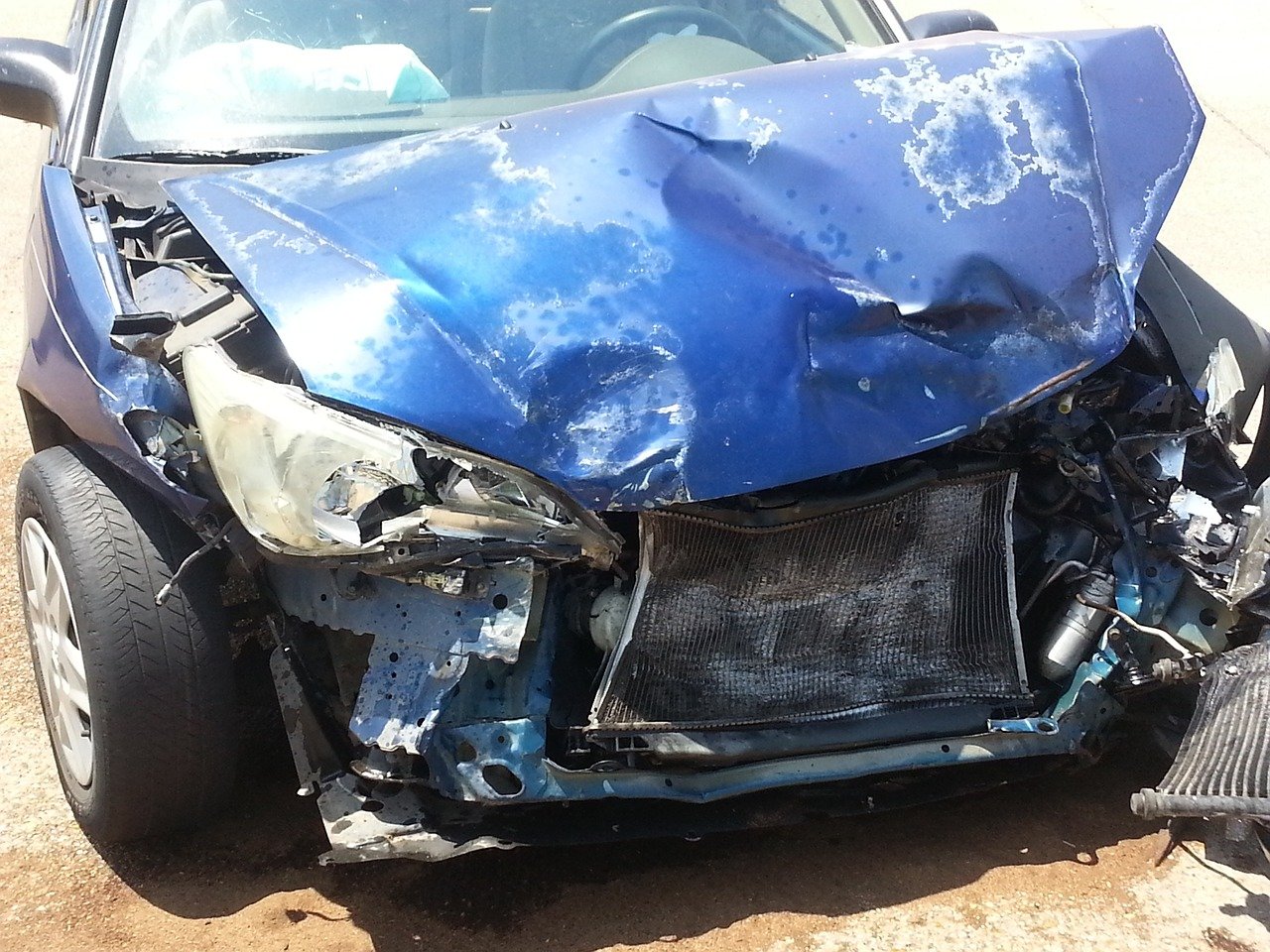 It can seem like bodily injury coverage and medical payments coverage are one and the same. After all, most people who are injured in an accident are going to have some type of bodily injury that requires them to seek medical care. The injured person would then seek out payment for that medical care from the appropriate insurance company. In actuality, though, these are two vastly different — and necessary — types of insurance.
Bodily injury coverage is solely for those injuries incurred by other people that have been caused by you or other people on your insurance policy. If you or someone who is on your insurance policy is found to be at fault as the result of an accident, bodily injury coverage will pay out. Like nearly all states in the country, California requires that you maintain a certain amount of bodily injury coverage.
While medical payment coverage is similar in that it pays out to a person who is injured during an accident, there the similarities end. This type of insurance pays for reasonable medical expenses to you as well as any passengers who were in the vehicle with you. Medical payments coverage pays out regardless of who was at fault for the accident.
In California, the minimum amount of bodily injury coverage you must maintain is $15,000 for one injured person and $30,000 for all injuries combined. Any expenses above those amounts would be your responsibility. While those amounts might seem high, considering how expensive healthcare is these days, you might want to make an appointment with your insurance company to go over your policy to make sure you have the right coverage.
The trees in your yard can enhance your property, provide shade and offer abundant environmental benefits. However, trees can also pose a safety hazard to your family and your home if they are not properly inspected and maintained.
Trees can present a particularly significant danger during a storm. Wind, lightning, snow and ice can all transform a tranquil row of trees into an imminent threat to your property. Proper tree maintenance involves more than pruning and trimming overgrown branches. These are some of the key steps you can take to protect your trees and prevent them from becoming a safety hazard.
The trees in your yard can enhance your property, provide shade and offer abundant environmental benefits. However, trees can also pose a safety hazard to your family and your home if they are not properly inspected and maintained.
Trees can present a particularly significant danger during a storm. Wind, lightning, snow and ice can all transform a tranquil row of trees into an imminent threat to your property. Proper tree maintenance involves more than pruning and trimming overgrown branches. These are some of the key steps you can take to protect your trees and prevent them from becoming a safety hazard.
Steps to Take Before a Storm
Six Signs to Monitor
When performing maintenance on the trees in your yard, please make safety a priority. If you are unable to safely prune or remove trees and limbs, contact a professional tree-care service or arborist to help you do so. It may be a good idea to consult with a professional if the trees in your yard already display any of the following characteristics:

Sources:
Travelers, Clatterbuck, Wayne. “Storm-Damaged Residential Trees: Assessment, Care and Prevention.” Extension.Tennessee.edu. The University of Tennessee; Coder, Kim. “Storm Damaged Trees: Prevention & Treatments.” Warnell.Forestry.UGA.edu. The University of Georgia.
 One Number for All States
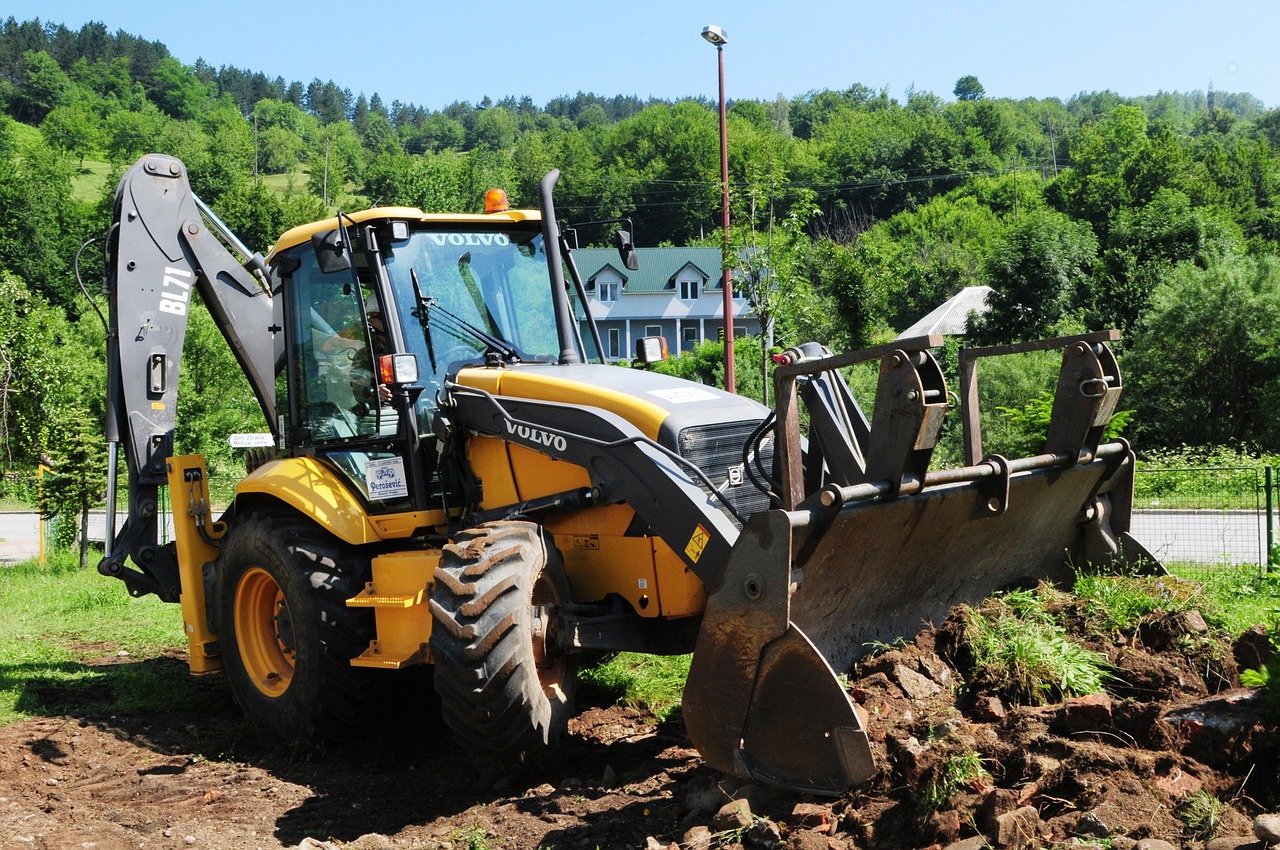
811 is the national “Call Before You Dig” phone number designated by the Federal Communications Commission. This number was developed to eliminate the confusion of multiple “Call Before You Dig” numbers because it is easy to use, remember and it is the same for every state.
Why Call 811?
It is important to call 811 before digging so that professional excavators and do-it-yourself homeowners are aware of any underground lines buried in the area. This information can help protect people who dig from injury, expense and penalties. Damages to underground lines can disrupt service to an entire neighborhood, harm diggers and cost diggers fine and repair costs. Hopefully this number will increase awareness and create a positive behavioral change.
What Happens After Calling 811?
Similar to the current “Call Before You Dig” numbers, all 811 calls will be routed to a local One Call Center and the affected utilities. The utility will then send crews to the location to mark any underground lines for free.
Do Most People Call Before They Dig?
Believe it or not, the answer is “no.” According to a recent national survey, roughly half of all Americans are “active diggers,” yet only one-third have called to get their utility lines marked.
How Is 811 Being Promoted?
The Common Ground Alliance (CGA) is an organization created in 2000 to prevent damage to underground infrastructure, reduce service disruptions, save lives and improve safety practices industry-wide. The national 811 number provides a once-in-a lifetime opportunity to focus national attention on the importance of calling before digging. CGA is working with its members, sponsors and national launch partners to increase awareness about calling 811 before digging.
More Information
For more information about the 811 call system, visit http://www.call811.com. To download the most current industry Best Practices in connection with preventing damage to underground facilities, go to http://commongroundalliance.com/.
†Source Common Ground Alliance, 2010 Damage Information Reporting Tool (DIRT) Annual Report(pdf)
The information on this site is general in nature. Any description of coverage is necessarily simplified. Whether a particular loss is covered depends on the specific facts and the provisions, exclusions and limits of the actual policy. Nothing on this site alters the terms or conditions of any of our policies. You should read the policy for a complete description of coverage. Coverage options, limits, discounts and deductibles are subject to availability and to individuals meeting our underwriting criteria. Not all features available in all areas.
 Milder days offer a prime opportunity for spring cleaning and home maintenance. After a long winter, be sure to spend some time on preventive measures that will help maintain your home and property all year long. From cleaning out your gutters and checking for dead trees and branches, to cleaning and inspecting your home mechanical systems such as your heating and air conditioning equipment, we offer ways to help make spring a season of safety.
Scurich Insurance Services
Phone: (831) 661-5697
Fax: (831) 661-5741
Physical:
783 Rio Del Mar Blvd., Suite7,
Aptos, Ca 95003-4700
Mailing:
PO Box 1170
Watsonville, CA 95077-1170
E-mail address:
[email protected]
Available 8:30am - 5:00pm