You might love the warm summer temperatures, but they can be dangerous when you are working out. If you are not careful, you could end up with dehydration or heatstroke. The following tips can help you keep up stay safe while you stay in good shape over the summer.
Exercise During the Cool Parts of the Day
Avoid the intense heat of the noon-time sun when possible. Instead of going for a walk during your lunch break, exercise early in the morning when temperatures are lowest. Another option is to wait until the sun goes down and the temperature starts to drop in the evening. If you work out before dawn or after sunset, wear reflective clothing so that car drivers can see you more easily. If you exercise during the day, use sunscreen.
Stay Hydrated
You can quickly become dehydrated when you exercise. To prevent dehydration, men should drink 12 8-ounce cups and women should get 8 cups of water per day. You need extra water when the weather is windy or dry.
Consume an additional 2 cups of water about an hour before your workout, and drink 8 ounces of water every 15 minutes while you are exercising. Weigh yourself before and after your workout, and drink an additional 16 ounces, or half-liter, of water for every pound that you lost during your workout.
Symptoms of mild dehydration can include thirst, headaches, fatigue, muscle cramping and muscle weakness. Stop exercising and drink some water immediately if you notice these symptoms.
Adjust Your Exercise Program
Be flexible with your exercise program during the summer. Water activities, such as swimming laps or taking water aerobics classes, can give you an excellent aerobic workout while you stay cool compared to participating in activities such as running or cycling. You can also adjust your workout program while maintaining a high level of fitness by lowering the intensity of your exercise sessions on hot days.
Finally, you can opt for indoors workouts instead of heading outdoors. You can follow an exercise DVD in your own air-conditioned home, or go to a health club with air conditioning. There, you can run on the treadmill, use the stationary bikes or elliptical machines, lift weights, and take group fitness classes without exposing yourself to the sun.
With a bit of caution, you can have fun, stay fit, and stay safe this summer.
Nine out of 10 Americans drive to their travel destination.¹
If you are among those planning to hit the road, remember: safe driving starts before you even leave the driveway. Securing luggage, maintaining vehicle balance and keeping clear lines of sight from the driver’s seat is key.
Learn how to pack your vehicle for safer travels in these videos with Travelers specialist Chris Hayes — and make your road trip a memorable one, for all the right reasons.
Going online has become part of everyday life, whether it is for everyday activities such as shopping, sending email or paying bills, and managing your accounts. But data breaches, in all their forms, can potentially expose the personal information that we share online, putting consumers at risk of identity theft.
According to the 2014 Travelers Consumer Risk Index, 82 percent of Americans worry about loss of personal privacy, and 63 percent worry about identity theft. Fortunately, there are steps that consumers can take, including not opening unsolicited emails and avoiding unsecure websites, to protect their personal information while online.
The following tips can help you learn how to help stay safe online:
Online Shopping
Research potential retailers to make sure they are reputable and have a secure network and website. Try to avoid buying from a site that does not have a secure socket layer (SSL) encryption installed. In order to do this, look for the ‘s’ at the beginning of a URL – HTTPS:// instead of HTTP:// – to help determine if a site is SSL secured.
Read the site’s privacy policy to learn how the personal information you provide will be used.
Use only one credit card for online purchases. Be sure to read statements when received to check for fraudulent or unknown charges or activity.
If you receive an email regarding sales or discounts from a particular retailer, log on directly to the official website for the business. Avoid linking to it from an unsolicited email.
Emails and Attachments
Do not send personal information in email or instant messages. Emails are out of your control once sent, and can be easily intercepted.
Do not click on links you receive by email or encounter online that are suspicious or from unknown sources. Only accept and click if it:
Comes from someone you know.
Comes from someone you have received mail from before.
Is something you were expecting.
Does not look odd with unusual spellings or characters.
Passes your anti-virus program test.
Be cautious of emails you receive regarding your financial accounts. If you are not sure of the email’s validity, contact your financial institution directly.
General Online Safety
Try to limit the personal information you put on the Internet. Social media sites can be good for networking, but identity thieves can use the information you share.
Remember to keep your Web browser up to date. This can help ensure the latest security features are installed.
Avoid storing personal information, account numbers and personal identification numbers on your computer.
Install firewall and anti-virus software. This can help protect you from exposure to malicious cyber attacks.
Only one to two percent of drownings are classified as secondary or dry drownings. However, you definitely want to understand this risk and take steps to protect your kids.
What is Secondary Drowning?
When someone struggles underwater and breathes in even a small amount of water, it can trigger spasms in the airway muscles. That water can also cause pulmonary embolism, or fluid build-up in the lungs.
A victim of secondary drowning may walk away after struggling underwater and look or act fine. He or she could drown in his or her own fluids and suffer from brain injury or die within one to 24 hours later, though.
What are the Symptoms of Secondary Drowning?
A victim might show several signs of secondary drowning, including bubbling fluid around the lips, chest pain, wheezing, shortness of breath, cough or extreme fatigue. Young children may not be able to verbally express to you if they experience these symptoms, however, and you may not notice them if your child is fussy or tired after a long day. That’s why you need to be vigilant in looking out for signs of secondary drowning after your child experiences a struggle in the water.
What is the Treatment for Secondary Drowning?
Hospital staff will provide oxygen treatment or ventilation for a victim of secondary drowning. Prevention is the best treatment, though, as you:
Teach your kids how to swim with confidence and how to be safe in the water.
Supervise kids in the pool or bathtub every second.
Ensure all adults who supervise kids know CPR techniques for all age groups.
Make sure the pool is fenced in with childproof locks.
Seek medical treatment immediately for someone who experiences a struggle in the water, even if he or she shows no signs of secondary drowning.
Additionally, verify that your homeowners insurance is up to date. It can cover medical treatments required to save a child from secondary drowning.
Enjoy longer days and warmer nights while protecting your investment.
Summertime is the best time to be outside enjoying the weather. Make sure your deck or patio is ready for the summer sun by keeping in mind the seasonal maintenance tips below.
Check deck or patio for possible deterioration and safety hazards such as loose boards and protruding nails.
Check electrical outlets for potential fire hazards such as frayed wires or loose-fitting plugs. Be sure not to overload electrical outlets, fuse boxes, extension cords or any other power service.
Check all window and door locks to ensure correct functioning. Make sure all locks are secure and there are no holes in any of the screens.
Inspect recreational equipment for proper operation and possible dangers (e.g., Are swing sets secure, and do they contain any rusty bolts?).
Carefully inspect your toilet. Look for the erosion of plastic floater valves, and check all pipe connections.
Clean or replace your furnace filter.
Clean the clothes dryer exhaust duct and space under the dryer. Remove all lint, dust and pieces of material.
Inspect washing machine hoses periodically, and replace hoses that show signs of wear or leakage.
Have your roof inspected by a professional once every few years to identify areas of potential leakage.
The summer months are quickly approaching, which means many families will be embarking on vacation getaways. Summer travel and readying the car for trips can be the most stressful part of the vacation.
Travelers recommends the following packing and driving tips for families hitting the road for vacation this summer.
Summer Travel Safety Tips
During the summer months, many families embark on vacation getaways. Summer travel and readying the car for trips can be the most stressful part of the vacation. Travelers offers some packing and driving tips for families hitting the road for vacation this summer.
74%
of Americans taking a summer vacation
plan to drive
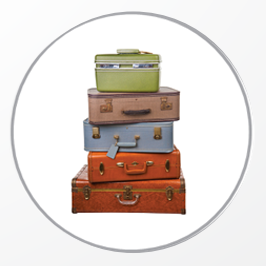
Don’t overloadWhen packing, the car can get filled quickly. Spread out the load so the weight is evenly distributed.
Be a prepared
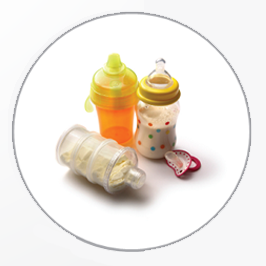
parentPack snacks, extra clothes and entertaining items that will keep your little ones in the back seat happy.
Keep a
clear viewWhen packing your vehicle, make sure you maintain a proper line of sight with your mirrors and windows.
Ready the
roof rackKnow your rack’s weight limit by checking the user’s manual. Recognize the height of your vehicle after packing to prevent damage or accidents.
In 2011alone, over 3,000 people were killed in distracted driving crashes.‡
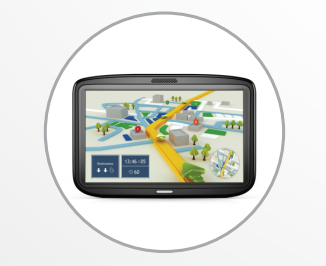
Know the routeFamiliarize yourself with the route before leaving for your trip. Relying solely upon GPS can lead to dangerous last minute turns and lane changes.
Secure your petsUnsecured pets can become a distraction. Secure your pets appropriately and never let them run about the vehicle.
Cruise carefullyCruise control can be a helpful tool, but be careful when using it on long trips, as it can make it easier for drivers to lose focus on the road.
Take a breakWhen travelling long distances, it’s important to take frequent breaks to help maintain focus and avoid fatigue.

 You might love the warm summer temperatures, but they can be dangerous when you are working out. If you are not careful, you could end up with dehydration or heatstroke. The following tips can help you keep up stay safe while you stay in good shape over the summer.