The Problem with Minimum Coverage
Most states require drivers to carry basic liability coverage, which pays for injury and property damages if you are found at fault following an accident. These limits vary by state but can be as low as $10,000 per person or $20,000 per accident.
If you get into an accident, there’s a chance you could be sued. When this happens, minimum liability coverage may not be sufficient to cover the damages, and you could end up paying thousands of dollars out of your own pocket.
What’s more, if you cause an accident and your liability limits are too low to cover the expenses, the other party might go after your assets in court. To protect yourself, it’s important to think critically about how much coverage you need and to secure the proper limits.
How Much Auto Insurance Should I Carry?
While it can be tempting to simply pay the lowest amount possible for auto insurance, doing so can leave you exposed to serious financial risks. In general, it’s recommended that you carry more than the minimum coverage unless you are driving an older car with little value and have no assets to protect.
Did You Know? Insurance is mandatory in order to operate a vehicle in the United States, and every state has specific coverage limits that you must meet. While meeting these minimum limits may be enough to get you on the road, they are often inadequate if you are involved in a serious accident. As such, you may want to consider raising your limits in order to secure the right protection.
The higher you set your coverage limits and the lower you set your deductibles, the less you’ll pay out of pocket after a claim. You will need to determine how much you can comfortably afford when setting your coverage limits and deductibles.
Raising your limits and paying a little more each month will allow you to get the most out of your investment.
Customize Your Policy
When it comes to auto insurance, you have many options. Contact your insurance broker today. They will be able to discuss different ways to customize auto insurance policies, including adjusting collision, comprehensive, medical expenses, uninsured motorist and no-fault coverage. They can also recommend specific policy limits given your situation.
Read more

The Insurance Research Council reports that an estimated 1 in 7 drivers in the United States are currently uninsured. As a result, many car insurance companies across the nation offer specific coverage in the event that you get into an accident with an uninsured driver, such as uninsured motorist (UM) coverage and underinsured motorist (UIM) coverage.
UM coverage applies if the uninsured driver was at fault in the accident or if you were the victim of a hit-and-run accident. UIM coverage applies if the other driver is at fault and lacks a high enough level of coverage to cover the cost of the accident. This means that if the underinsured driver’s policy limit is reached before the cost is covered, your insurance company would pay the remainder of the costs until your coverage limit is reached.
While UM/UIM coverage can be helpful, often times the level of coverage isn’t enough to cover the costs of the accident. Luckily, several states allow you to “stack” your UM or UIM coverage. Read on to learn the differences between stacked and unstacked UM/UIM coverage.
Unstacked Coverage
If you have unstacked UM/UIM coverage, your level of coverage is the limit on your policy. For instance, if you have a set limit of $20,000, that is the maximum amount of coverage you will receive after an accident with an uninsured or underinsured driver. Unstacked coverage is more common than stacked coverage, seeing as it is your only option if you insure just one car.
Stacked Coverage
If you insure multiple vehicles and your state allows stacking, you are permitted to increase your level of UM/UIM coverage. You can utilize stacked coverage within one policy, or across policies.
Stacking your coverage within one policy means you are combining your coverage limits for multiple vehicles on a singular policy. For example, if you own two cars on one insurance policy and your UM/UIM limit is $20,000, you can combine your coverage limits for a total of $40,000.
Using stacked coverage across policies means you are combining your coverage limits between separate policies for a singular claim. For example, if you own two vehicles, each with separate policies and your UM/UIM limit is $25,000, you could file a claim using both policies, therefore using up to $50,000.
The Advantages and Disadvantages
There are both benefits and drawbacks to utilizing stacked UM/UIM coverage. Stacking can potentially raise the amount of coverage you can use in case of an accident with an uninsured or underinsured driver, and lets you increase your UM/UIM limits without increasing your liability coverage.
However, if you have stacked coverage, you may have higher rates, seeing as car insurance companies have to offset the risk of costly reimbursement.
In addition, while some states lack laws for stacked coverage, some states either forbid it or only allow it in specific circumstances. Aside from state laws, some car insurance companies have certain policies that disallow stacked coverage. Be sure to contact your car insurance company to discuss your options with stacked UM/UIM coverage.
Read more
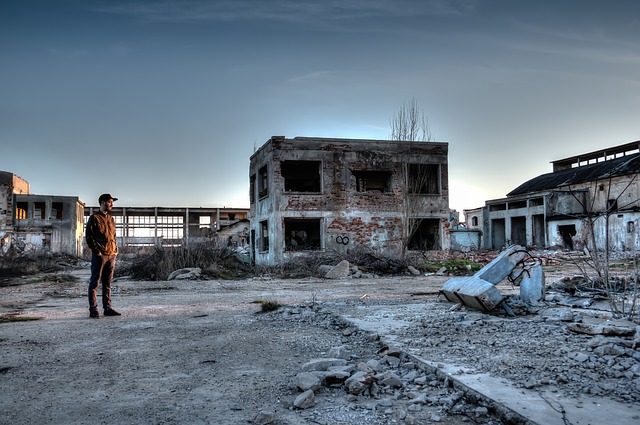
Hurricanes, fires and other disasters can cause widespread devastation that threatens the safety of your family and home. But once a disaster passes, you aren’t necessarily out of danger. If your home is damaged, it may not offer sufficient protection for your family. Plus, assessing damage and the rebuilding process itself can be costly, even if your insurance policy helps to pay the bills.
Returning Home
Before you can rebuild or repair your home, you’ll have to complete detailed inspections to see the extent of the damage. However, you should also keep your immediate safety in mind at all times. Even if you’re eager to return home, there could be a number of hazards present after a disaster that aren’t easily visible.
Here are some tips for when you re-enter your home:
- Don’t return to your neighborhood until it’s declared safe by local officials.
- Inspect the outside of your home for cracks in the foundation and sagging in the roof.
- Don’t enter your home if there’s a hazard present, such as damaged power lines, floodwater that’s above the basement or the smell of natural gas.
- Walk through every room of your home with a friend or family member, and take note of any noticeable damage or lost property.
- Don’t drink tap water until it’s been declared safe by local authorities.
- Be aware that wildlife may have taken refuge in your home, especially after a flood. Use a shovel or other long tool to rummage through anything you can’t see, and never approach a wild animal directly.
- Never force open a door that appears to be jammed. It’s possible that damage to your home has forced a door to support some of the building’s structure.
- Refrain from using wired electronics until you know the electrical systems are working properly.
Cleaning and Repairs
Once you’ve determined that your home is safe, you many want to start cleaning or performing small repairs yourself. However, the precautions you take during the recovery process can change depending on the type of disaster that affected your area. Use the following best practices to identify potential hazards in your home and prepare yourself for the cleaning and rebuilding processes.
General Best Practices
- Be aware of hazards that may be unique to your home. For example, older homes may contain lead paint, asbestos or other dangerous substances that can become exposed after a disaster.
- Wear appropriate protective equipment. You should always wear gloves and goggles when cleaning chemical spills or working with household cleaners.
- Read the manufacturers’ instructions on all cleaning products and devices before using them.
- Never mix chemicals together, either when disposing of them or using them to clean.
- Be aware of carbon monoxide hazards. Because the gas is difficult to detect and your home’s carbon monoxide detectors may not be working properly, it can be hard to detect a dangerous buildup of carbon monoxide. Never use fuel-burning devices inside your home, including portable generators that run on gasoline.
- Remove any standing water from your home as quickly as possible. Standing water can serve as a breeding ground for microorganisms and disease-carrying insects.
- Check the outside of your home to see if wind or debris has damaged the roof, windows or siding. If the damage appears to be severe, consult a professional about making repairs.
- Properly dispose of all waste materials and garbage, and never burn them.
- Take pictures of your home before and after it’s repaired. These pictures may help when making insurance claims.
- Make a record of any important documents that were damaged or destroyed, such as passports, birth certificates, Social Security numbers and insurance policies.
- Keep the receipts for any purchases you make while cleaning or rebuilding.
- Contact us at 831-661-5697 for help getting in touch with certified professionals and reviewing your homeowners policy.
Floods
- Wear an N-95 respirator if mold is present. If standing water has been in your home for at least two days, it’s likely that mold has begun to grow.
- Call a professional to help you clean if there’s a large amount of mold present.
- Remove any standing water as quickly as possible. However, if your basement is flooded, you should only pump out about one-third of the water a day. If any more is pumped out, it could cause the walls to collapse or the floor to buckle.
- Dispose of any food and containers that came into contact with floodwater, even if they appear to be airtight.
- Clean and dry all hard surfaces in your home. If anything can’t be cleaned and dried, it should be thrown away.
Fires
- Enter your home only after the fire department has said that it’s safe. Fires can cause severe damage to a building’s walls and floors, and they may not be structurally sound.
- To protect against serious health risks, avoid contact with soot and dirty water left over after a fire.
- Wear a mask while cleaning to prevent the inhalation of ash, soot and other residue.
- Check to see if your utilities are in working order. The fire department usually turns off utilities when fighting a fire and will know if they’re safe to use. Never try to turn your utilities back on by yourself.
- Use cleaning products that contain tri-sodium phosphate to help reduce the odor of smoke. Be sure to read the manufacturer’s instructions before you use one of these products.
- Use a mild soap and warm water to remove stains from soot and smoke from hard surfaces. Make sure to rinse and completely dry all surfaces shortly afterward.
- Talk to a professional about replacing drywall or insulation that’s been soaked by water from fire hoses.
Working with Contractors
Hiring a contractor to repair your home is a good way to make sure the job is done professionally. Unfortunately, disasters also attract scam artists who prey upon those affected by a disaster, and you need to remain skeptical when using contractors. Here are some best practices for working with a contractor:
- Only use contractors who have a good referral from Scurich Insurance, family members or friends.
- Check to see if complaints have been lodged against a contractor you’re considering by visiting www.usa.gov/state-consumer.
- Be wary of contractors who encourage you to spend too much, offer “special deals” or ask for your credit card number before you’ve signed a contract.
- Ask to see copies of contractors’ general liability and workers’ compensation insurance policies before you work with them.
- Get a written price estimate that includes any spoken promises made by a contractor.
- Take your time to review a contract before you sign it, and be sure to ask for explanations about any price variations you notice. It’s also a good idea to get an attorney to review a contract before it’s signed.
- Never agree to pay a contractor upfront. A deposit of one-third the total price is standard.
- Only pay contractors with a check or credit card, and pay the final amount only after the work is finished and has passed your review. Also, keep in mind that paying with a credit card may offer protection from your bank and the credit card company if the contractor makes an unauthorized purchase.
Recovery Resources
Recovering from a disaster of any type is an extremely stressful experience, and one where your family’s safety and financial future may be in doubt. Here are some resources you may be able to use to help provide for your family and rebuild your home:
Read more

Make Sure Your Donations Reach the Right Cause
The damage caused by Hurricane Harvey is prompting people to help in whatever ways they can. Unfortunately, there are dishonest people who prey upon people’s good intentions, creating fake charity campaigns to exploit victims and take advantage of those who want to help.
Disaster Donation Scams
Despite the sense of urgency to help when disaster strikes, it’s important to do some research before donating. Use these tips to make sure your money reaches the right cause:
- Never wire money to someone who claims to be a charity. Legitimate charities don’t ask for wire transfers.
- Be cautious about bloggers and social media posts that provide charity suggestions.
- Only donate through a charity’s official website, and never through emails.
- Ensure that the charity explains on its website how your money will be used.
- Be wary of charities that claim to give 100 percent of donations to victims. Well-structured organizations need to use some of their donations to cover administrative costs.
- Never offer unnecessary personal information. However, it’s common for legitimate charities to ask for your mailing address.
Helpful Hints
Donors looking for a worthy charity can access an unbiased, objective list on a website called Charity Navigator. The site receives a Form 990 for all of its charities directly from the IRS, so it knows exactly how the charities spend their money and use their donations. It also rates charities based on their location, tax status, length of operation, accountability, transparency and public support.
Read more

New Study Demonstrates the Dangers of Talking While Driving
It’s commonly known that smartphones, entertainment systems and other electronics can be a dangerous distraction to drivers. However, a new study from the University of Iowa found that simple conversations can also cause unsafe driving conditions.
The study used eye tracking equipment to analyze where subjects were looking and how long it took them to focus on a new object. Some subjects were also asked true or false questions at the same time in order to simulate a simple conversation. Data collected from the study found that subjects who answered questions took twice as long to focus on a new object than those who were asked no questions.
Although engaging in conversation seems simple, it involves a number of complex tasks that the brain must handle simultaneously. Even if the topic of conversation is straightforward, the brain has to absorb information, overlay what a person already knows and prepare to a construct a reply. And, although this process is done extremely quickly, it can also slow down reaction times and lead to a dangerous accident on the road.
The best way to keep your employees safe while driving is to encourage them to eliminate or turn off all potential distractions, including their cellphones and any hands-free accessories they may use to make a call. You can also consider including language about safe driving practices in your workplace safety policies.
Preventing Workplace Violence
As reports of shootings and other violent incidents become more common, workplace violence is a topic than no business can ignore. According to the U.S. Bureau of Labor Statistics, workplace homicides rose 2 percent in 2015, the latest year for which data is available. Additionally, the number of workplace shootings increased by 15 percent.
The best way to address potential acts of violence at your business is to be prepared to act before, during and after an act of violence occurs. Here are some programs you can use to ensure the safety of your employees and customers:
- Pre-employment screenings-Background checks can help identify candidates who have violent histories.
- Security-Security systems can ensure that only employees have access to certain areas.
- Alternative dispute resolutions-Techniques like facilitation and mediation can help solve a conflict before it escalates.
- Threat assessment teams-A designated team can work with management to assess the potential for violence and develop an action plan.
Congress Considers Flood Insurance Reforms
The National Flood Insurance Program (NFIP) is one of the few ways to get insurance coverage for flood risks, and the program is set to expire later this year. However, Congress is currently examining a number of possible changes to the NFIP before it’s reauthorized.
One of the most important topics regarding the NFIP is its financial stability. The program is currently $24 billion in debt as a result of rising claims costs and severe weather events, and some lawmakers believe that the program needs substantial reforms in order to remain viable.
The following are some of the changes that are being considered to the NFIP:
- Making private flood insurance more available to consumers
- Limiting payments to properties that flood repeatedly
- Reducing taxpayer subsidies for flood insurance
- Creating financial incentives for flood mitigation
DOL Withdraws Joint Employment and Worker Classification Guidance
The U.S. Department of Labor (DOL) recently withdrew administrative interpretations regarding joint employment and the classification of workers as employees or independent contractors. These withdrawals can have significant consequences on legal protections for employees and eligibility for benefits.
- Worker classification-Employers will need to satisfy tests established by the courts-such as the economic realities test-when classifying workers.
- Joint employment-Joint employment can only be established when an employer has direct control over another employer’s workplace.
To learn more about what these withdrawals could mean for you, contact Scurich Insurance and ask to see our comprehensive compliance bulletins, “DOL Withdraws Joint Employer Guidance” and “DOL Withdraws Worker Classification Guidance.”
Read more

Just a few years ago, taking a trip involved contacting travel agencies, booking hotel rooms and making plans far in advance. Today, however, smartphones and the internet have helped create new sharing services that allow homeowners to connect with travelers and rent out their homes, spare bedrooms or other accommodations for a fee.
Airbnb, the most popular of these sharing services, offers a convenient platform that can provide homeowners with an extra source of income. However, renting through Airbnb can also expose you to substantial risks and leave you with costly property damage and liability claims.
Potential Insurance Gaps
Relying strictly on your regular homeowners or renters insurance policy while hosting guests through Airbnb can lead to significant gaps in coverage. These policies are designed to protect you and your family from everyday risks, and not from commercial renting.
If a renter uses your home for even a small amount of time, you and your family will be exposed to significantly different risks that weren’t considered when your policy was drafted. As a result, most homeowners and renters policies won’t cover property damage that’s caused by Airbnb guests.
If you’re considering renting through Airbnb, your first step should be to contact your insurance broker to review your current homeowners or renters insurance policy. While your homeowners or renters policy may allow you to rent your property to a guest, it’s important to keep in mind that each insurer has its own restrictions and requirements. Some insurers may require advanced notice of any short-term rental, whereas others might insist that you purchase an endorsement to expand your coverage.
If you plan to rent out your residence on a regular basis, many insurance companies will consider this commercial use. In many cases, regular Airbnb hosts will need to obtain a commercial insurance policy in order to be properly insured. However, a growing number of insurance companies now offer home-sharing liability insurance policies that can be purchased on a month-to-month basis.
Issues with Airbnb’s Provided Protection
Airbnb does offer its hosts two forms of protection through its host guarantee program and host protection insurance. While hosts may be inclined to rely exclusively on these programs to manage their risks, there are significant gaps related to these offerings.
Host Guarantee
Airbnb backs every one of its bookings with its host guarantee program at no cost, which will reimburse eligible hosts for damages up to $1 million. However, Airbnb readily admits that its host guarantee is not insurance and should not be considered a replacement or stand-in for homeowners or renters policies.
Moreover, payments through the host guarantee are subject to a lengthy list of terms, conditions and exclusions. Therefore, hosts should be aware of the following issues related to Airbnb’s host guarantee:
- Hosts must attempt to resolve any issues with the guests involved prior to receiving any compensation. This also means that a host would have to make a claim on his or her own insurance policy before the host guarantee would apply.
- Any sum collected from a standard policy or a security deposit would be deducted from the host guarantee.
- The guarantee will only repair or replace covered property that is damaged during the time frame of an online booking.
- This guarantee does not cover certain items including, but not limited to, cash, collectibles, jewelry, pets, watercrafts or any damage to property that is not considered a covered accommodation.
For more information on specific elements of Airbnb’s host guarantee program, hosts can review its terms and conditions in full on the company’s website.
Host Protection Insurance
In addition to its host guarantee program, Airbnb offers coverage to its patrons through its host protection insurance. Airbnb indicates that the program provides primary liability coverage for up to $1 million per occurrence in the event of third-party claims of bodily injury or property damage. Despite these claims, hosts should be wary of relying solely on this insurance program for a number of reasons:
- Intentional acts that aren’t the result of an accident are not covered under this policy. In addition, Airbnb’s home protection insurance does not cover what it refers to as property issues, which can include things like mold, asbestos and bedbugs.
- Neither Airbnb’s home protection insurance nor its fine print is readily available for review. The policy is also subject to limitations, conditions and exclusions. Together, this means that the specifics of these coverages are vague, and Airbnb hosts may not know exactly what’s protected.
- The personal property of any guest is generally not covered. Additionally, any theft or damage caused by a guest may not be covered either.
With Airbnb’s host protection insurance, it’s best to assume that you aren’t equipped with the proper coverage. For full protection, it is likely that you will need to speak with an insurance professional to better understand the policy adjustments you will need in order to be fully covered.
Considerations for Condo Owners and Renters
While Airbnb opens its services to condo owners and renters, multi-unit buildings often have restrictive bylaws, homeowner association rules or lease terms that could impact the ability to host guests through Airbnb.
In many instances, commercial activities like renting out accommodations—even for short periods of time—are forbidden by lease or condo board policies. In some cases, hosts will need to contact their landlord or condo board before subletting or renting out any accommodations. Failure to do this can result in eviction or other forms of legal action.
Even if you’re allowed to rent out your condo or apartment through Airbnb, doing so can cause tension with neighbors. There’s always the potential that your guests may not be respectful to property in common areas, act inappropriately or noisily, or make other tenants feel uncomfortable.
Local Laws and Considerations
In response to the rising popularity of Airbnb, many states, cities and towns are moving to regulate short-term property rentals through their municipal codes or zoning regulations. In some cases, home rental services like Airbnb could be prohibited altogether.
If you break these local regulations, purposely or otherwise, you could face thousands of dollars in fines. What’s more, Airbnb says alignment with laws and regulations is the responsibility of those renting out accommodations. As a result, you need to review your local laws and regulations before using Airbnb to rent out your accommodations.
The Bottom Line
While Airbnb offers a unique and potentially profitable service to users, it’s not without its faults. Before you decide to try it for yourself, be sure to consider all of the risks. For more information on sharing services, or to review your homeowners or renters policy, contact us at 831-661-5697 today.
Read more
