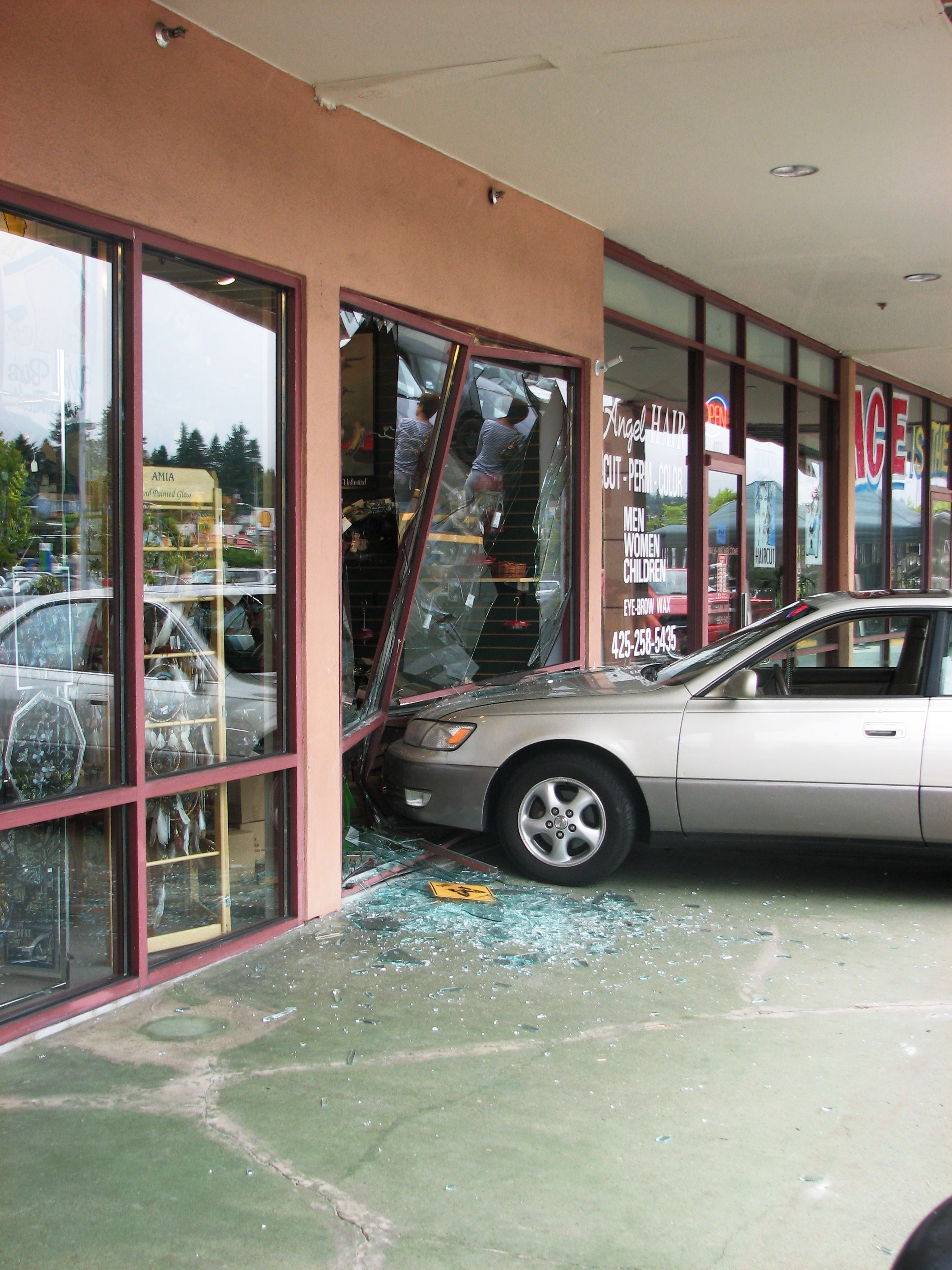
 Most states demand that businesses, regardless of size, take every reasonable action to keep their premises safe for employees and visitors. The definition of visitors is fairly loose. Basically, it is anyone not employed by the business and covered by its workmen’s compensation insurance policy.
This means that clients, customers, delivery persons, repair persons, outside maintenance contractors and anyone who comes to the business premises needs protection from foreseeable dangers.
There are different types of people who come into a business and each has a different level of required care for its class of visitors.
Invitee
This is a person whose invitation is explicit (by appointment, for example) or implicit (a customer looks at the goods and services for sale in a shop). A business owner’s duty to an invitee is to exercise ordinary care and make the property generally safe without any dangerous conditions.
Licensee
A licensee in not an invitee or trespasser. An example of a licensee is a party who enters the premises for their own convenience or gratification. Think of a person ducking into your entryway to avoid the rain. The duty of care is far less than for an invitee, and the business is only liable to a licensee for willful and malicious harm.
Trespasser
This group of people enter the premises lacking an implicit or explicit invitation. They come on the business property for their own enjoyment or benefit. The only duty of a business owner is a negative one – the business cannot build any mantraps the willfully and maliciously causes a trespasser harm. Many states have an exception to this limited responsibility; if the business anticipates, suspects or knows of the presence of a trespasser it must exercise ordinary care and avoid inflicting injury on a trespasser through any kind of active negligence.
Common Workplace Visitor’s Injuries
Slip and Fall Accidents
These are the largest cause of visitor injuries. Injuries happen when a visitor trips, slips or falls and suffer injuries. These accidents often stem from things such as uneven floorboards, electrical extension cords crossing aisles or doorways, spills or liquids on the floor, and poorly installed carpet or carpeting that has tears or rips.
Negligent Security
It is normal that businesses have a duty to their invitees to make sure they are safe from foreseeable. A business is liable for the criminal acts of a non-employee when the business fails to keep the premises safe from criminal activity. Usually claims of negligent security stem from places such as:
- Hotels
- Motels
- Parking garages
- Apartment complexes
Businesses in high-crime areas (a parking garage in such an area needs adequate lighting, video cameras and warning signs that video surveillance is ongoing, and other security measure as needed.
Attractive Nuisance
This is a legal doctrine that applied mostly to children, even if they are trespassers. Hotels with outdoor pools need adequate fencing, a pool cover, locks and lighting, as the pool is attractive for kids to try to use after trespassing.
Defective Property Conditions
Businesses are often liable for dangerous or defective conditions. These include faulty elevators, faulty escalators, crumbling stairways and more.
Speak with your business insurance advisor about these risks and how to protect yourself, your business and employees from legal liability for them.
Read more
 Despite the explosive growth of online identity theft, the great majority of personal information is stolen or lost in other ways, according to one recent study.
A nationwide survey of claims data by Travelers insurance company found that nearly three in four cases of identity fraud (73%) did not involve cyber-crime. According to Travelers, such stolen or misplaced items as wallets and pocketbooks were the most common known causes of these claims. The theft of drivers licenses, Social Security cards, or other forms of personal identification ranked second. Burglaries ranked third, followed by cyber breaches, including Internet scams and old-fashioned forgeries.
To protect yourself against all varieties of identity theft, experts recommend these guidelines:
- Check your monthly financial statements to detect any suspicious activity (in case you find any discrepancy, contact the financial institution immediately).
- Carry only essential credit cards
- Keep critical documents in a secure place
- Avoid scams by not disclosing personal information if you receive an unsolicited request
- Shred old bills and financial statements
- Store purses and wallets in a safe place
- Never print account information on an outgoing mail envelope
- Be careful about sharing personal information on social media
- Ask for a free report annually from the national credit reporting agencies.
You might also consider purchasing Identity theft insurance. Many policies provide coverage for lost or stolen funds; long distance calls to resolve, report, or discuss the fraud; the cost of notarizing fraud affidavits, certified mail, or other documents needed to restore compromised credit; loan re-application fees due to incorrect credit information; and attorney fees (if pre-approved).
For more information, please get in touch with our agency.
Read more
 Being a business without workers’ compensation insurance in California is a serious matter. If an employee is injured during the course of business duties and the business is not insured, it does not mean that the business is absolved of its responsibilities. The Uninsured Employers Benefits Trust Fund was established to ensure that employees are still compensated for their medical expenses even if the business did not comply with the law. Using the power vested in this entity, it can pursue many avenues to ensure that the injured employee is compensated, including placing a lien on the business, imposing a stop order so that the business can no longer legally and delivering fines, penalties and jail time.
If you should decide that you do not want to carry workers’ compensation insurance on your employees and one of them becomes injured or sick while on the job, you will be responsible for paying 100% of the cost of their bills. Without obtaining adequate workers’ compensation insurance, an injured or sickened employee can sue your company to obtain the funds necessary to cover their medical bills. In addition, there is the potential that your business will be fined, penalized and even more for not meeting its obligations to its employees.
The California state labor board, the Division of Labor Standards Enforcement, is responsible for ensuring that businesses comply with a range of labor standards, including having an adequate amount of workers’ compensation insurance. If the Division determine that the business was lacking in this regard, in addition to fines and penalties, it is possible that you will serve a jail sentence in the county jail. A stop order is also likely to be issued that prohibits the business from using the labor of those employees who are not covered. It is a misdemeanor to not comply with such an order.
Read more
 Sexual harassment suits may be filed against a business for any number of reasons. In fact, some employers are surprised to learn that sexual harassment charges have been filed against them because of suggestive posters, suggestive items on display in the workplace or because of lewd jokes told in the workplace. However, under California law, all of these are considered a violation of workplace rules.
Preventing sexual harassment in the workplace
Employers in California who have five or more employees are under an obligation per the laws in the state to provide a workplace where employees do not feel they are subjected to sexual harassment. It is important to note that there are two specific categories of harassment which are “quid pro quo” and “hostile work environment”. As an employer, you should be aware of what each of these terms means, specifically:
- Quid pro quo – when an employee feels they were denied opportunities for advancement or increase in pay because they refused a sexual advance on the job. In some cases, if an employee reports a sexual advance and were subsequently dismissed from their job this may also be considered quid pro quo.
- Hostile work environment – when other employees, regular visitors or others are telling offensive jokes regularly, an employee may feel the environment is hostile. Keep in mind this could mean racially insensitive jokes, jokes of a sexual nature or other behaviors an employee finds offensive.
According to the US Equal Employment Opportunity Commission, during 2011 there were more than 11,000 sexual harassment cases filed. More than 15% of these were filed by male employees. No employer, regardless of size is guaranteed to never have a suit filed against them. It is important to note, that of the more than 11,000 suits filed, settlements exceeded $52 million for suits that were found to have merit. It is imperative to verify that you have the right coverage to protect your business in the event you are sued for sexual harassment.
Read more
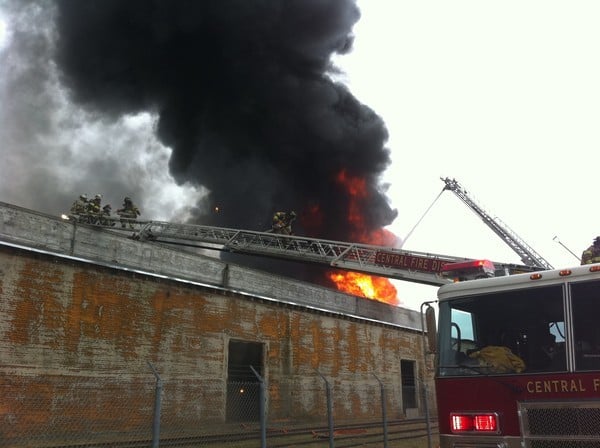 You need to protect and insure your business. Accidents happen. Fires, floods, slips, falls, sicknesses and even fatalities. They all happen. Everyday. That’s why no matter what size business you’re running, from a two-man operation or a corporation worth millions of dollars, you SHOULD ALWAYS have commercial property insurance.
Not everyone who is looking for business insurance actually understands what it is, though. Or why they need it. Here’s our brief but informative round-up of information to get you started.
3 Frequently Asked Questions about Commercial Property Insurance
My Business is Brand New…Do I Need Insurance on my Commercial Property Already?
Absolutely. Think of it this way: If you could suffer a loss then you need insurance. It doesn’t matter if you’re on day 1 of business or day 1000…you need the insurance.
If I Work From Home Do I Still Need Commercial Property Insurance?
Yes. In most cases you’ll only be insured and reimbursed for up to $2,500 of damage or loss to business assets that occurr within a homeowner’s insurance policy. It is best to purchase additional insurance and protection under your home coverage or add on a commercial property insurance policy to cover anything over the $2,500 amount.
What Steps Can I Take to Lower My Commercial Property Insurance Premiums?
Every policy and insurance premium is based upon the amount of risk involved. Show high risk and you’ll pay more. Mitigate that risk and you’ll pay less. Here are some simple steps you can take to mitigate the risk and lower the premium on your commercial insurance policy:
- Have a well-lighted work place (in and out).
- Keep electrical systems maintained.
- Install adequate sprinkler and fire safety systems.
- Teach and preach on the job safety to every employee and keep records of safety training.
- Keep the minimal amount of cash needed on hand. Make daily or twice daily bank deposits.
Those are our most FAQ and the answers we give. If you have any more questions or require any further detail, please contact and ask.
Source: http://legalzoom.com
Read more
 Owning a home is a lot of responsibility and with that comes great reward too. Many love the sense of security home ownership offers as well as the financial benefits of maintaining an asset over the long term. However, there are many headaches and challenges that potentially can arise with owning a property – there’s no landlord to call. Many homeowners carry an insurance policy to protect their assets if an unfortunate event occurs – water damage, broken pipe, structural damage, fire, or other unforeseen circumstances. This has become common knowledge, but are personal belongings and valuable collections also covered?
At the basics, a homeowners policy is in place to reimburse owners for damages caused to the property and belongings in that property. For example, if a home has a small electrical fire, in which the smoke caused terrible damage to the walls and furniture. The likelihood is that repainting and cleaning expenses are covered under the policy, in addition to structural repairs. A home guards valued possessions and even prized collections. What protects those collections if water damage destroys an art collection, gun collection, or other valuables? Is a homeowners policy enough to protection? The answer is, no. When a collection grows past a basic threshold, typically $1,000, the items must be listed in a separately purchased rider for the collection.
The situation of improper insurance coverage typically occurs because homeowners set it and forget it. This means that the policy is purchased at the time the home is purchased and year after year the same policy is renewed. Having a policy is better than no policy, the problem is that the home evolves, assets grow and the original policy becomes outdated. This is why it is vital to have an insurance agent periodically review your policy. Having a professional evaluate a homeowners current state of affairs is the best way to prevent unfortunates scenarios of improper coverage.
Content provided by Transformer Marketing.
Read more
