11 years ago
·
by
Shawna Kreis ·
Comments Off on What is hired and non-owned auto liability insurance?
 Auto insurance can be a bit tricky when it comes to your employees. While you might think that they are covered under your basic auto insurance policy you have for your business when they are on the clock, there are times when your employees might not be. When using a business vehicle to complete business-related activities, your employees are covered if they happen to get into an accident or otherwise cause damage. When the same activities for your business are undertaken while they are using their own private vehicles or a rental car, though, the rules are a bit different. This is where hired and non-owned auto liability insurance kicks in.
Why Choose Hired and Non-Owned Auto Liability Insurance
In most cases, your employee’s own private insurance will provide enough coverage to account for any damages that are caused while they are completing business. In today’s litigious-minded environment, however, the costs of any accidents or damage could easily exceed the limits that are in place on your employee’s coverage. Hired and non-owned auto liability insurance provides you with that necessary extra layer of coverage that protects your business.
Coverage Details
Hired vehicles that are covered by such a policy include those that are borrowed or rented while the non-owned vehicles portion covers those vehicles that are owned by people besides the business — including your employee’s vehicle. While this type of coverage is usually added as a rider to your business insurance policy, your insurance company can also add it to your general insurance policy if you do not have a separate business policy. Doing so protects your business if your employees get into an accident while using a non-business vehicle and supplements the policies provided by rental car agencies.
Read more
11 years ago
·
by
Shawna Kreis ·
Comments Off on What’s the difference between Bodily Injury coverage and Med Pay?
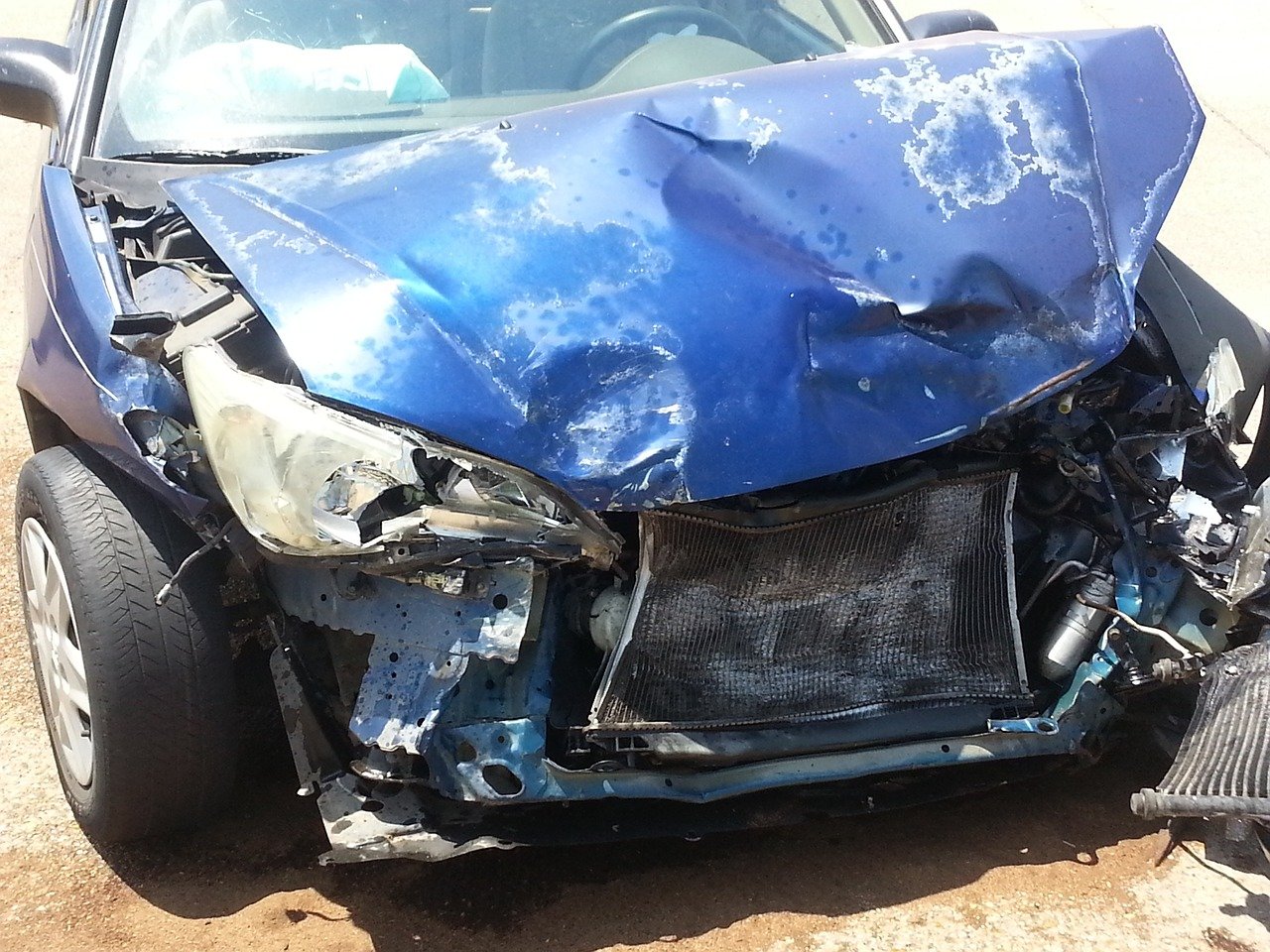 It can seem like bodily injury coverage and medical payments coverage are one and the same. After all, most people who are injured in an accident are going to have some type of bodily injury that requires them to seek medical care. The injured person would then seek out payment for that medical care from the appropriate insurance company. In actuality, though, these are two vastly different — and necessary — types of insurance.
Bodily Injury Coverage Explained
Bodily injury coverage is solely for those injuries incurred by other people that have been caused by you or other people on your insurance policy. If you or someone who is on your insurance policy is found to be at fault as the result of an accident, bodily injury coverage will pay out. Like nearly all states in the country, California requires that you maintain a certain amount of bodily injury coverage.
Medical Payment Coverage
While medical payment coverage is similar in that it pays out to a person who is injured during an accident, there the similarities end. This type of insurance pays for reasonable medical expenses to you as well as any passengers who were in the vehicle with you. Medical payments coverage pays out regardless of who was at fault for the accident.
In California, the minimum amount of bodily injury coverage you must maintain is $15,000 for one injured person and $30,000 for all injuries combined. Any expenses above those amounts would be your responsibility. While those amounts might seem high, considering how expensive healthcare is these days, you might want to make an appointment with your insurance company to go over your policy to make sure you have the right coverage.
Read more
The trees in your yard can enhance your property, provide shade and offer abundant environmental benefits. However, trees can also pose a safety hazard to your family and your home if they are not properly inspected and maintained.
Trees can present a particularly significant danger during a storm. Wind, lightning, snow and ice can all transform a tranquil row of trees into an imminent threat to your property. Proper tree maintenance involves more than pruning and trimming overgrown branches. These are some of the key steps you can take to protect your trees and prevent them from becoming a safety hazard.
Read more
“811” number makes it easy to Call Before You Dig.
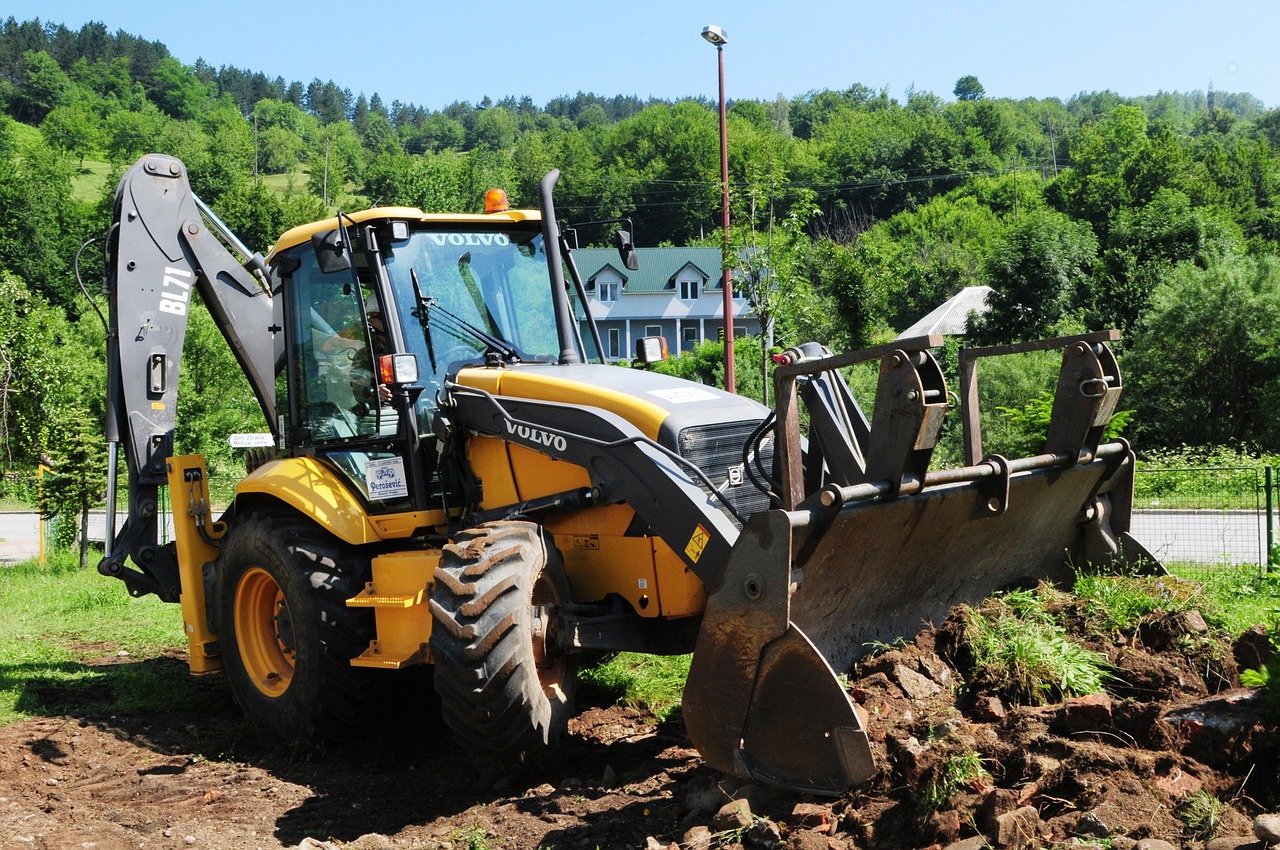 One Number for All States
811 is the national “Call Before You Dig” phone number designated by the Federal Communications Commission. This number was developed to eliminate the confusion of multiple “Call Before You Dig” numbers because it is easy to use, remember and it is the same for every state.
Why Call 811?
It is important to call 811 before digging so that professional excavators and do-it-yourself homeowners are aware of any underground lines buried in the area. This information can help protect people who dig from injury, expense and penalties. Damages to underground lines can disrupt service to an entire neighborhood, harm diggers and cost diggers fine and repair costs. Hopefully this number will increase awareness and create a positive behavioral change.
What Happens After Calling 811?
Similar to the current “Call Before You Dig” numbers, all 811 calls will be routed to a local One Call Center and the affected utilities. The utility will then send crews to the location to mark any underground lines for free.
Do Most People Call Before They Dig?
Believe it or not, the answer is “no.” According to a recent national survey, roughly half of all Americans are “active diggers,” yet only one-third have called to get their utility lines marked.
How Is 811 Being Promoted?
The Common Ground Alliance (CGA) is an organization created in 2000 to prevent damage to underground infrastructure, reduce service disruptions, save lives and improve safety practices industry-wide. The national 811 number provides a once-in-a lifetime opportunity to focus national attention on the importance of calling before digging. CGA is working with its members, sponsors and national launch partners to increase awareness about calling 811 before digging.
More Information
For more information about the 811 call system, visit http://www.call811.com. To download the most current industry Best Practices in connection with preventing damage to underground facilities, go to http://commongroundalliance.com/.
†Source Common Ground Alliance, 2010 Damage Information Reporting Tool (DIRT) Annual Report(pdf)
The information on this site is general in nature. Any description of coverage is necessarily simplified. Whether a particular loss is covered depends on the specific facts and the provisions, exclusions and limits of the actual policy. Nothing on this site alters the terms or conditions of any of our policies. You should read the policy for a complete description of coverage. Coverage options, limits, discounts and deductibles are subject to availability and to individuals meeting our underwriting criteria. Not all features available in all areas.
Read more
 Milder days offer a prime opportunity for spring cleaning and home maintenance. After a long winter, be sure to spend some time on preventive measures that will help maintain your home and property all year long. From cleaning out your gutters and checking for dead trees and branches, to cleaning and inspecting your home mechanical systems such as your heating and air conditioning equipment, we offer ways to help make spring a season of safety.
Inside Your Home
- Check your electrical outlets for potential fire hazards, such as frayed wires or loose-fitting plugs. Make sure outlets, fuse boxes and extension cords are not overloaded.
- Move your multi-purpose fire extinguisher to an accessible place, and make sure it is filled and ready for operation.
- Have your air-conditioning system inspected by a professional as recommended by the manufacturer.
- Check your water heater for leaks and corrosion.
- Clean or replace your furnace filter.
- Clean the clothes dryer exhaust duct and space under the dryer. Remove all lint, dust, and pieces of material.
- Inspect your smoke detectors. Make sure there is one on each floor of your home. Test them monthly, and change the batteries annually or as needed.
- Check the light bulbs in all your fixtures. Be sure they are the correct wattage as recommended by the manufacturer.
- Replace all high-intensity bulbs with fluorescent bulbs. Other types of bulbs, like incandescent, produce more heat than fluorescent bulbs.
Outside Your Home
- Check for damage to your roof.
- Clean gutters and downspouts to keep debris from accumulating.
- Remove dead trees in your yard.
- Keep healthy trees and bushes trimmed and away from utility wires.
- Safely store oil and gas for lawn equipment and tools in a vented, locked area.
- Repair cracked, broken or uneven driveways and walkways to provide a level walking surface.
Read more
 We advise boaters to take necessary precautions to be safe during the summer season, the time of year when boat accident claims increase in frequency, according to an analysis of claims incidence at Travelers, a leading provider of boat and yacht insurance.
“Substantially more people are on the water during the summer, so that is the time boaters should be extra careful to protect their family, friends and watercraft from a loss,” said Tony Scurich of Scurich Insurance. “It’s also a good time to review your boat and yacht insurance with an independent agent to be sure you have adequate coverage.”
We recommend the following boat safety tips:
- Wear a life jacket: 80 percent of drowning victims were not wearing a PFD (Personal Flotation Device) or life jacket. Most states require that children under a certain age wear a life jacket and that every boat be equipped with one life jacket per passenger.
- Take a boating course: Even if your state does not mandate the completion of a boating course prior to obtaining your boating license, both you and your passengers will benefit from a formalized course. To learn more about boating safety classes, visit http://cgaux.org/boatinged.
- Schedule a vessel safety check: The Coast Guard auxiliary offers free safety checks. For more information, visit www.vesselsafetycheck.org/getvsc or http://www.uscgboating.org/default.aspx.
- Equip your boat with an emergency kit and be familiar with how to use each of the items. Travelers recommends including the following: fire extinguisher, first aid kit, visual distress signal and/or a Coast Guard-approved throwable PFD, such as a life ring or a horseshoe. Organize an emergency plan and make sure that passengers are familiar with it. Remember to test equipment and be knowledgeable of the suggested guidelines for usage and replacement.
- Be prepared for the weather: Check the weather forecast before going on the water and be equipped for changes.
- Know where you are: The Coast Guard recommends having charts, a GPS (Global Positioning System) and a reliable means of communication on board.
- Know how to contact the Coast Guard: Marine radio is the preferred method to communicate on the water because it broadcasts to other boaters in the vicinity. If using a cell phone on the water, test it for a maritime emergency by dialing *CG (*24). There is no charge or penalty for calling to test the signal.
- Do not drink and drive: According to the Coast Guard, a boat operator with a blood alcohol level of .10 percent is 10 times more likely to be killed in a boating accident than a boat operator with a blood alcohol level of zero. Operating a boat while drinking is illegal in several states. Remember that the effects of alcohol are exacerbated when combined with sun exposure and being on the water.
Established in 1924, Scurich Insurance is an independent insurance agency offering a full range of insurance products including Auto, Home, Life, and more…
For information and quotes on insurance coverage, please visit
Scurich Insurance at 320 East Lake Avenue, Watsonville, CA 95077-1170 or call (831)-722-3541.
About Travelers
The Travelers Companies, Inc. (NYSE: TRV) is a leading provider of property casualty insurance for auto, home and business. The company’s diverse business lines offer its global customers a wide range of coverage sold primarily through independent agents and brokers. A component of the Dow Jones Industrial Average, Travelers has operations in the U.S., Canada, U.K. and Ireland. For more information, visit www.travelers.com.
Read more

