 Valued at $46.2 million, the Graff Pink diamond is one of the most expensive pieces of jewelry in the world. Your jewelry box might not hold anything that priceless, but you certainly want to insure your valuable or sentimental pieces, including the diamond cufflinks you wore at your wedding or your grandmother’s ruby brooch.
1. Hire an Independent Appraiser
An independent appraiser will carefully and thoroughly inspect each piece of jewelry you own, and he or she will then determine the exact value of your works of art. Be sure to obtain a signed document that includes a detailed description and appraiser’s value for each piece.
2. Check Your Current Insurance Policy
Most homeowner or renter insurance policies include cash value or replacement coverage for personal belongings. As long as that figure is high enough to cover everything you own, including your real jewelry, you’re set.
3. Purchase a Rider
If your current policy does not cover your valuable gems, purchase a rider. It offers additional coverage for your precious collection.
4. Take Pictures of all Your Pieces
The police need detailed descriptions of your jewelry if a piece is lost or stolen. Take detailed pictures of each piece to increase the likelihood of recovery.
5. Update Your Inventory Regularly
Once you’re sure your jewelry is adequately insured, mark your calendar for an annual inventory review. Add new pieces you recently purchased and remove pieces you sold or gave away to ensure your collection is completely covered.
6. Inspect Your Jewelry
As part of your annual review; take your jewelry for an inspection. The jeweler will look for loose settings, chips or scratches. Take new pictures after any needed repairs are made.
7. Store Your Jewelry in a Safe Place
Insurance will replace your real jewelry if it’s lost, stolen or damaged, but don’t take chances. A fireproof safe hidden in your home or a safety deposit box at the bank protects your gems, especially if you own expensive pieces that you wear only on rare occasions.
You do not want to file a claim for stolen jewelry and find out it wasn’t insured. Follow these tips and talk to your insurance agent today as you protect your valuable collection.
Read more
 Whether you received valuable collectibles or heirloom jewelry, you’ll want to insure these holiday presents. Your homeowners or renters insurance policy may provide coverage for some of your new items, but anything above the existing coverage limit requires a personal articles floater. Consider specific gifts that you’ll want to insure this year.
Jewelry: Your homeowners insurance policy should cover jewelry valued at less than $2,000. However, appraised jewelry that’s more valuable will require a floater.
Furs: From a real fur jacket to a fake fur-trimmed hat, add any furs you receive to your homeowners insurance policy.
Fine Art: Paintings, sculptures, rare books, manuscripts, ornamental collectibles, glasses and antique furniture fall under the fine art category. Record these items and their value on an itemized schedule attached to your insurance policy.
Electronics: Laptops, cameras, TVs and other electronic devices, plus telescopes, video recording equipment and films, are typically included in your existing homeowners or renters insurance policy. If these items are high-end, consider a floater.
Coins or Stamps: Depending on their value, you’ll want to add a floater for new coins or stamps in your collection.
Musical Instruments: List any musical instruments, including sound equipment, on a floater.
China, Crystal or Silverware: List these items on a schedule and include the insurance coverage amount.
Sporting Goods: Bicycles, golf equipment, guns and other sporting goods fall under your existing insurance policy unless they’re collectible, rare or expensive.
Tools: Insured under your homeowners or renters policy, your new tools won’t need a floater unless they exceed the value of your existing coverage.
As with everything in your home inventory, record a detailed description, serial number, purchase date, value and picture of your new holiday presents. Store copies of this information with your insurance policy in a fireproof safe and in a secure location other than your home.
Go ahead and enjoy your new holiday presents. Just remember to check with your insurance agent to be sure they’re covered.
Read more
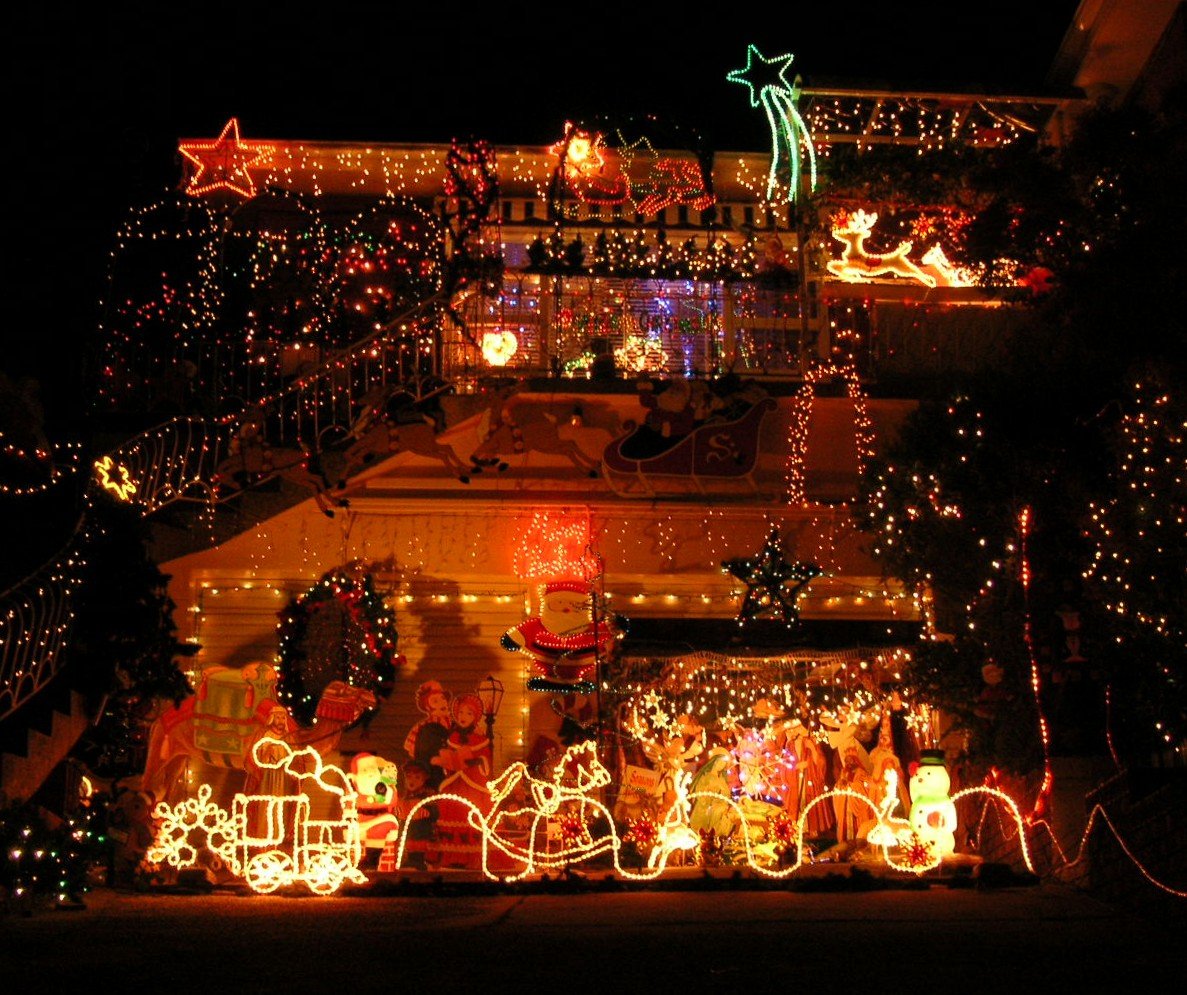 The holidays simply would not be the same without lots of bright lights. Not only do they add to the festive look of this time of the year, they also bring back many memories. There are a lot of people who think the holidays are not complete without tons of lights strung everywhere.
With all those lights, though, you might come to an unpleasant realization when you plug in some unrelated electrical device and you find yourself in the dark. Overloading your circuits is easier than you might think. There are safety mechanisms put into place in electrical systems that are correctly installed, but losing a section of the electricity in your home when you plug in that last string of lights can put a damper on your holiday celebration.
While implementing a temporary fix to your overloaded circuits is pretty easy, a long term solution that works year after year is always best. If you find yourself flipping breakers – for more modern homes – or blowing fuses – for those older homes that still use them – then simply unplug a few items, flip the breaker or replace the fuse and move on. As for those devices that you had to remove from the overloaded circuit, resist the urge to use electrical cords that snake throughout your home since they will only add to the list of potential hazards.
Instead, opt to move them completely. Before bringing out the lights and other decorations that require electricity, make a plan for the outlets that you do have. While you can add a power strip to one outlet to increase its capacity, stick to those that have three sockets to ensure that you do not have the same overloaded circuit problem.
Because overloaded circuits are still a fire hazard – in spite of the safety mechanisms that are built into your electrical system – you will want to contact a qualified electrical contractor to have more outlets installed as soon as possible.
Read more
 If you rent out residential property, you face a variety of financial risks, everything from damage from fires and windstorms, through fines for building code violations, to a disgruntled tenant who sues you.
Landlord insurance to the rescue! These policies cover losses to the property, medical payments for tenants or visitors injured on the premises, and your personal liability for alleged negligence.
The amount of coverage depends on your financial situation. If you’ve taken out a mortgage on the property, the lender will probably insist that you buy a policy large enough to cover the loan balance. As a rule of thumb, the higher the value of the property and the greater the risk of potentially catastrophic liability, the more coverage you’ll need.
Your premium will depend on the type of losses covered and the extent of reimbursement. If you choose comprehensive or all risk coverage (which will pay for damage from all causes unless specifically excluded), your cost will be higher than if you buy “named perils” coverage (which covers only losses due to specific causes). Expect a higher premium for replacement value, which will reimburse you fully for rebuilding your property, than for actual cash value coverage, which will pay only the value of the property, less depreciation.
You can also reduce your premium by increasing the deductible (which usually range from $100 to 5% of the building coverage).
Optional coverages include repayment for rental income lost if the property becomes uninhabitable, and for risks of doing business with tenants, such as legal fees and liability against claims for libel, slander, and discrimination.
Our personal insurance specialists would be happy to help you choose the landlord coverage that offers the best value. Just give us a call.
Read more
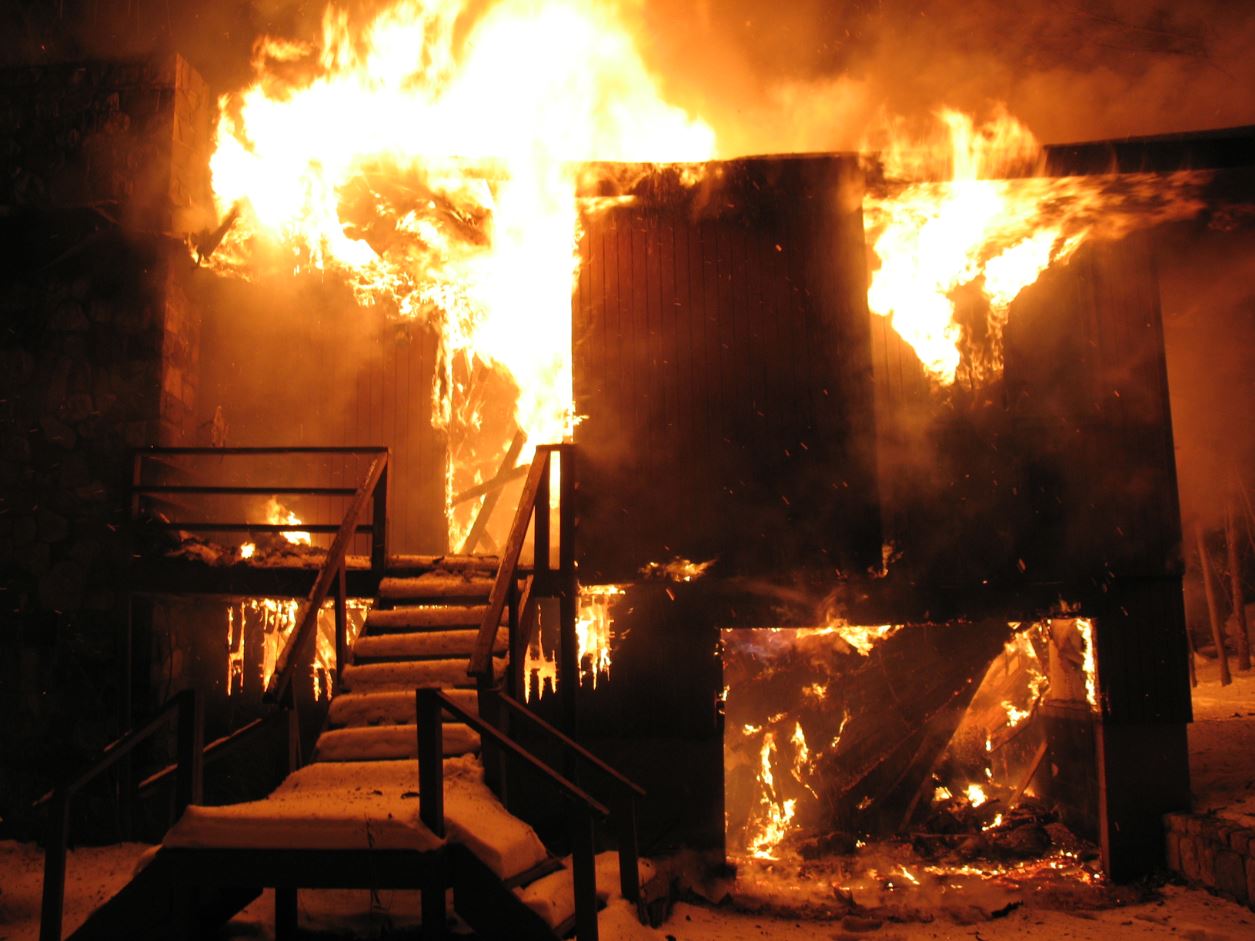 Roughly 374,000 fires occur in homes across the U.S. each year, 54% of them occur in the winter. Protect your home and family from being a statistic when you create a fire emergency plan. It helps you stay safe as you recognize Child Safety Protection.
1. Discuss Fire Safety Tips
Obviously, you want to extinguish candles, cigarettes and other open flames immediately. You also need to supervise meal prep in the kitchen to ensure nothing catches on fire. However, did you know that fabric can be flammable when it lies near the heater? Teach your family to prevent these and other fire hazards.
2. Hang Smoke Detectors
To ensure everyone can safely escape a fire, place smoke detectors on every floor of your home where you can hear them day and night. Since smoke rises, place them on the ceiling or high on the walls.
3. Locate Fire Extinguishers
Fire extinguishers need to be accessible. Place one in the kitchen under the sink or in the pantry. Other smart locations include near the entrance and exit doors and at least one on each floor. Once they’re securely attached to the wall, ensure your adult and teen family members know how to use them.
4. Choose the Exits
Your home’s layout determines where you can safely exit. In each room, choose two door or window exits that assist your family in safely escaping a house fire. If you have a second story, store an escape ladder near the window, and make sure you know how to use it properly.
5. Designate an Outdoor Meeting Spot
Whether your family meets at a neighbor’s house or a tree across the street, designate an outdoor base camp. Call 911 from this spot after everyone safely escapes the fire.
6. Practice the Plan
Even the best fire emergency plan will be ineffective if your family members don’t know what to do when a fire starts. Test the fire alarms and teach your kids what they sound like. Then, practice escaping out of the nearest exit and meeting at your designated spot.
Your family’s fire emergency plan can keep you safe as you recognize Child Safety Protection Month. Additionally, talk to your insurance agent and ensure you have adequate home insurance for your house and possessions. Insurance won’t prevent fires, but it will give you peace of mind this month and year round.
Read more
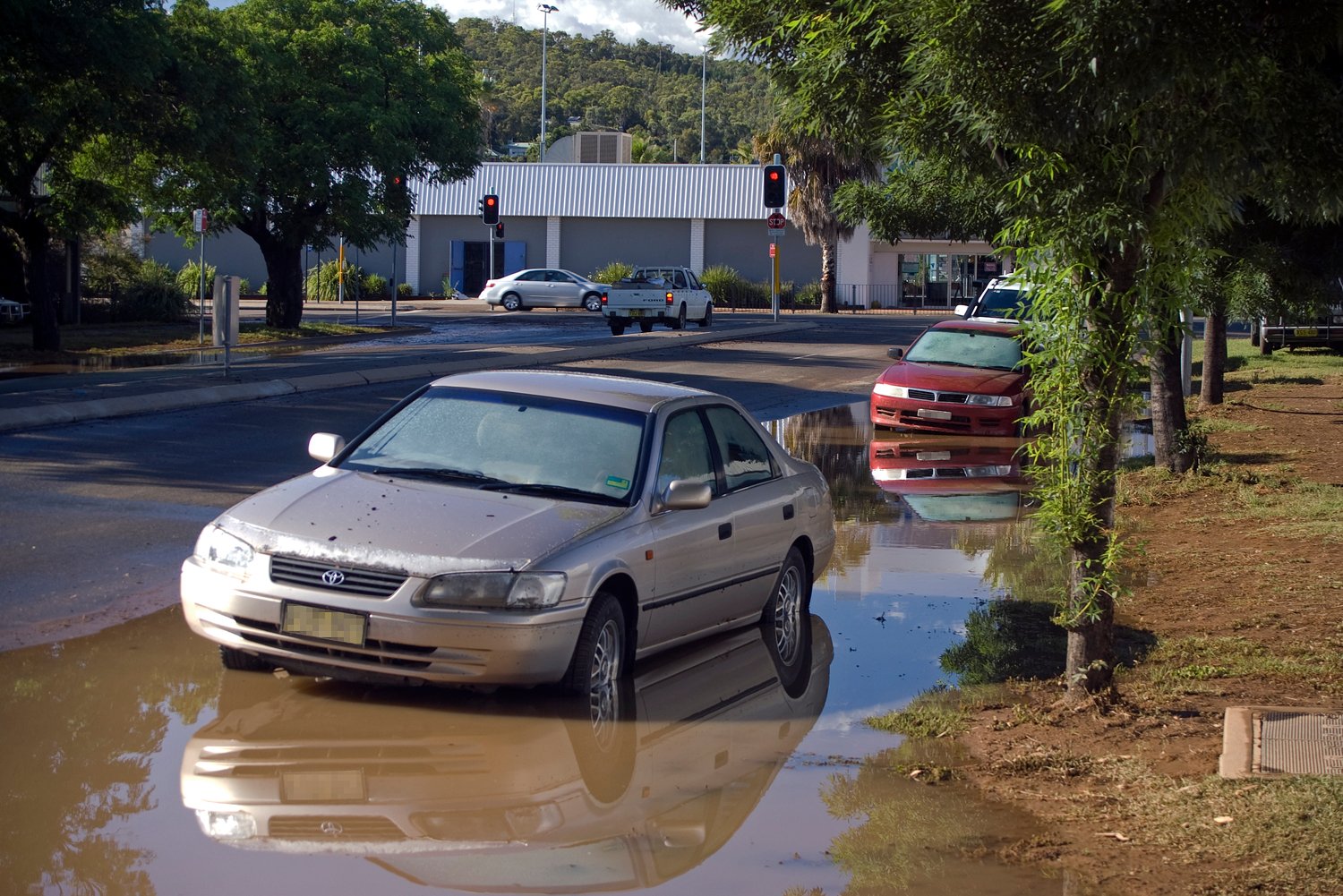 As the winter months approach, more people will find themselves driving on wet roads from the additional amount of rainfall. Unfortunately, many drivers experience rate hikes in insurance premiums as a result of minor fender-benders in the rain; however, by taking a few small steps to improve driving skills during wet roads, drivers can avoid the majority of road condition-related accidents.
Tires
Ultimately, your tires are the only real thing touching the pavement, and in so doing, they are the only thing capable of coming to a stop when you apply the brakes. Every three-months or when you have an oil change, check the tread depth of your tires. If the tread has worn away to less than one-fourth inch, you need to replace the tires. The simplest means of checking the tread depth uses a penny. Turn a penny upside-down and stick it with Lincoln’s head pointing towards the inside of the tire. If you are able to see his head, your tread is too low.
Windshield Wipers
While windshield wipers may not sound like they will prevent a terrible accident, they allow you to have clarity when driving during the rain or while the road is still wet. As the blades age, they crack, chip, and wear away. If you notice unusual streaking or a lack of removal of raindrops, you need to replace your windshield wipers. Most modern vehicles possess universal windshield wiper attachments, and you can change them in less than 5-minutes.
Headlights and Taillights
Every six-months, check the clarity of your headlights, taillights, turn signals, and any other safety lights on your vehicle. Dull lights can result in other drivers being unable to see your vehicle approaching. Furthermore, you will not be able to see the road clearly, especially during heavy rain.
Slow Down
Although making sure your tires, windshield wipers, and lights work properly, you still need to be careful with your speed when the road is wet. High speeds and wet roads result in delayed reactions to potentially hazardous situations with other drivers. Take plenty of time while driving on wet roads, and you will stay safe and keep your insurance premiums in check.
Read more
