11 years ago
·
by
Shawna Kreis ·
Comments Off on What’s the difference between Bodily Injury coverage and Med Pay?
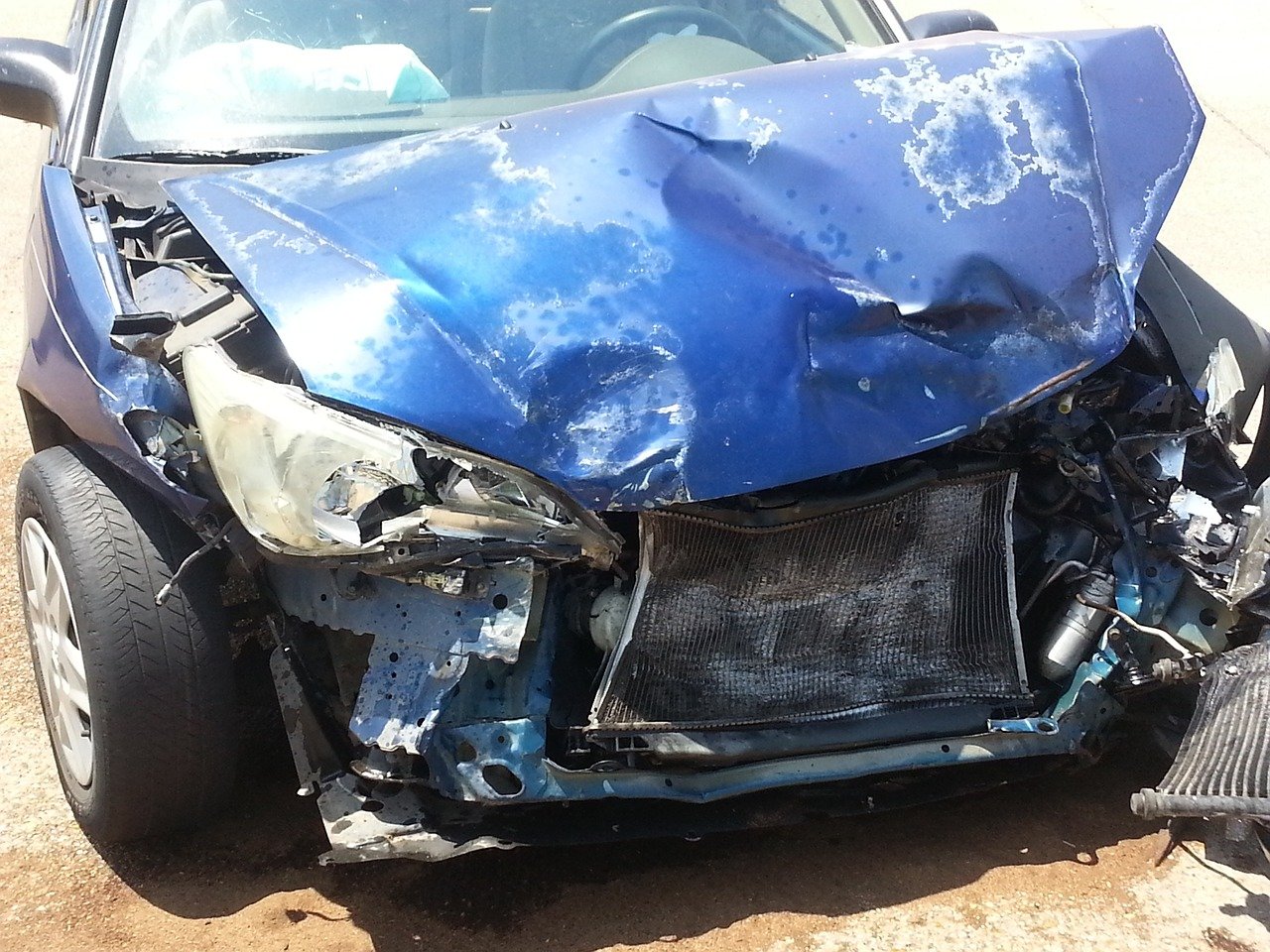 It can seem like bodily injury coverage and medical payments coverage are one and the same. After all, most people who are injured in an accident are going to have some type of bodily injury that requires them to seek medical care. The injured person would then seek out payment for that medical care from the appropriate insurance company. In actuality, though, these are two vastly different — and necessary — types of insurance.
Bodily Injury Coverage Explained
Bodily injury coverage is solely for those injuries incurred by other people that have been caused by you or other people on your insurance policy. If you or someone who is on your insurance policy is found to be at fault as the result of an accident, bodily injury coverage will pay out. Like nearly all states in the country, California requires that you maintain a certain amount of bodily injury coverage.
Medical Payment Coverage
While medical payment coverage is similar in that it pays out to a person who is injured during an accident, there the similarities end. This type of insurance pays for reasonable medical expenses to you as well as any passengers who were in the vehicle with you. Medical payments coverage pays out regardless of who was at fault for the accident.
In California, the minimum amount of bodily injury coverage you must maintain is $15,000 for one injured person and $30,000 for all injuries combined. Any expenses above those amounts would be your responsibility. While those amounts might seem high, considering how expensive healthcare is these days, you might want to make an appointment with your insurance company to go over your policy to make sure you have the right coverage.
Read more
The trees in your yard can enhance your property, provide shade and offer abundant environmental benefits. However, trees can also pose a safety hazard to your family and your home if they are not properly inspected and maintained.
Trees can present a particularly significant danger during a storm. Wind, lightning, snow and ice can all transform a tranquil row of trees into an imminent threat to your property. Proper tree maintenance involves more than pruning and trimming overgrown branches. These are some of the key steps you can take to protect your trees and prevent them from becoming a safety hazard.
Read more
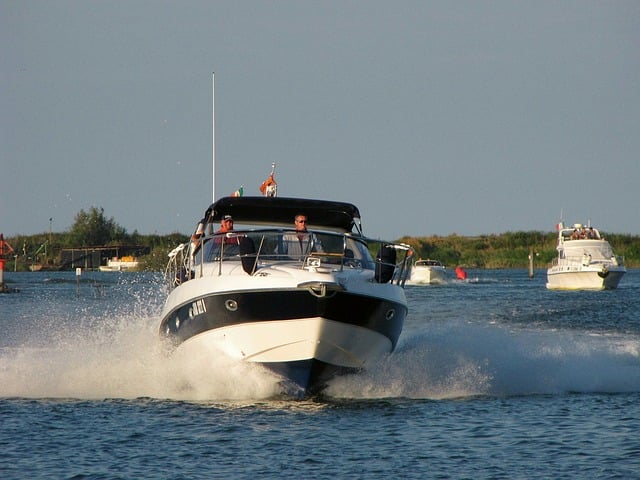 We advise boaters to take necessary precautions to be safe during the summer season, the time of year when boat accident claims increase in frequency, according to an analysis of claims incidence at Travelers, a leading provider of boat and yacht insurance.
“Substantially more people are on the water during the summer, so that is the time boaters should be extra careful to protect their family, friends and watercraft from a loss,” said Tony Scurich of Scurich Insurance. “It’s also a good time to review your boat and yacht insurance with an independent agent to be sure you have adequate coverage.”
We recommend the following boat safety tips:
- Wear a life jacket: 80 percent of drowning victims were not wearing a PFD (Personal Flotation Device) or life jacket. Most states require that children under a certain age wear a life jacket and that every boat be equipped with one life jacket per passenger.
- Take a boating course: Even if your state does not mandate the completion of a boating course prior to obtaining your boating license, both you and your passengers will benefit from a formalized course. To learn more about boating safety classes, visit http://cgaux.org/boatinged.
- Schedule a vessel safety check: The Coast Guard auxiliary offers free safety checks. For more information, visit www.vesselsafetycheck.org/getvsc or http://www.uscgboating.org/default.aspx.
- Equip your boat with an emergency kit and be familiar with how to use each of the items. Travelers recommends including the following: fire extinguisher, first aid kit, visual distress signal and/or a Coast Guard-approved throwable PFD, such as a life ring or a horseshoe. Organize an emergency plan and make sure that passengers are familiar with it. Remember to test equipment and be knowledgeable of the suggested guidelines for usage and replacement.
- Be prepared for the weather: Check the weather forecast before going on the water and be equipped for changes.
- Know where you are: The Coast Guard recommends having charts, a GPS (Global Positioning System) and a reliable means of communication on board.
- Know how to contact the Coast Guard: Marine radio is the preferred method to communicate on the water because it broadcasts to other boaters in the vicinity. If using a cell phone on the water, test it for a maritime emergency by dialing *CG (*24). There is no charge or penalty for calling to test the signal.
- Do not drink and drive: According to the Coast Guard, a boat operator with a blood alcohol level of .10 percent is 10 times more likely to be killed in a boating accident than a boat operator with a blood alcohol level of zero. Operating a boat while drinking is illegal in several states. Remember that the effects of alcohol are exacerbated when combined with sun exposure and being on the water.
Established in 1924, Scurich Insurance is an independent insurance agency offering a full range of insurance products including Auto, Home, Life, and more…
For information and quotes on insurance coverage, please visit
Scurich Insurance at 320 East Lake Avenue, Watsonville, CA 95077-1170 or call (831)-722-3541.
About Travelers
The Travelers Companies, Inc. (NYSE: TRV) is a leading provider of property casualty insurance for auto, home and business. The company’s diverse business lines offer its global customers a wide range of coverage sold primarily through independent agents and brokers. A component of the Dow Jones Industrial Average, Travelers has operations in the U.S., Canada, U.K. and Ireland. For more information, visit www.travelers.com.
Read more
Ar e you confident that your loved ones would have financial security if you were to die today? If not, consider purchasing life insurance. It pays a death benefit to your loved ones when you die, and it provides peace of mind and financial security to your survivors. Smoking, however, can limit your ability to afford life insurance.
Life Insurance is Based on Risk
Insurance companies offer a variety of policies, but they reserve the right to adjust rates based on risk factors. If you smoke or engage in other behavior that’s considered high-risk or unhealthy, expect to pay more for coverage.
Why is Smoking a Risk?
Whether you’ve smoked for years or recently picked up the habit, life insurance companies see you as high-risk. They base their perspective on two factors.
- Smoking increases potentially fatal health issues like cancer, heart disease, emphysema, chronic obstructive pulmonary disease (COPD) and asthma.
- Smoking is the leading cause of premature death in the U.S. How Much More do Smokers Pay?
Every policy is different, but on average, smokers can expect to pay around 15 percent more for life insurance. So, if a non-smoker with a similar demographic and health pays $50 per month, a smoker could pay as much as $57.50.
Is There an Affordable Solution?
Before you give up on finding affordable life insurance, shop around. Your insurance agent can assist you in finding the most affordable life insurance premium.
Additionally, remember that insurance companies factor in how long you’ve smoked and how much you smoke. While their preferred rates may not go into effect until you’ve been nicotine-free for 12 or more months, you can start maintaining a smoke-free lifestyle now by enrolling in a smoking cessation program.
You may also find affordable premium rates if you bundle your life insurance with other policies like health, home and auto.
Talk to your insurance agent today. Find the most affordable life insurance policy for you, and give your loved ones financial peace of mind.
Read more

Playing outside isn’t just for kids. It has tons of benefits for adults. One of the unexpected ones may be that it can lead to lower life insurance rates. It’s not always easy to make yourself go outside and exercise, but knowing that the effort can keep you healthy and save you money can be enough for you get off the couch. The more fun you have exercising, the better the results will be.
Benefits of Exercise
Exercise burns calories and improves your health. Since life insurance rates are based on your health risk factors, regular physical activity can help lower your life insurance rates. These are some of the benefits of exercise.
* Lower risk for heart disease and stroke.
* Lower blood pressure.
* Lower blood sugar levels and risk for diabetes.
* Stronger bones.
* Better mood.
* Clearer mind.
Make a Commitment to Exercise
Set aside some time to exercise most days of the week. Aim for 30 to 60 minutes, but even 10 minutes is better than nothing. The trick is to find some activities that you love, and any activity that is fun and gets you moving is a good choice. These are some options.
* Walk, jog, bike, swim laps, or hike.
* Join a local sports league. On the days your league doesn’t meet, train for your sport by doing drills, lifting weights, and getting in some cardio.
* Take Zumba, boot camp or kickboxing in the park.
* Go surfing.
Take Advantage of Your Kids!
If you have children, they’re probably a significant reason why you have life insurance in the first place. Why not use them to help you get in shape? They’ll keep you laughing while you exercise.
* Play Tag, Follow the Leader, or Hide-and-Seek with younger children.
* Play catch, shoot hoops, or kick a soccer ball with older children.
* Walk around the field at your children’s sports practices, and run to chase any stray balls.
Everyone can find an activity that they love as long as they keep searching for it. Keeping yourself in shape will give you more energy and can keep your life insurance rates down.
Read more
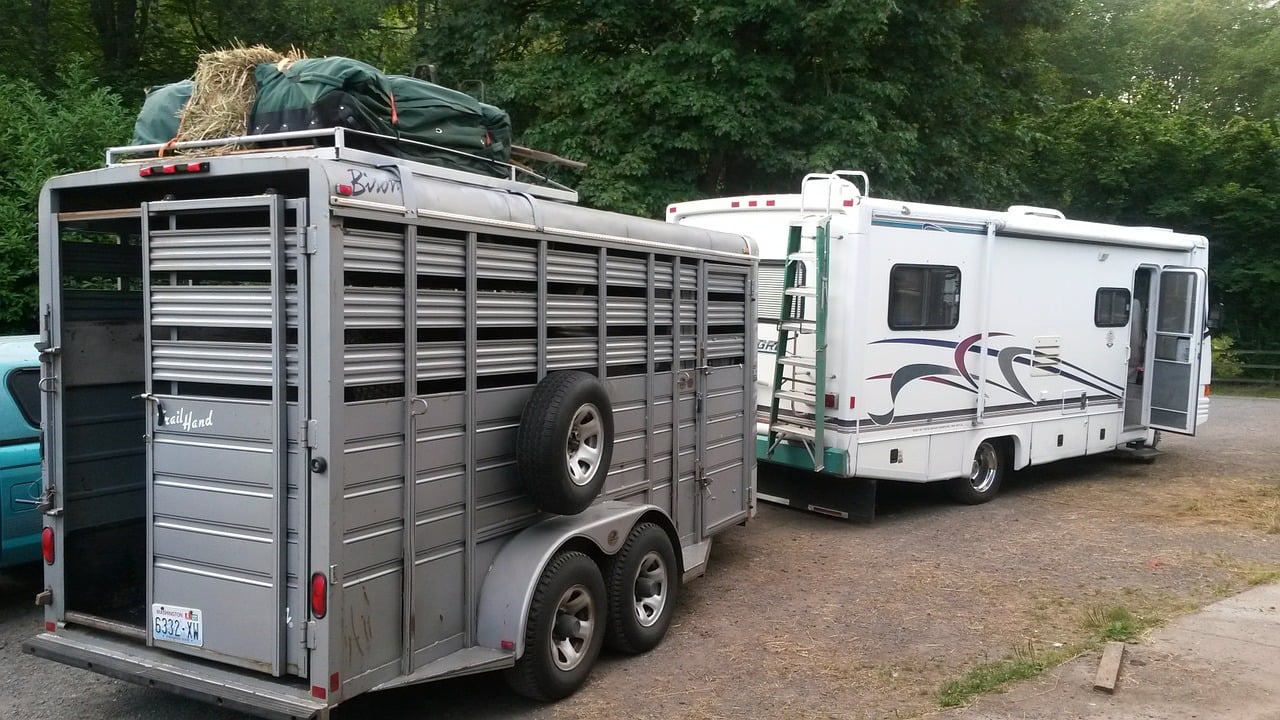 Taking your fun off road ratchets up the fun quotient considerably. There is nothing quite like the thrill of hitting the rugged trails and backwoods roads in your ATV or dirt bike. Keep the fun flowing all year round by making sure that you have the right insurance before you head out on your favorite recreational vehicle.
Don’t Make Insurance Assumptions
The last thing you want to do is assume that your current insurance will cover any mishaps that might occur involving your ATV or dirt bike. The reality is that this is not likely to be the case. In nearly all instances, your homeowners’ insurance and auto insurance will not cover any damages incurred by or to your off road recreational vehicles. For example, if you wreck your ATV on your own property, it is not likely that your homeowners insurance will pay for it.
Taking Your Recreational Vehicles out in Public
California is blessed with a gorgeous climate and many different types of terrain. Taking your dirt bike or ATV to one of the many recreational areas that exists within the state adds variety to your hobby time while also giving you much needed space to test your speed and agility. Before you make plans to do so, though, you need to make sure that you have the necessary insurance as required by California.
Specialized Insurance for Specialized Equipment
Speaking with your insurance company about your ATVs and dirt bikes can help them craft a unique insurance plan for you. This plan will provide you with the liability, collusion and comprehensive insurance that covers any issue that might arise while you are enjoying your hobby.
Read more

