 Riding ATVs with your buddies or family combines the thrill of the great outdoors with the power of a four wheeling machine. Insurance protects your investment if it’s damaged or stolen, and some riding clubs require insurance before they’ll allow you to join. Lower your ATV insurance premiums with seven tips.
1. Buy a utility model. Sporty models or ATVS with bells and whistles look and ride nice, but they may cost more to insure. Utility models are often economical to insure. Likewise, keep in mind that the ATV’s mileage, condition and age also affect your premium.
2. Take a safety course. Most ATV dealers offer safety courses that include a book test and riding instruction. Your insurance company may reward you and anyone who shares your machine for knowing how to navigate your ATV safely in all terrains.
3. Maintain a clean driving record. Your insurance premium stays low when you operate the ATV safely and only on grounds where you have permission to ride legally.
4. Store your ATV safely. Locking your toy in the garage and installing an anti-theft device on it can reduce your insurance costs.
5. Compare policies. Different insurance companies offer different deductibles, coverage options and rates, so take your time and comparison shop.
6. Use one company for all your insurance needs. Most companies give you a discount when you combine, home, auto and ATV insurance.
7. File claims only when you have to. You pay for insurance so that you can file a claim if you have to, but don’t file for every little damage or your premium will rise.
If you love riding your ATV, make sure it’s properly insured. Then, use these seven tips to obtain a lower premium. Call us today for additional information on how we can help you find the affordable ATV insurance coverage you need.
Read more
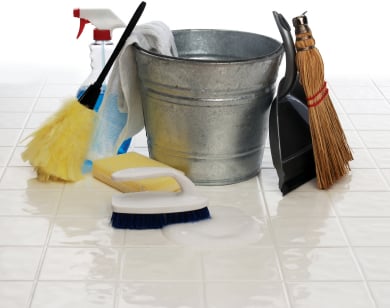 Spring cleaning does more than remove dirt and grime left over from winter. It also protects your house and reduces maintenance costs. So, try four spring cleaning tips this season as you cleanse your home.
1. Wash walls, windows and baseboards.
Often overlooked during weekly cleaning, the walls, windows and baseboards of your home harbor plenty of dirt and dust. Wash them at least once a year to ensure they look nice and to protect their finish.
*Move the furniture away from the walls, and wipe down the walls with a slightly damp cloth or magic eraser.
*The baseboards are also easy to wash off with a damp cloth. A toothbrush reaches into all the crevices.
*Use vinegar on the windows instead of glass cleaner to cut through accumulated dirt and prevent streaks.
2. Scrub the carpet.
Accumulated dirt, pet dander and odors can quickly ruin your carpets. Instead of merely running the vacuum each week, deep clean the carpets at least once a year. You can easily rent a carpet cleaner and do the job yourself or hire a professional cleaner as you prolong the life of your floors.
3. Care for furniture.
Modern or antique, your furniture will last longer when it’s free from dirt. Take time this spring to wipe off each piece from top to bottom. Use a soft cloth on wood to prevent scratches, and remember to spot treat dirty upholstery, flip the cushions and repair any tears or holes in the fabric.
4. Reduce clutter.
In addition to attracting pests and rodents, clutter reduces your ability to exit your home in an emergency. Commit to tossing or donating clutter like piles of books, excess furniture or anything you haven’t used in six months. Your home will thank you.
With these four spring cleaning tips, you’re able to reduce maintenance costs over time. So, look forward to protecting your home this season.
Read more
 Given the ever expanded concept of what constitutes a disability, employers will continue to face an ever growing compliance challenge. Here are some basics to be remembered:
- Knowledge of the need to accommodate an employee can come from numerous sources including a work comp claims manager, a company supervisor or manager, HR, the employee themselves, a union rep, a doctor, poor performance, simple observation, or some kind of hotline call.
- To have a good process, it must be laid out step-by-step with supporting documentation.
- Be interactive. Remember the rule that the first to give up on the dialogue process generally loses.
- Have appropriate education and training. For example, HR could create a simple video to help employees with the accommodation process.
- Allow managers to engage in simple, easy and quick accommodations.
- Proper documentation of all steps in the process.
- Ongoing communication, monitoring, feedback, and improvement.
The accommodation process begins with a needs assessment. This means a thorough review of the job description and duties and a clear understanding of the employee’s limitations including potential absences etc. Remember you can accommodate an employee by the following means:
- Changing facilities or equipment
- Job restrictions
- Modifying schedules
- Modifying a test, training, or policies
- Offering vacant positions within their skill range
- Offering temporary positions (the ADA does not require you to create a new position for an employee)
- Support including readers, interpreters, or even dogs
- A leave of absence
- Any other idea that would generate a reasonable accommodation
Proper documentation of any undue burden
One of the biggest mistakes an employer makes is to assume in advance that an accommodation would create an undue burden. If the request is reasonable, the best approach is to let them try it and to be clear about performance standards. Document any shortcomings their accommodations may be causing and continue to communicate about ways to elevate them.
There is extensive material on the ADA on HR That Works including flow charts, checklists, forms, and policies to use. There is also training you can provide your managers (a good idea). Also remember if you have over 50 employees the FMLA may allow an employee who has serious medical condition up to 12 weeks of leave which they may use instead of accepting an accommodation.
Read more
People are losing jobs to robots and technology at an accelerating rate. Have you used one of those self-serve checkout stands lately? One was installed at my local CVS only 3 months ago. Awkward at first but seems like old hat now. The manager there told me the new system allowed him to let two full time clerks go. Two jobs lost to robots and their technology that will never reappear. Here’s just some of the other jobs that are suffering the same fate as retail clerks:
- Pharmacists
- Soldiers
- Reporters
- Drivers
- Fast food workers
- Assembly workers
- Bank tellers
- Secretaries
- Stock traders
- Warehouse workers
- …and there is more
Technology alone changes the employment landscape. Objects like the iPhone have the consequence of laying off Kodak workers, as well as workers in the mapping, printing, alarm clock and record industry.
I recently listened to an interesting podcast (all Radiolab podcasts are interesting!) about work in a shipping warehouse for online mega-providers, such as Amazon. If you thought stop watches were banned in the workplace at the beginning of the last century, guess what – they’re back! Technology, along with its gamification, is reducing worker output to a competitive logarithm using the most minute of performance indicators.
Years ago Buckminster Fuller (otherwise known as “Bucky”) surmised that the rise of computers and technology would bring use to a place where it is inefficient to have full scale employment. It would actually be cheaper to pay people to stay at home. And we are getting there. Even in a “good” economy we have 7% unemployment. And we are being asked to pay for those folks who have to stay at home…because there are no jobs. This has more to do with the macro-economics of production than it does anything a politician can influence.
While Bucky believed that less is more, most folks don’t think that way. In their idleness they will want to be serviced, entertained and otherwise cared for, by a growing service class economy. So the fantasy of growing the middle class back to where it was before all these technology changes is a pipe dream. A political football divorced from reality. There will be a continued division between highly paid knowledge workers and low paid service workers. Sooner or later we will end up paying service workers to stay home or do some form of public service.
As we march forward you will either be a highly paid knowledge worker who cannot yet be replaced by a machine or a low paid service worker who cannot yet be replaced by a machine. That’s true for your kids’ future too!
FYI – Looks like John Henry would be out of a job today. Now trains lay their own tracks http://www.wimp.com/traintrack/
Read more
 You might be wondering why you even need to think about disability insurance in the first place. After all, your employer offers you this type of insurance so you should be covered if you have to be out of work due to illness or injury. Unless you are well-versed in the intricacies of your particular insurance policy, though, you could be unpleasantly surprised if you are out of work for an extended period of time.
Your First Steps
The first thing you should do is go over your current insurance policy. If your employer provides disability insurance, then you have some coverage. It is likely not to be enough, though. Most employer-provided insurance policies offer only short term disability. This coverage is often only for the short term and phases out after about six months. Long term disability — the type that kicks in after you reach the time constraints of your short term insurance — often lasts only five or ten years.
Think Long Term
It is easy to become complacent and think that you will never need long term disability insurance. Many catastrophic accidents, injuries and illnesses, though, can make you unable to work at your previous potential for a number of years. For the best protection, you need to make sure that your long term disability insurance covers you until at least the age of 65. After that, social security officially kicks in to provide you with the coverage you need.
In order to meet your responsibilities, you need to think in the long term. Talk to your insurance agent today to build a plan for both short and long term disability insurance that will protect your family and everything you have worked so hard for.
Read more
 You know you should probably get disability insurance at some point. After all, you never know when an accident or illness will make it difficult for you to work. With both short and long term policies available, however, the choices can be confusing. Knowing the differences between these polices will help you sort out which one is better for you.
The Long and Short of It
Short term disability is insurance that kicks in once you have exhausted the sick days available from your employer. Though policies vary, short term disability typically last about six months. While you might see payments that are nearly the same as your usual salary early on, they are often reduced to a percentage of that amount within a few weeks.
Long term disability is designed for those catastrophic events that have the potential to mark the end of your paycheck-earning days. In many cases, long term disability begins when short term policies end. While some plans last only five to ten years, a more viable long term disability insurance policy lasts at least until you are 65 years of age.
You Need Both for Complete Coverage
Given the overview outlined above, it is easy to see the place for both types of insurance in your life. Short term disability insurance is the ideal way to ensure coverage if you come down with pneumonia that sends you out of work for two weeks when you have already used up nearly all your sick days. Long term disability insurance is vital if that bout of pneumonia turns out to be a more serious illness that requires extensive care that could result in you being out of work on a permanent basis.
Protect your assets and your family by ensuring that you have the necessary insurance coverage should you find yourself unable to work.
Read more
