 Ringing in the new year often means that it is a great time to take an inventory of your business. Far beyond simply an inventory of any supplies that you might possess though, a thorough inventory of your business practices could bring to light some weak spots that could stand to be shored up. Periodic examinations such as these can help make your business both stronger and more successful.
As April 15th, Tax Day, quickly approaches, many businesses spend a great deal more time scrutinizing their financial records. While this is a job that can certainly be overseen by you, for the most objective view of your financial situation, enlist in the help of an outside agency. The company that you entrust with completing your taxes each year can be a good resource for this type of review.
The business insurance policy you have in place is a crucial element of its success. Not only does it protect you in the event that something unexpected happens, it also ensures that your employees are treated well, giving your company the reputation of being a great place to work. Each year, though, it is a good idea to make an appointment with your insurance carrier.
At this appointment, you and the representative from your insurance company can go over your business insurance policy to ensure that it is still providing the type of coverage that meets the needs of your business. New regulations regarding the insurance industry as well as laws that could potentially affect you are often implemented at the beginning of the year. Working with your insurance agent to customize a policy to meet the growing needs of your business will help get the year off to a good start and ensure your continued success.
Read more
 Business insurance is a necessary step in ensuring that your company is compliant with any applicable laws. While many of those laws are designed to protect the public, your insurance is also designed to protect your business — and by extension — yourself as well. After all, if you are like most business owners, you put a great deal of yourself as well as your own financial backing into ensuring that your business is a success.
While no one likes to think about it, the fact is that catastrophic events sometimes befall businesses. Indeed, many types of insurance are designed to minimize the effects of these types of events on the business to help ensure that it can emerge from it relatively unscathed. One such type of insurance is involves including a discretionary payroll expense endorsement on the policy.
As you look toward the new year, now is the time to decide if an endorsement for discretionary payroll expense is a good move for your business. While you are probably like most businesses and you want to make sure that your employees are paid first, there are some times when this is does not make good business sense. It is for times such as these that this type of endorsement was designed.
If your business income is interrupted — either due to a crisis or another reason — a discretionary payroll expense endorsement allows you to pay those employees that are deemed necessary. Similarly, you can specify which classes of employees should not be paid under a particular set of circumstances. Doing so can help you protect your bottom line as your business begins to recover.
Read more
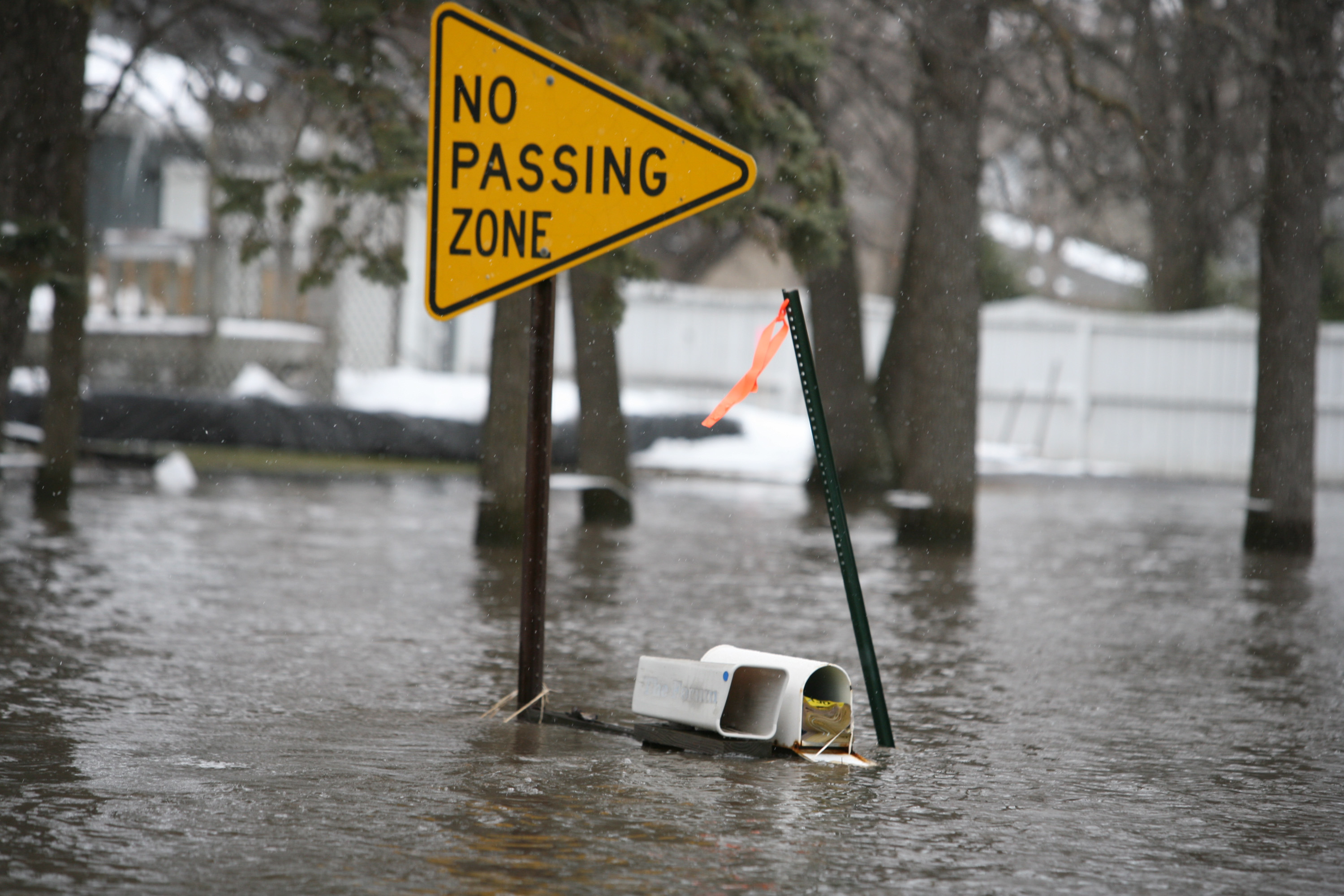 Since 1984, Monterey County has participated in the National Flood Insurance Program (NFIP). This participation, as well as the continued compliance with federal regulations, allows county residents to purchase flood insurance. Even if your business is far from any form of water such as rivers or creeks, it could still be affected by the intricate system of drainage improvements and facilities that the county maintains in an effort to protect its residents and their properties.
Federal Mandates
If you wish to relocate your business to an area that lies within the 100 year floodplain as determined by Monterey County engineers, or build within that area, federal regulations mandate that you purchase flood insurance in order to take advantage of any federally backed financial assistance for doing so. Even if you are not planning to move your business and you are happily ensconced in your current location, purchasing flood insurance is a wise business decision.
Weather Conditions Warranted Protection
Businesses that are not located within the flood plain are still at risk for being damaged due to flooding. Weather occurrences such as El Nino, for example, can cause extreme amounts of water to be dumped in areas that are ill-equipped to deal with such an onslaught of weather. Weaken structural supports like building foundations, or even elements of the property itself such as hills, can allow water to breech the boundaries of your business and cause flooding.
Industrial Accidents Pose a Concern
Water main breaks are incidences that do not occur often but the results can be devastating if you have not prepared for the possibility prior to it occurring. Not only will you need to be concerned with paying for the costs of replacing your damaged inventory and property out of your own pocket, you might struggle with losing sales from your customers during this period of time.
Flood insurance is a way to gain peace of mind that allows you to rest easier at night. Knowing that your business – and its assets – are protected in the event of an unexpected flood is a smart business move for the longevity of your company.
Read more
 The Terrorism Risk Insurance Act (TRIA) was enacted by Congress in 2002 in response to the 9/11 terrorist attacks on the United States. After New York City was attacked, many insurance companies were reluctant to provide coverage that included terrorist acts for fear that doing so could result in a devastating domino effect in the event of another act of terrorism.
Bound closely to worker’s compensation, the act offered insurance companies the ability to give employers a way to obtain affordable worker’s compensation even if they belonged to those industries that were deemed more likely to fall victim to such acts. This backstop measure put the assurances and backing of the United State government behind each worker’s compensation insurance policy that was written making it an effective answer to issue of terrorist acts.
With Congress failing to renew TRIA before taking a break for the holidays in December 2014, some employers might face confusion over what this non-action means to them. While often referred to as a problem only for businesses in Manhattan, other metro areas have found themselves affected as well. Cities with large numbers of workers such as Los Angeles, Chicago and other cities including Santa Cruz and the San Francisco Bay area need to be aware of what this means for them.
Worker’s compensation is required to provide coverage for acts of terrorism so it is important that all employers — regardless of their size and industry — consult with their insurance providers to determine their next steps. Because there has been speculation for months that Congress would not renew TRIA, most insurance companies has in place a plan to help their clients make the transition a smoother and easier one.
Read more
 With the new year comes the tendency to make resolutions that are designed to help a person address what they perceive to be as their own shortcomings. While resolutions such as “exercise more” and “lose weight” are often at the top of the list, these types of resolutions often fall by the wayside all too soon after the first of the year. The following insurance resolutions for the new year are simple to implement and can have long lasting effects.
1. Purchase Life Insurance
This is a resolution that should be on everyone’s list but it does not always seem to make it to fruition. Make 2015 the year you talk to your insurance agent and find the ideal life insurance plan for your circumstances and your budget. You’ll rest easier at night knowing that your loved ones are taken care of and your assets are protected.
2. Take a Fresh Look at Your Homeowners Insurance
Did you or a member of your family receive an expensive gift this holiday season? If so, you might want to take a look at the deductibles that you previously chose for your homeowners insurance. While a high deductible often looks attractive because it can make your payments lower, if it is too high it can be difficult to replace items that are covered unless you dip into savings or other monetary reserves.
3. Does it Make Sense to Bundle?
If you have insurance with more than one company, you could be missing out on significant savings. Most insurance companies have a bundle plan that allows you to save money if you have more than one policy with them. Much like car insurance policies that give you a multi-car discount, bundling your insurances with one company can often allow you to enjoy savings on your policies.
Read more
 Investing in rental property is an exciting and cost-effective venture for many people. Savvy individuals are able to charge enough rent to offset the mortgage payment of the rental property, allow for maintenance costs and provide a bit of a profit at the end. In order to protect your investment, however, you need to have an adequate amount of insurance.
Many people assume that their homeowners insurance covers their rental properties as well. It pays to do your research into the subject now before something catastrophic occurs and you find yourself in a financial crisis. Having the right kind and amount of insurance can protect you now and long into the future.
While having homeowners insurance for your rental home is required by almost all lenders who provide you with a mortgage, a traditional policy might not be the best option for your rental property. Here are three points to keep in mind when deciding what type of insurance best suits your needs.
1. Unless you are renting the home out as being fully furnished, you will not need to insure the contents of it. Instead, that responsibility falls to the renter in the form of renter’s insurance.
2. It is highly likely that you will need more liability insurance. With the title of ‘landlord’ comes an increased sense of responsibility. In the event that your tenants are injured while on the property, you will likely need to bear some responsibility. Even if it is due to an event beyond your control, such as the weather, you should plan for the additional responsibility. Your insurance agent can be a valuable guide in this matter.
3. If you are like most landlords, you depend on the rent you receive from your tenants. Consider an insurance policy that specifically protects you from the loss of this income. If you ever experience such a loss, you will be glad to have it.
Read more
