 A benefit of the Affordable Care Act may be a drop in car insurance premiums as health care providers shoulder more of the treatment costs tied to accidents and injuries, according to a new report from a leading think tank.
The nonprofit Rand Corporation says the rise in the number of people with medical coverage under the ACA, also known as Obamacare, could result in a “modest” drop in claims against auto insurers. In turn, the cost savings could be passed to consumers as insurance companies and state regulators evaluate and refine coverage rates, according to Rand’s report, “How Will the Affordable Care Act Affect Liability Insurance Costs?”
“The Affordable Care Act is unlikely to dramatically affect liability costs, but it may influence small and moderate changes in costs over the next several years,” says David Auerbach, a Rand policy researcher and the study’s lead author. “For example, auto insurers may spend less for treating injuries, while it may cost a bit more to provide physicians with medical malpractice coverage.”
Besides auto insurance rates, expenses tied to homeowners insurance, workers’ compensation and general business liability insurance may also fall once the ACA further takes hold. But on the downside, expenses for malpractice coverage could rise, according to the report.
Obamacare to trim insurance costs by up to 5 percent?
“Researchers say the changes could be as much as 5 percent of costs (for auto, home and the other forms of liability insurance) in some states, but caution there is considerable uncertainty surrounding such estimates,” the study notes.
Auerbach and Rand point out that liability insurers currently reimburse tens of billions of dollars each year for medical care related to car crashes and workplace injuries, among other claims. “For example, auto insurers collectively paid $35 billion for medical costs associated with accidents in 2007, about 2 percent of all U.S. health care costs in that year,” according to Rand.
The reason for a possible jump in malpractice claims faced by doctors and health providers is simple: Rand says that more claims could be filed as more people get medical coverage.
“Insured individuals have more contacts with physicians, make more visits and receive more procedures,” the report says. “Such a shift could drive malpractice costs modestly higher.”
The malpractice figures are already significant. The study points out:
In 2012, nearly 12,000 medical malpractice claims paid on behalf of individual physicians and other providers accounted for $4.3 billion in costs. A substantial additional number of claims were paid on behalf of institutions, such as hospitals, some of which self-insure, that are not included in the $4.3 billion number.
The study was sponsored by Swiss Re, which stresses the powerful effects the ACA may ultimately have on the insurance industry and elsewhere. “Businesses and policymakers need to understand how and why their risk profiles might change as the Affordable Care Act is implemented,” Jayne Plunkett, Swiss Re’s head of casualty reinsurance, said in a statement.
A surge in medical insurance enrollments
In a separate survey, Rand estimated “a net gain of 9.3 million in the number of American adults with health insurance coverage from September 2013 to mid-March 2014.” While noting that any survey has a margin of error, Rand added that its findings didn’t include those who signed up for coverage in late March and early April. That enrollment surge could “dramatically affect” the total figures, Rand said.
Rand estimated that Americans without insurance fell to 15.8 percent, from 20.5 percent.
Of those who secured new medical coverage between September and March, 8.2 million didn’t buy it on the ACA’s federal or state-run exchanges, but through an employer. Rand says the increase was likely because of a drop in unemployment, which opened the door for many to be eligible for workplace plans, and ACA incentives encouraging employees to get coverage.
Rand added that 3.9 million secured health insurance through the exchanges, 36 percent of them previously uninsured. That number was expected to rise as the March and April numbers came in.
In declaring the ACA an unfolding success, the Obama administration recently said that more than 7 million people signed up for coverage through the marketplace exchanges.
Content provided by: http://www.moneytalksnews.com/2014/04/21/obamacare-may-reduce-auto-insurance-rates/#Kqdfh4ZHhsjylE1J.99
Read more
 In today’s “litigation society,” you face lawsuits that could cripple your bottom line – or even put you out of business – based on anything from a fire on your premises to an allegation of libel by a competitor.
Commercial General Liability (CGL) insurance provides financial protection against damage or injury caused by something that your business did, or perhaps didn’t do.
Your CGL policy covers a variety of exposures:
- Premises and Operations Legal Liability pays for injuries or property damage on your premises, as well as those that occur outside your place of business.
- Products and Completed Operations Legal Liability covers injury or property damage resulting from someone using your products, or real or alleged faults as a result of work your business has completed.
- Fire Legal Liability pays for injuries and damage from fires for which your business is responsible or that started due to your negligence.
- Personal and Advertising Injury protects your business against litigation alleging libel, slander, or invasion of privacy.
- Host Liquor Legal Liability will pay for lawsuits from hosting a party or special event at which you serve alcohol and intoxicated people cause injuries or property damage.
- Medical Payments covers bills when your customers, suppliers, or visitors suffer bodily injury on your premises, or resulting from your operations offsite.
To learn more about this essential coverage, just give us a call at Scurich Insurance Services today!
Read more

We’re often asked when is a car so old that it’s no longer a wise investment to continue buying collision insurance for it. The answer depends on your individual situation.
First, what’s the true worth of the car? Any repair or replacement costs following a collision will be based on the value of the vehicle at the time of the claim. Also consider your deductible amount. For example, if your car is now worth $2,000 and your deductible for collision claims is $500, insurance will pay no more than $1,500 for your loss.
Once you’ve estimated the maximum that your policy is likely to pay for a collision, ask yourself whether the value of the car would create a significant financial hardship if it were totaled in an accident without insurance. Is the cost of collision coverage reasonable, considering the maximum you can receive at the time of a claim? Don’t forget peace of mind — if dropping collision will make you lose sleep at night over a possible loss, it’s better to keep your coverage and get some rest.
If you’re considering whether it’s still worth insuring your older car for collision, call our personal auto representatives. We’ll be happy to review your current coverage, give you the book value of your vehicle, and estimate the changes in cost of your insurance if you make any changes. Let us help you make the best decision.
Content provided by Transformer Marketing.
Read more
 Springtime is known for many things, including beautiful blooming plants and flowers. Getting ready to plant new crops, warmer weather, longer days and allergies.
Allergies bring watery, itchy, irritated eyes; runny noses; uncontrollable sneezing and plain sinus misery. The most common allergies come from pollens, animal dander, mold spores, dust mite and cockroaches allergens.
Here are a few tips to help you with your allergies this Spring season:
- Head over to the pharmacy and stock up on allergy medications. Talk with your doctor to see which ones will work the best for you. Antihistamines, decongestants and nasal sprays should be at the top of your list.
- You can also ask about allergy shots. An allergy shot could mean the end all of all allergy medications.
- Dehumidifers and air purifiers work great in the home.
- Get mattress and pillow coverings. Mattresses and pillows host a ton of allergens. Getting a cover for the mattress and pillow and washing them once a week or so, will keep allergens to a minimum.
Before settling on any specific medical treatment for your allergies, please consult your doctor for the best treatment plan.
Content provided by Transformer Marketing.
Read more
 If you’re using “contingent workers” — on a part-time, temporary, or contract basis — be aware that these employees face a greater risk of occupational injuries and illness. According to the National Institute for Occupational Safety & Health (NIOSH) reasons for this higher vulnerability include the tendency to outsource more hazardous jobs, lack of experience and familiarity with operations in a dangerous workplace, inadequate protective equipment, and limited access to such preventive measures as medical screening programs. The chances are that temporary workers have a wide variety of experience levels (due to high turnover) or have had the benefit of formal safety programs.
Also, bear in mind that even though the safety of contract workers is the legal responsibility of the contractor, the OSHA General Duty Clause could be interpreted to make you responsible for protecting everyone in your workplace. To help meet this obligation, and bolster workplace safety compliance we’d recommend that you take these steps:
- Include safety requirements in the contract, even if only to state that the contractor must comply with OSHA requirements. If the contractor doesn’t follow safety rules, you can force compliance or stop work for breach of contract.
- Set the safety compliance ground rules up front, during orientation or before they start work.
- Share accountability. Although an accident caused by a contract worker might not be your legal responsibility, it’s still your problem. Don’t leave safety compliance problems for the contractor to solve alone.
- Offer assistance. Explain all hazardous conditions or processes during the initial project orientation and stress any rules and restrictions, such as hot-work permit requirements, lockout/tagout, and confined spaces situations and needs.
- Document communications with contractors. Give the contractor(s) a document or form to sign when resolving specific safety problems or for conducting inspections.
- Read the OSHA Multi-Employer Citation Policy. OSHA published an enforcement and compliance directive (CPL 02-00-124, December 10, 1999) laying out its citation policy for multi-employer worksites, which includes contractors.
Finally, don’t forget that most contingent workers will only be in your workplace for a relatively short time. This only adds to the urgency of getting them up to speed on your company’s safety policies and practices as quickly as possible.
Contact our office today for more information.
Content provided by Transformer Marketing.
Read more
 When you think of insurance, the typical ones come up. Auto insurance, health insurance, homeowners insurance and business insurance. Some people may have even heard of umbrella insurance, flood insurance, farm insurance and so on.
But we want to share with you about some of the more uncommon types of insurance that are out there.
- Cold Feet Insurance. That’s right. If your spouse-to-be happens to get cold feet right before the big day, reimbursement could be in order. However, there are some conditions: The change of heart has to happen a full year before the wedding and the reimbursement will be sent to a third party (such as parents).
- Fantasy Football Insurance. Football lovers all over are excited about this one! FantasyPlayerProtect.com allows fantasy players to insure their teammates.
- Multiple Birth Insurance. Oh boy, a bundle of joy is coming your way! And then you find out you’re having 3 bundles of joy! The insurance will pay out a lump sum to parents who were expecting 1 bundle of joy. The condition is that you did not use a fertility treatment.
- Divorce Insurance. Splitting up assets and debts and adding legal expenses to the mix, divorce can get costly. Divorce insurance will help with a payout in case of divorce.
- Chicken Insurance. Yes, you heard me correct. Pet insurance has been popular for all of the dog and cat lovers for years, but now some insurance companies have included the not-so-common pets such as chickens and mice.
- Kidnapping Insurance. For companies who have overseas employees to people who travel to third world countries, kidnapping insurance is there to help cover the costs associated with kidnapping, including negotiators fees, travel expenses and the ransom itself.
- Drunk Guest Insurance. For everyone who loves to entertain at your home, this one’s for you! The formal name is social host liquor liability coverage and this will provide coverage for an intoxicated guest who destroys property or harms another person. Most homeowners insurance policies have something like this in the policy.
- Infertility Insurance. You really want to have a baby and in-vitro is a viable option. The costs of fertility treatments can be excessive. Infertility Insurance will help you out with your dream, but only if you live in one of the fifteen states that offer this special insurance.
- Golf Insurance. This kind of insurance is popular throughout Asia and Europe.
- Bedbug Insurance. Typical homeowners and renters insurance won’t cover the costs associated with a bedbug infestation, which can add up to the $1,000s. Most bedbug infestations occur during travel, so when you sign up for travel insurance, make sure you have a bedbug rider.
Scurich Insurance Services can help you out with many types of insurance policies. Give us a call today!
Content provided by Transformer Marketing and http://money.msn.com/insurance/10-crazy-insurance-policies-you-didnt-know-existed
Read more

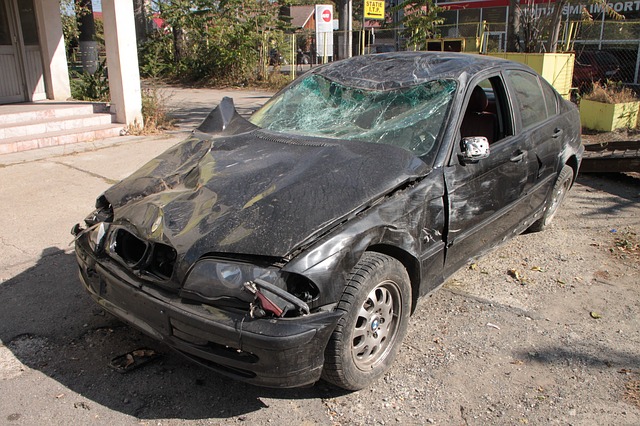 A benefit of the Affordable Care Act may be a drop in car insurance premiums as health care providers shoulder more of the treatment costs tied to accidents and injuries, according to a new report from a leading think tank.