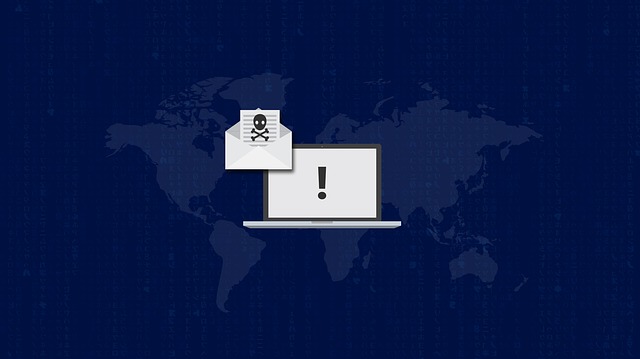
Another global cyber attack was activated on Tuesday, leaving companies across Europe, Australia and even the United States struggling to respond.
This outbreak may be the most sophisticated of a series of attacks initiated after hacking tools were stolen from the National Security Agency and leaked online in April. Similar to the WannaCry attacks in May, the most recent hack involves taking control of computer systems and asking users for digital ransom in order to regain access.
According to a spokesperson from Microsoft, the latest software update used to patch EternalBlue—the Windows software vulnerability that caused previous attacks—should protect against this attack. However, the companies affected may have failed to properly install it. As of Wednesday morning, the following companies had been affected:
- Ukrainian institutions that include the Infrastructure Ministry, postal service, central bank and the country’s largest telephone company
- Russian oil company Rosneft
- The world’s largest container-shipping company A.P. Moller-Maersk
- U.S. pharmaceutical giant Merck
- U.S. food company Mondelez International
- French bank BNP Paribas
- French construction materials company Saint-Gobain
- British marketing company WPP
- German railway company Deutsche Bahn
Although the perpetrators of this outbreak are still unknown, computer specialists have noticed similarities between the ransomware used in this attack and last year’s Petya attack. Like WannaCry, Petya is a quickly spreading worm that affects vulnerable systems. Unlike WannaCry, Petya has multiple ways to spread. This could explain why even victims who applied the EternalBlue patch were affected.
If the most recent attack is related to Petya, it could be far more damaging than WannaCry. Unlike WannaCry, Petya lacks a kill switch to prevent it from spreading. Also, Petya locks and encrypts entire hard drives, while WannaCry only locked individual files.
At the time of this news brief, 30 victims had paid the bitcoin ransom of $300, according to online records, but it isn’t yet clear whether they’ve regained access to their systems. Complicating matters, German email provider Poseo shut down the email account of the hackers in a move that could make it impossible for hackers to restore their victims’ computer access once ransom is paid.
Scurich Insurance will continue to monitor the situation. Contact us if you have any further questions regarding how you can avoid disruptive business interruptions from cyber attacks.
Read more
Executive Order on Apprenticeships Expected to Help Manufacturers
President Donald Trump recently signed an executive order that will expand apprenticeship programs across the country. As a result of the order, the number of available apprenticeships is expected to increase and the federal government will increase spending for apprenticeship programs to $200 million per year.
Many manufacturers use apprenticeships to meet employment requirements and help students get hands-on experience that can’t be achieved in a classroom. A larger emphasis on apprenticeships may also help fill an anticipated employee shortage in the manufacturing industry. According to the Manufacturing Institute, there will be 3.4 million manufacturing jobs to fill over the next 10 years.
Although the executive order didn’t set specific goals for the number of apprenticeships to be added, experts believe that up to 5 million apprenticeships could exist in the next 10 years. A clause included in the executive order may also allow existing internships to be categorized as apprenticeships.
Machining Safety Tips
Using machines is common for every manufacturer, but ignoring machining safety can expose you to incredibly high costs. OSHA issued $6.8 million in penalties for machining safety violations in 2015, and the associated costs of medical bills, damaged equipment and replacement personnel is much higher.
Before your employees use any machine, you should conduct a review to ensure that they’re properly trained and that all equipment is in working condition. Also, make sure that machine guards are in place to prevent injuries and that employees wear any required personal protective equipment. For more resources on machining safety, contact us at 831-661-5697 today.
Air Bag Manufacturer Files for Bankruptcy
Japanese auto part supplier Takata recently filed for bankruptcy after many years of managing the largest product recall in U.S. history. At least 16 deaths have been attributed to the company’s faulty air bag inflators, and over 69 million vehicles have been recalled as a result.
Although Takata recently pleaded guilty to a felony charge as part of an agreement with the Justice Department, mounting costs from the recall and associated lawsuits overwhelmed the manufacturer. However, Takata executives stated that filing for bankruptcy will allow them to reorganize their finances and continue shipping replacement parts for affected vehicles.
Read more
Softwood Lumber Prices Keep Climbing
As the lumber dispute between Canada and the United States continues, uncertainty over the softwood lumber supply has increased prices by more than 12 percent since January, according to a National Association of Home Builders (NAHB) analysis. Although the Trump administration is eager for a quick deal to end the dispute, the Canadian government doesn’t see an agreement any time in the near future.
In April, the U.S. Department of Commerce announced an average preliminary 20 percent import tax on Canadian softwood lumber. That could increase to 30 percent after a U.S. decision on new anti-dumping penalties, according to RBC Capital Markets.
The United States imports one-third of its lumber supplies, and more than 95 percent of that comes from Canada, according to the NAHB.
Trump Signs Apprenticeship Order
In an effort to fill some of the 6 million open jobs in the United States, President Donald Trump signed an executive order providing more money for private companies to design apprenticeship programs. The order nearly doubles the $200 million in taxpayer money spent on learn-and-earn programs under a grant system called ApprenticeshipUSA. To avoid using federal money to fund the order, Trump is directing a government review, hoping to streamline over 40 workforce programs across 13 agencies.
There are about 500,000 apprenticeship positions in the country, representing less than 1 percent of the entire U.S. workforce. The executive order addresses the nation’s “skills gap” that has left millions of open jobs unfilled. Apprenticeships would give students a way to learn skills without facing the debt associated with attending four-year colleges.
Critics are concerned about limited government oversight, since Trump’s order does not require all apprenticeships to be registered, and the Labor Department would review the apprenticeships under broader standards. They are also concerned about the oversight of apprenticeship programs that operate under private companies’ control.
Heat App Updated in Time for Summer
The National Institute for Occupational Safety and Health (NIOSH) and OSHA have recently redesigned their Heat Safety Tool mobile app. The free app provides information on what precautions outdoor workers should take to stay safe in hot and humid conditions.
The updated app uses a cellphone’s geolocation capabilities to gather weather data from National Oceanic and Atmospheric Administration satellites. It can forecast the hourly heat index and determine whether the user’s current risk level is minimal, low, moderate, high or extreme. The information can help employers adjust work schedules and workloads.
According to OSHA, more than 65,000 people seek medical attention each year for extreme heat exposure.
Read more
Summer Weather Safety Tips
Severe weather causes thousands of injuries and hundreds of deaths each year in the United States. Stay safe this summer by taking the following precautions:
- Create a disaster plan and a disaster supplies kit. Check the American Red Cross website for guidance.
- Identify a safe place to take shelter.
- Check the weather forecast before working outdoors.
- Set up severe weather alerts on your cellphone.
- Purchase a National Oceanic and Atmospheric Administration (NOAA)
“Weather Radio All Hazards” receiver unit with a warning alarm tone and battery.
Many Farmers Upset Over Cuba Policy
On June 16, 2017, President Donald Trump signed a presidential directive rolling back parts of former President Barack Obama’s efforts to improve the United States’ trade relationship with Cuba. Farmers saw the directive as a step backward, as it is expected to tighten restrictions on exports and complicate agricultural trade.
Shipments of U.S. grain and soy to Cuba have soared between 2016 and 2017, thanks to Obama’s 2014 diplomatic breakthrough. Within the first four months of 2017, the United States shipped 142,860 tons of grain and soy to Cuba, up from 49,090 tons during the same period of 2016. Although U.S. farmers have just gotten a taste of the profitability from exporting to Cuba, Trump’s move breakthrough is expected to cost U.S. farmers $125 million per year.
President of the U.S. Grains Council Tom Sleight said in a recent statement that, “Trump’s move could cut off near-term sales and stymie economic development that would drive longer-term demand growth.” Although the amount of exports to Cuba are small in comparison to total U.S. exports—corn exports were close to 56 million tons last year—every bit helps as farmers face a decline in farm income for the fourth consecutive year.
$20 Million Raised for Vertical Farms
Indoor agricultural startup Bowery has raised $20 million in Series A funding to build more farms, plant more crops and hire more people. The urban farming startup is one of many that intend to reimagine farming by growing produce vertically in warehouses across the country, as opposed to planting crops in sprawling fields that are reliant upon good weather.
Co-founder Irving Fain stated that since vertical farms can be built in any city, produce would be more accessible to customers and reach them more quickly.
According to Research and Markets, the vertical farm market is expected to grow to $5.8 billion by 2022.
Read more

Ever since the first ride-sharing app debuted in 2011, they’ve experienced exponential growth in usage. In fact, in the cities where such apps have joined the market, taxi ridership has declined anywhere from 10 to 30 percent. However, while the popularity of ride-sharing apps is increasing, so is the host of risks associated with using them. Most of the companies are in the stages of infancy, and the situations they’re facing are in uncharted territory.
How the Apps Work
While they’re most commonly referred to as ride-sharing apps, any company that uses an online platform to connect passengers with drivers (using the driver’s own vehicle) is called a transportation network company (TNC). These companies each have their own unique differences, but they all operate under the same basic concept.
Through their smartphones, passengers are matched with available drivers via GPS. Most apps display the driver’s route and estimated time of arrival, in addition to the driver’s name, photo and vehicle information. The TNC gets a cut of the fare, typically between 20 to 25 percent, for each ride a driver completes.
The apps are convenient for passengers and for drivers looking to supplement their income. Still, they’re not without flaws. For example, it can be difficult to determine what regulations the TNC and its drivers need to follow, what insurance coverages apply to them and who is considered liable in the event of an accident.
When Insurance Kicks in
Since TNC drivers use their vehicles for both business and personal purposes, TNCs have to clarify when drivers are covered by different types of insurance.
When a driver is driving with the TNC app off, the driver is not accepting rides, so the driver’s personal auto insurance is the primary coverage. When the driver turns the app on, but has not yet accepted a ride, TNCs generally offer contingent liability coverage if the driver’s personal auto insurance does not offer protection. When a passenger is picked up, the TNC’s policy is the primary policy until the end of the ride.
State Involvement
Unlike taxis, which are regulated by the city and have to follow strict guidelines, TNCs haven’t had to adhere to the same strict regulations. This is beginning to change, as legal concerns have grown. Some states are enacting laws to set standards and insurance requirements for TNCs. Furthermore, cases that are currently in the courts will help shed light on who is to be held liable in ride-sharing accidents in the future.
Driver Risks
Some ride-share companies provide liability insurance for their drivers in excess of the driver’s personal liability coverage. However, this does not mean that the driver will always be covered.
Drivers also face the risk of being dropped by their insurance company if they’re found to be misleading them. Drivers need to be honest about what the primary use for the vehicle is when they obtain the policy. If a driver fails to indicate the intention to drive for commercial purposes, the insurer could not only deny claims, but also drop the driver from the policy. Some insurers have created hybrid policies that allow drivers to switch between personal and commercial coverage for that same reason.
Passenger Risks
When a passenger gets into a car arranged by a TNC, the passenger agrees to a host of terms and conditions by default. If the driver gets into an accident and the passenger is hurt, there is no guarantee that the driver’s insurance company, nor the TNC, will pay for damages. For example, the driver’s personal insurance company may say that he or she was driving for profit and, for that reason, it is not required to pay the medical bills. The passenger would need to take the driver to court for damages, which can be a costly and time-consuming process.
Safety is a concern for both the driver and for the passenger. A driver never knows the type of person about to get into the back seat. Likewise, a passenger only knows how reliable a driver is from what the TNC shares about the driver on its app.
However, no transportation service can guarantee safety, and the same concerns arise for people who take taxis. But if something happens to the passenger in a taxi, he or she may receive monetary compensation without having to go to court.
Tips for Passengers
Using a ride-sharing app is generally a safe and reliable method of transportation. Nonetheless, there are safety risks to consider. If your employees use ride-sharing apps when they travel, make sure they’re aware of the following safety tips:
-
- Share your trip details with someone. Some apps allow you to share your route and driver information.
- Before you get in the car, check that the driver’s photo, name and license plate match what’s listed on the app. Never enter a car with
a driver who claims to be with a TNC and offers you a ride.
- Never share any personal information that the driver does not need to complete the ride. This includes phone numbers, as TNCs typically anonymize their passengers’ phone numbers to protect their privacy.
- Always wear your seat belt. If the car you’re riding in doesn’t have one or appears to be unsafe, instruct your driver to cancel the ride. Be sure to report it to the TNC immediately.
While the TNC insurance landscape evolves to meet the safety needs of drivers and passengers, insurance companies are taking different approaches to claims. Consult with Scurich Insurance for information on new and changing regulations and to be sure you and your employees are always covered.
Read more

Home Maintenance for the Summer
Keeping up with seasonal repairs and upkeep not only shows pride of ownership, but can reduce the risk of costly and preventable home expenses. Prepare your home for the summer with the following considerations:
Home exterior
- Check all window and door locks to make sure they are secure. Open and close them, and apply lubricant when they are hard to open.
- Inspect your roof and gutters, clean out gutter debris and check shingle integrity.
- Inspect your home’s foundation, sealing cracks and levelling yard depressions with compacted soil.
- Check wooden structures, such as decks and steps, for rotting, loose wood or exposed nails.
Home interior
- Hire a qualified heating, ventilation and air conditioning (HVAC) contractor to tune up your air conditioning unit.
- Examine electrical outlets and cords for potential fire hazards, such as frayed wires.
Garage
- Examine your garage door to ensure that it is in proper working order.
- Declutter by reviewing the contents of your garage. Donate or dispose of items you no longer use or need.
Driveways and walkways
- Inspect your pavement for cracks and holes, and remedy them. This can go a long way in preventing accidental slips, trips and falls.
Painting Safety Precautions
Summer is the perfect time to brush up on painting projects in your home. While paint can beautify a room, it can also be harmful to your health.
Stay safe while painting this summer with the following tips:
- Test for lead with a lead-testing kit—especially if your home was built before 1978.
- Wear a respirator, and open windows and doors to ventilate the room.
- Wear protective gloves and clothing.
- Cover all exposed outlets with painter’s tape.
- Inspect your ladder’s integrity before use, if applicable. Make sure to always have at least three body parts in contact with the ladder at all times.
- Store paint by replacing the lid firmly and storing the can upside down to block air entry.
ATV Safety
As warmer weather approaches, more people will be using all-terrain vehicles (ATVs) for recreation. While riding an ATV is a fun activity, these vehicles can be extremely dangerous. In fact, every year, there are over 300 ATV-related deaths across the United States.
Here’s how to keep yourself and your family safe while operating an ATV:
- Read the operator’s manual and attend ATV instruction classes before riding.
- Wear gloves to reduce vibration pressure and to improve grip.
- Wear boots to maintain balance and control, protect feet and legs from debris, and maintain sound footing.
- Wear a long-sleeve shirt and pants to avoid burns and scratches.
- Always be aware of your surroundings. Watch out for wildlife, pedestrians, other ATVs and hazards like rocks, branches and unstable surfaces.
- Drive at safe speeds, taking weather conditions and the terrain into account.
- Never carry additional passengers, or operate an ATV while under the influence of drugs or alcohol.
- Always ride the right size ATV by following the manufacturer’s recommendations.
Reducing Choking Hazards for Small Children
Choking occurs when the brain goes without oxygen for more than four minutes, causing brain damage and death, and is the leading cause of death in infants and toddlers.
If you are the parent or guardian of a small child, it is your responsibility to protect your child from danger. Foods such as hot dogs, whole grapes, nuts, raisins, hard candies and popcorn can be potential choking hazards. Other choking hazards include household items such as latex balloons, coins, small toy parts and marbles.
Protect your child from choking with the following tips:
- Mash foods so they can be chewed more easily.
- Instruct children to chew food before swallowing it.
- Make sure children sit upright while eating.
- Always supervise your child during mealtime.
- Do not give hard foods to children under the age of 4.
- Avoid giving children toys with small parts, and keep small household items out of reach.
Make sure to also learn the Heimlich maneuver for infants, as the procedures for a choking infant are different from those of an adult. Learn the steps here.
Read more
