In an earlier article, we discussed tips to get your home ready for the fall season. These tips are important, so there could be no potential denial of coverage should you need to file a claim.
In this article, we want you to know what happens when you don’t clean out your gutter and the potential damage it could cause.
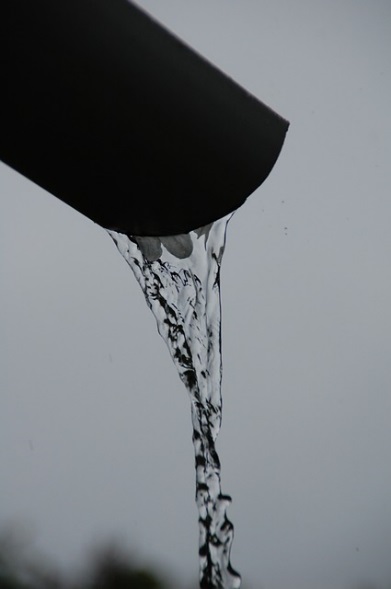 Leaking gutters. On the extreme side leaky gutters can also cause leaky roofs, mold, and it can rot away at the surroundings.
- Leaky roofs. If your gutter is filled with debris, any rain, snow, or ice, won’t be able to go anywhere, causing a leaky (and expensive repair) roof.
- Basement leaks. Gutters usually end up at the foundation of the house. If there is any damage to the run off, then the water can wind up in your basement.
- Rotted Wood. Some houses and/or foundations are made of wood. If the gutter is not properly taken care of, the build-up will cause wood to rot.
- Cracks in foundation. Same principle as above. Any debris left can create cracks in the foundation.
This fall, don’t let your gutter get the best of you. Stay tuned for Scurich’s tips to clean out your gutter.
Content provided by Transformer Marketing.
Read more
 The leaves are changing colors and Starbuck’s famous Pumpkin Spice Latte has made its official appearance for the fall season. Everyone is getting ready for fall, so should you.
A major stipulation of your homeowner’s insurance policy is maintenance of your home. It is not uncommon for carriers to deny payment of a claim for any damage to your home, if it has been found that your home has not received the proper maintenance. Here at Scurich Insurance Services, we don’t want to see that happen, so here is your fall checklist of home improvements.
- Grab a ladder and clean out the gutters. Yes, those fall leaves are pretty but if your gutters are clogged with them, any rain or snow could create a bigger problem in the future.
- Get your caulk gun out and start sealing up all the cracks you see around the windows and doors.
- Winterize your pipes. This is the perfect time to do it, before it gets too cold.
- Repair your drive before the winter comes. This is actually a better spring project, but if you didn’t get around to doing it before now, do it now.
- Call the chimney guy. Fall means the start of colder weather. You need to make sure your chimney is clean before lighting your first fire.
- Replace or clean your furnace filters.
For more information about your homeowner’s policy, contact Scurich Insurance Services today.
Content provided by Transformer Marketing.
Read more
 The modern world prides itself on advances in technology and progress. Two impactful transformations are the automobile and mobile phones – the cellular phone appeared decades after the first vehicle. Today, those two inventions cross paths as the demand for constant communication leads to cellphones being utilized in the car for speaking, texting, social updates, email and more. The question worth exploring is are these uses a necessity or a driving distraction?
Fully grasping this question, it’s worth agreeing that driving requires attention for optimum safety. That being said, even without technological devices accidents still occurred. The fact that attention is diverted is not a valid reason for labeling phones a distraction. On the flip side, many raise that mobile communication while driving is a business necessity and the benefits outweigh those accidents caused by phones. This also cannot be entirely relied upon, because there are many who use phones on the road without any real importance. A different perspective can shed light on this topic.
Clearly, each point on both sides can be countered. That being said, the stronger more emotional pitch is that phones are distractive and the driver’s shift of attention is the direct cause of accidents, outweighing any business necessity. Looking at this issue differently reveals a similar result for a different reason. It’s that mobile phones are a necessity and driving can be distractive to important communications that demand full attention. Drivers should take into account the obvious, that phones distract attention from driving, but the business addict arguing necessity should recognize that one cannot fully focus on the conference call, email, or text when the brain is balancing the coordination and attention to the road. The balance can be having the access to phones while adhering to local laws and bowing to the fact that necessary communications and driving are both derailed by the combination of mobile phones and cars – just not a winning pair.
Content provided by Transformer Marketing.
Read more
 Owning a home is a lot of responsibility and with that comes great reward too. Many love the sense of security home ownership offers as well as the financial benefits of maintaining an asset over the long term. However, there are many headaches and challenges that potentially can arise with owning a property – there’s no landlord to call. Many homeowners carry an insurance policy to protect their assets if an unfortunate event occurs – water damage, broken pipe, structural damage, fire, or other unforeseen circumstances. This has become common knowledge, but are personal belongings and valuable collections also covered?
At the basics, a homeowners policy is in place to reimburse owners for damages caused to the property and belongings in that property. For example, if a home has a small electrical fire, in which the smoke caused terrible damage to the walls and furniture. The likelihood is that repainting and cleaning expenses are covered under the policy, in addition to structural repairs. A home guards valued possessions and even prized collections. What protects those collections if water damage destroys an art collection, gun collection, or other valuables? Is a homeowners policy enough to protection? The answer is, no. When a collection grows past a basic threshold, typically $1,000, the items must be listed in a separately purchased rider for the collection.
The situation of improper insurance coverage typically occurs because homeowners set it and forget it. This means that the policy is purchased at the time the home is purchased and year after year the same policy is renewed. Having a policy is better than no policy, the problem is that the home evolves, assets grow and the original policy becomes outdated. This is why it is vital to have an insurance agent periodically review your policy. Having a professional evaluate a homeowners current state of affairs is the best way to prevent unfortunates scenarios of improper coverage.
Content provided by Transformer Marketing.
Read more
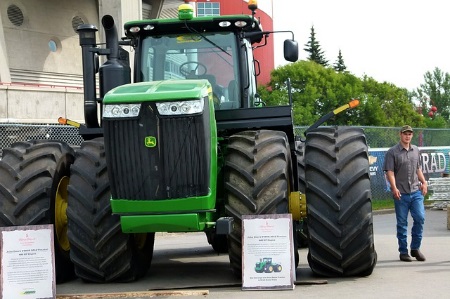 In most aspects of life there exists insurance to help in protecting assets in the case of damage or unfortunate loss. When it comes to farms this is no exception; however, the typical business insurance or ordinary car insurance will not meet the bar when it comes to insuring the farm and tractors. It is advisable that if your business is farming or you are thinking about purchasing a weekend farm getaway that you consult with an insurance professional with experience in farming.
There is a famous saying that “knowing is half the battle,” so our goal is to review a few areas that have specific insurance needs. This way when you meet with an insurance professional you can get on the right track. As a general rule farm property is covered under specifically qualified policies to include farm machinery, livestock, farm trailers and even irrigation equipment. Depending on the coverage there may even be automatic coverage for new equipment up to $100,000 for the first 60 days – similar to a new born child being under the parents insurance until the child is individually registered. There are other types of equipment such as antennas and satellite radio devices typical on farms in extremely rural areas. In addition to coverage for these types of items there are other optional coverages that should be considered.
Depending on the exact type of farm things like chicken coups, silos, fences and feed racks have the ability to be covered under a farm policy. For those living in the city the details of a chicken farm and the equipment to keep it functioning are just not a reality. However for the farmer, these are essential aspects to their daily life. This is precisely why insurance companies carefully address all the details involved in farm life. Additional coverages are even defined as to the type of use of the equipment, because farm life can vary drastically.
One of our insurance professionals will review your farm and equipment to explain all available coverages and its intricacies.
Content provided by Transformer Marketing.
Read more
 One of the most troublesome environmental issues is water shortage. As the population increases, industries develop, and weather patterns change, the issues of water shortage become more prevalent. The agricultural industry requires a tremendous amount of water to operate and it is in the top industries for water consumption. Everyone knows that crops require soil, sun, and water. In some cases of hydroponics soil in not even utilized, it is solely reliant on water. Since an industry is hinged upon the variable of the existence of water, the insurance industry has developed a form of protection for those in the agriculture industry – agricultural insurance.
Crops are the predominate victim in a water shortage and depending on the crop will determine the sensitive to water issues. Farmers should immediately discuss the specifics of crop insurance to account for potential water shortage issues. Typically, the farmer must select the percentage of the crops covered and at a specific price point. A common range can vary from 50% – 85% of a crop. In order to meet necessary criteria for each crop, there are guidelines specific to time of year, type of crop, and deadlines to applying to obtaining coverage. This is a simple process, but because there are many intricacies it is always advisable to connect with and insurance expert to help navigate individual needs.
The reason for the many variations and deadline surrounding crops is directly connected to the federal laws and regulations that spearheaded the industry to protect farmers and food protection in the United States. Some of the information that is weighed when obtaining the right coverage for water shortage risk are things like the type of harvest, production history, yield, and environmental history. These factors are important in determining type of policy and when reporting of water shortage damage. A specific accounting and log of crop damage is vital to maintaining in line with an agricultural policy, due to the already sensitive nature of crops.
Don’t make the mistake at going at this alone. Contact one of our agents today.
Content provided by Transformer Marketing.
Read more
