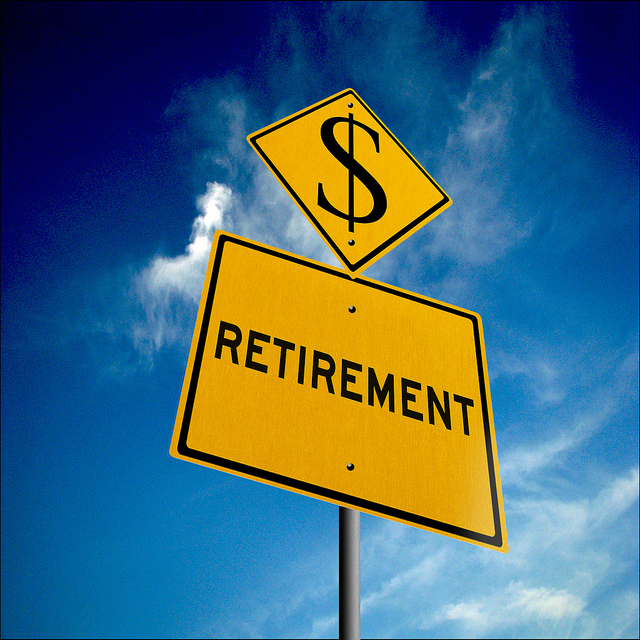
 For your workers to enjoy the full financial benefits from their 401(k) plans, experts recommend that employee education sessions make sure that participants:
- Contribute enough to receive the maximum match. One expert estimates that at least one in three employees don’t make the maximum contribution, which means they’re leaving free money on the table.
- Avoid account trading. Because it’s all too easy for plan participants to panic at market bottoms and be over-confident at tops, advise them not to open their account statements during these periods.
- Diversify. Concentrating account balances in one or a few funds that employees feel will perform well or are safe means making a risky bet on only one economic scenario.
- Keep their money in the plan. Employees who take out loans on their funds, make withdrawals or cash out a 401(k) when they change jobs will have to pay taxes and penalties that reduce plan payout by almost 50%, which will make it impossible to save enough for retirement.
- Keep saving. Workers stop saving for a number of reasons. The equity market falls, their spouse loses a job, they want to save outside the plan for a home, car, boat, marriage, etc. It’s far better to lower their contribution if necessary, without going to 0%. Remember, employees need to average 15% in savings over an entire career to retire at their current standard of living.
- Focus on the bottom line. The most important factor in a 401(k) is not the allocation of assets, market timing, or investment performance, although these are important. It’s how much the employee saves!
Make sure that you follow these guidelines in retirement planning education for your employees. They’ll be grateful for your encouragement and support.
Read more
Before winter weather hits, you need to tune up your car. Follow this checklist as you prepare your vehicle to navigate cold temperatures and winter weather safely.
Engine
As the heart of your vehicle, the engine must be in good working order. Inspect it thoroughly and repair any faulty wiring or replace the spark plugs if necessary. Also, visually inspect the belts on both sides and make sure they’re not cracked, frayed or glazed. Inspect the hoses and tem if you see cracks or other wear, too.
Radiator
Protect your vehicle from overheating when you maintain the radiator. Flush the entire system if it hasn’t been done in the past two years, and repair any leaks before adding fresh antifreeze.
Battery
Maintain power all season when you check your battery and its connections. Ensure the battery is free from corrosion and securely attached to the vehicle. Replace it if it’s older than seven years.
Oil
Your vehicle can’t operate properly without oil or if the oil system is dirty. Clean or replace the filter and change the oil now.
Filters
Not only do filters remove dirt and assist your vehicle in operating properly, but they can improve your gas mileage. This fall, replace your car’s oil, transmission and air filters.
Power Steering
Maintain control of your vehicle at all times thanks to power steering. If your vehicle is handling rough or groaning, repair this essential system.
Brakes
Worn brakes reduce your ability to stop on slippery roads. Ask your mechanic to inspect the brakes and replace them if they’re worn or uneven.
Tires
Properly aligned tires with the correct pressure and adequate tread provide the traction you need. Take time now to inspect your tires. Rotate, replace or inflate them as needed.
Windshield
Visibility is required for safe winter driving. Change the windshield wipers so that they make full contact with the windshield. Fill the washer fluid, too.
Exhaust
A safe exhaust system prevents dangerous carbon monoxide emissions. Repair any muffler or tail pipe system leaks.
Body
Rust spots grow over time, especially when exposed to wet winter elements. Repair any rust spots as you protect your vehicle.
Taking care of your vehicle now ensures it’s protected all season. In addition to following this winter tune-up checklist, talk to your insurance agent. Ensure your auto coverage is adequate as you prepare for winder driving.
Read more
 As you get ready to bundle up for winter, consider prepping your home, too. Several tips ensure it is protected and comfortable all season.
Inspect and Clean the Chimney
Whether you have a fireplace or wood stove, the chimney needs to be professionally cleaned and inspected. Remove any debris or creosote buildup, and repair any cracks or chips before you start your first fire of the season.
Change the Furnace Filter
Dust and other debris can compromise your furnace filter’s ability to do its job. Improve your furnace’s functionality and longevity when you change the filter this fall.
Install Detectors
Smoke detectors and carbon monoxide detectors are essential in your home year round but especially during the winter months. Install these detectors on each floor, and test them at least once a month.
Repair the Roof
By repairing roof leaks and loose shingles now, you prevent damaging leaks and expensive emergency repairs.
Trim Trees
High winds can blow tree branches into your home and cause extensive damage. Trim branches now as you protect your home.
Boost Insulation
An extra layer of insulation goes a long way towards keeping your home cozy. Consider insulating the hot water tank and water lines along your home’s exterior walls. You can also insulate the attic, basement, exterior walls, crawlspaces and outlets as you prepare your house for winter weather.
Apply Weatherproofing Materials
Windows and doors can be a major source of drafts and lost heat. Apply caulk or weather-stripping material to improve your comfort and reduce heating expenses. For even bigger savings, install insulated doors and thermal-pane or storm windows.
Stock an Emergency Kit
Power outages are common when heavy storms hit your area. Be prepared with an emergency kit. It can include items like extra non-perishable food, a manual can opener, bottled water, first aid kit, battery-powered radio, blankets, flashlight, batteries, hand sanitizer, portable toilet and activities.
Preparing your home for winter protects your investment. In addition to implementing these tips, ensure your home insurance is adequate. Then sit back and enjoy the season in comfort.
Read more
 The holiday season is here, and it’s time to celebrate. As you prepare your home, follow several safety tips that help your holiday season be merry and bright.
Indoor Decorations
Miniature houses, ceramic reindeer and scented candles add a festive dimension to your home during the holiday season. Be sure to keep fragile items away from the edge of tables or mantles and out of small children’s reaches. Extinguish any candles before bedtime or leaving the house, too.
Christmas Tree
A traditional symbol of the holiday, your Christmas tree looks pretty as its light twinkle. Keep your family safe when you secure the tree into a sturdy stand. Water your real tree regularly or choose a fire-resistant artificial tree to prevent a fire. If you use lights, don’t use frayed strands, hide the light power chord under a rug to reduce the tripping hazard and unplug the lights before you leave the house or go to bed. Remember to hang ornaments out of reach or place a baby gate around the tree, too, to protect children and pets.
Gifts
Share joy this holiday season when you give gifts to your loved ones. Remember to keep all gift wrapping supplies away from pets that may eat shiny ribbons and get sick. Also, purchase adequate insurance for jewelry, art and other expensive gifts. To prevent thieves from stealing your holiday joy, hide gifts until Christmas morning, secure your house with a security system and keep the windows and doors locked.
Outdoor Decorations
Whether you go all out when decorating your house and lawn or simply hang a wreath on the door, follow outdoor decoration safety. Always use a ladder to hang lights on your house. Don’t overload electrical outlets, either. As a rule, connect only three outdoor extension cords together in one strand.
Visitor Prep
Welcoming visitors is part of the season’s fun. Clear the walkways of ice and debris before guests arrive. Consider installing extra lighting, too, to prevent falls and trips. When preparing food, follow food safety guidelines. Store fresh foods at the correct temperature, cook foods thoroughly and place leftovers promptly into the fridge.
The holiday season is a joyous time of celebration. Follow these safety tips as you decorate your home and welcome guests. Contact your insurance agent, too, to update your home insurance policy and insure all your gifts.
Read more
 According to the U.S. Chamber of Commerce, crime, from burglary and shoplifting to fraud and embezzlement, plays a role in up to 30% of business failures. To help protect your company (and keep your insurance costs under control), use this checklist:
Employees:
- Do background checks on all applicants
- Train employees on safe opening and closing procedures
- Instruct them on what to do in case of robbery, make it clear that they should never endanger themselves by trying to protect money, property, or other valuable items.
Money:
- Keep the amount of onsite cash to a minimum. Make bank deposits daily and vary your time and routes to and from the bank
- Skim cash drawers throughout the day to ensure that large amounts of cash are not kept in the registers
- Check cash register receipts against your deposits daily to reduce the threat of employee dishonesty
- Immediately mark any checks received as “For Deposit Only.”
Property:
- Make sure that all doors are locked during non-business hours
- Keep rear doors locked from the outside at all times by installing panic locks. Do not use padlocks
- Keep the interior and exterior well lit during non-business hours
- Have a safe on site to store small amounts of cash, important documents, or other valuable items. Change the safe’s combination periodically
- Install security cameras throughout the property, with all entranceways and cashier areas under surveillance
- Set up a perimeter security system with appropriate signage to warn would-be criminals that the property is protected.
Our experts stand ready to review your security procedures at any time. Just give us a call.
Read more
 The holidays are almost upon us and alcohol will be flowing at company parties throughout the land. Beware! If an employee or guest gets inebriated at a social function sponsored by your business and then injures another person, you could be held liable.
Consider this scenario: After polishing off four eggnogs in an hour at the company’s Christmas party, one of your workers toddles off to his car. The employee almost makes it home when he runs a red light and T-bones a car. The car is damaged and injures the driver. The driver then sues your business for negligence in allowing the employee to drive home although he was clearly “under the influence” at the company party.
What’s more, under state and local “social host” laws, your business might face a fine or even imprisonment for continuing to serve alcohol to an adult who is legally drunk.
Under your comprehensive general liability policy is a clause for host liquor liability. The insurance company will pick up the tab for property damage and bodily injuries, up to “each occurrence” or “general aggregate” limits for the CGL. This coverage will also pay for court costs, legal fees, and other expenses – and these payments will not apply to the limits.
Be sure not to confuse host liquor liability insurance with Liquor Liability coverage, which protects businesses that manufacture, serve, or sell alcoholic beverages (such as liquor stores, bars, and taverns) against claims for injuries caused by intoxicated customers. If you’re in one of these businesses, you’ll need both types of policy.
To learn more, feel free to get in touch with our agency at any time.
Read more
