“811” number makes it easy to Call Before You Dig.
 One Number for All States
811 is the national “Call Before You Dig” phone number designated by the Federal Communications Commission. This number was developed to eliminate the confusion of multiple “Call Before You Dig” numbers because it is easy to use, remember and it is the same for every state.
Why Call 811?
It is important to call 811 before digging so that professional excavators and do-it-yourself homeowners are aware of any underground lines buried in the area. This information can help protect people who dig from injury, expense and penalties. Damages to underground lines can disrupt service to an entire neighborhood, harm diggers and cost diggers fine and repair costs. Hopefully this number will increase awareness and create a positive behavioral change.
What Happens After Calling 811?
Similar to the current “Call Before You Dig” numbers, all 811 calls will be routed to a local One Call Center and the affected utilities. The utility will then send crews to the location to mark any underground lines for free.
Do Most People Call Before They Dig?
Believe it or not, the answer is “no.” According to a recent national survey, roughly half of all Americans are “active diggers,” yet only one-third have called to get their utility lines marked.
How Is 811 Being Promoted?
The Common Ground Alliance (CGA) is an organization created in 2000 to prevent damage to underground infrastructure, reduce service disruptions, save lives and improve safety practices industry-wide. The national 811 number provides a once-in-a lifetime opportunity to focus national attention on the importance of calling before digging. CGA is working with its members, sponsors and national launch partners to increase awareness about calling 811 before digging.
More Information
For more information about the 811 call system, visit http://www.call811.com. To download the most current industry Best Practices in connection with preventing damage to underground facilities, go to http://commongroundalliance.com/.
†Source Common Ground Alliance, 2010 Damage Information Reporting Tool (DIRT) Annual Report(pdf)
The information on this site is general in nature. Any description of coverage is necessarily simplified. Whether a particular loss is covered depends on the specific facts and the provisions, exclusions and limits of the actual policy. Nothing on this site alters the terms or conditions of any of our policies. You should read the policy for a complete description of coverage. Coverage options, limits, discounts and deductibles are subject to availability and to individuals meeting our underwriting criteria. Not all features available in all areas.
Read more
 We advise boaters to take necessary precautions to be safe during the summer season, the time of year when boat accident claims increase in frequency, according to an analysis of claims incidence at Travelers, a leading provider of boat and yacht insurance.
“Substantially more people are on the water during the summer, so that is the time boaters should be extra careful to protect their family, friends and watercraft from a loss,” said Tony Scurich of Scurich Insurance. “It’s also a good time to review your boat and yacht insurance with an independent agent to be sure you have adequate coverage.”
We recommend the following boat safety tips:
- Wear a life jacket: 80 percent of drowning victims were not wearing a PFD (Personal Flotation Device) or life jacket. Most states require that children under a certain age wear a life jacket and that every boat be equipped with one life jacket per passenger.
- Take a boating course: Even if your state does not mandate the completion of a boating course prior to obtaining your boating license, both you and your passengers will benefit from a formalized course. To learn more about boating safety classes, visit http://cgaux.org/boatinged.
- Schedule a vessel safety check: The Coast Guard auxiliary offers free safety checks. For more information, visit www.vesselsafetycheck.org/getvsc or http://www.uscgboating.org/default.aspx.
- Equip your boat with an emergency kit and be familiar with how to use each of the items. Travelers recommends including the following: fire extinguisher, first aid kit, visual distress signal and/or a Coast Guard-approved throwable PFD, such as a life ring or a horseshoe. Organize an emergency plan and make sure that passengers are familiar with it. Remember to test equipment and be knowledgeable of the suggested guidelines for usage and replacement.
- Be prepared for the weather: Check the weather forecast before going on the water and be equipped for changes.
- Know where you are: The Coast Guard recommends having charts, a GPS (Global Positioning System) and a reliable means of communication on board.
- Know how to contact the Coast Guard: Marine radio is the preferred method to communicate on the water because it broadcasts to other boaters in the vicinity. If using a cell phone on the water, test it for a maritime emergency by dialing *CG (*24). There is no charge or penalty for calling to test the signal.
- Do not drink and drive: According to the Coast Guard, a boat operator with a blood alcohol level of .10 percent is 10 times more likely to be killed in a boating accident than a boat operator with a blood alcohol level of zero. Operating a boat while drinking is illegal in several states. Remember that the effects of alcohol are exacerbated when combined with sun exposure and being on the water.
Established in 1924, Scurich Insurance is an independent insurance agency offering a full range of insurance products including Auto, Home, Life, and more…
For information and quotes on insurance coverage, please visit
Scurich Insurance at 320 East Lake Avenue, Watsonville, CA 95077-1170 or call (831)-722-3541.
About Travelers
The Travelers Companies, Inc. (NYSE: TRV) is a leading provider of property casualty insurance for auto, home and business. The company’s diverse business lines offer its global customers a wide range of coverage sold primarily through independent agents and brokers. A component of the Dow Jones Industrial Average, Travelers has operations in the U.S., Canada, U.K. and Ireland. For more information, visit www.travelers.com.
Read more
 One of the best things about living in California is the gorgeous climate. It makes getting out and enjoying the outdoors an everyday occurrence. Considering how much water is available to residents in the state, combining your outdoor adventures with a boat, jet ski or wave runner brings a whole new level of fun to your life. Before you make arrangements to put your watercraft to good use, though, you need to make sure that you are covered in the event of an accident.
California Watercraft Laws
Each person who is on board a watercraft must be wearing a life jacket that has been approved by the Coast Guard. The approved types are Types I, II, III and V. Operating a personal watercraft such as a jet ski is prohibited between sunset and sunrise even if the craft is outfitted with the correct navigational lights. Only individuals that are aged 16 and older can operate a boat that is more than 15 horsepower unsupervised. Children between the ages of 12 and 15 can do so under the direct supervision of a person who is over the age of 18. There are also specific stipulations against negligent and unsafe behavior while operating a watercraft.
Insuring Your Watercraft
It is safe to assume that you need specialized insurance for your watercraft before you take it out to play. Rather than simply purchasing a cookie cutter insurance plan, however, work closely with your insurance agent to craft a customized insurance package that meets your unique needs. In most cases, this insurance plan will include liability in case you accidentally damage someone else’s property or cause injury to another person. Collusion and comprehensive insurance is also a standard addition and protects your own boat and other watercraft in the event that it is damaged.
Read more
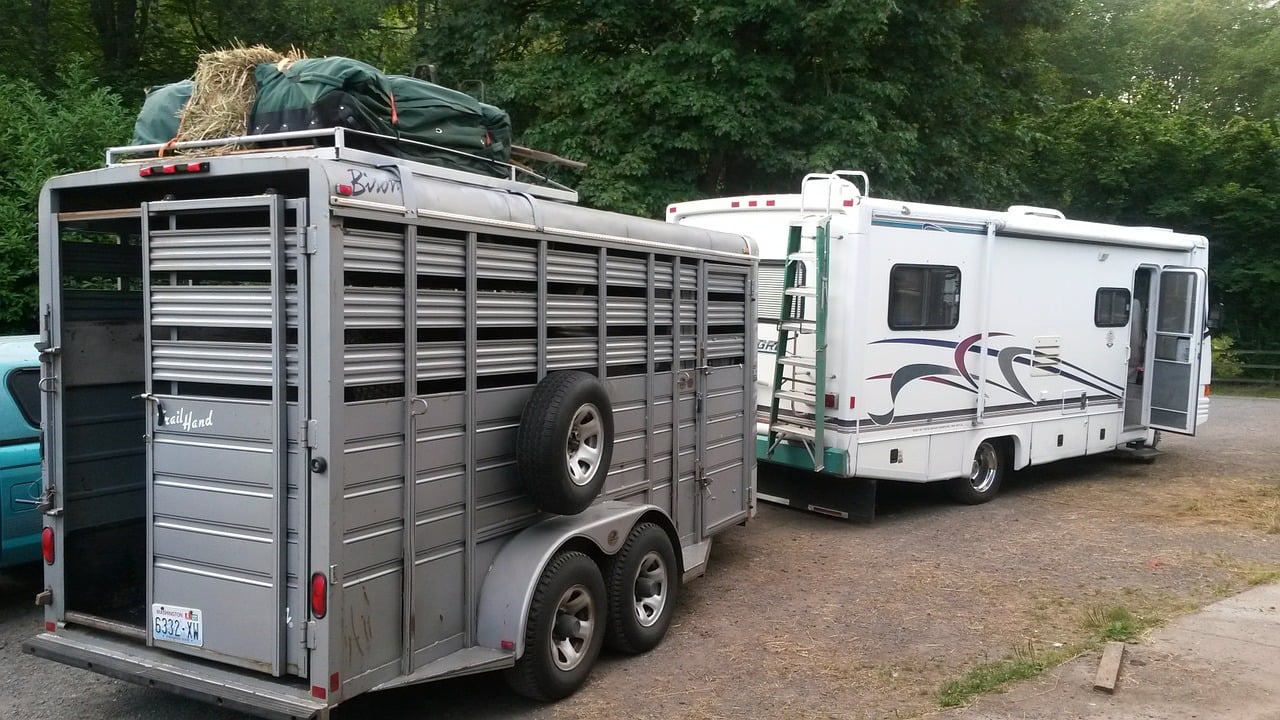 Taking your fun off road ratchets up the fun quotient considerably. There is nothing quite like the thrill of hitting the rugged trails and backwoods roads in your ATV or dirt bike. Keep the fun flowing all year round by making sure that you have the right insurance before you head out on your favorite recreational vehicle.
Don’t Make Insurance Assumptions
The last thing you want to do is assume that your current insurance will cover any mishaps that might occur involving your ATV or dirt bike. The reality is that this is not likely to be the case. In nearly all instances, your homeowners’ insurance and auto insurance will not cover any damages incurred by or to your off road recreational vehicles. For example, if you wreck your ATV on your own property, it is not likely that your homeowners insurance will pay for it.
Taking Your Recreational Vehicles out in Public
California is blessed with a gorgeous climate and many different types of terrain. Taking your dirt bike or ATV to one of the many recreational areas that exists within the state adds variety to your hobby time while also giving you much needed space to test your speed and agility. Before you make plans to do so, though, you need to make sure that you have the necessary insurance as required by California.
Specialized Insurance for Specialized Equipment
Speaking with your insurance company about your ATVs and dirt bikes can help them craft a unique insurance plan for you. This plan will provide you with the liability, collusion and comprehensive insurance that covers any issue that might arise while you are enjoying your hobby.
Read more
11 years ago
·
by
Shawna Kreis ·
Comments Off on Sprucing up your yard for Spring
 With the warm spring weather comes the desire to make your yard more presentable. While some of the tasks listed below might seem tedious, the end result — a beautiful yard that bursts with life — that will make all your efforts seem worth it.
1. Do a clean sweep. This is the time to remove all that debris leftover from the winter storms. Remove dead leaves, twigs and fallen branches from your yard. Tackle any weeds that have popped up to take advantage of the warmer weather.
2. Feed your yard and your garden. After the long winter, take time to feed and seed your yard and garden. This provides a firm foundation for a robust yard of green grass later on in the season.
3. Plant it! Whether you want to try your hand at vegetable gardening this year or you are looking forward to the colorful blossoms of spring, early spring is the time to plant. Purchase flowers that have already been started for a welcome splash of color. Thoroughly fertilize your garden plot to ensure that your young plants have a strong start in life.
4. Add accessories. Just like your accessories make your outfit, so do they in your yard. Large planters highlight favorite plantings while lawn furniture gives you a comfortable and relaxing place to unwind after a long day at work.
5. Tend to older plants. Now that winter is over, it is time to see how your existing foliage weathered the elements. Take the time to prune your bushes, trees and other plants. Mulch them thoroughly to provide them with the nutrients they need to recuperate after the winter. Then enjoy them as they bloom for you once again this year.
Read more
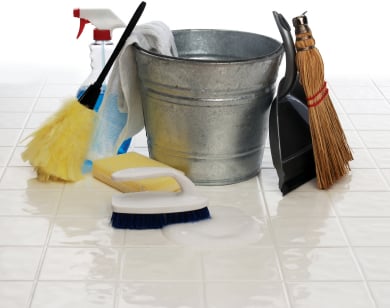 Spring cleaning does more than remove dirt and grime left over from winter. It also protects your house and reduces maintenance costs. So, try four spring cleaning tips this season as you cleanse your home.
1. Wash walls, windows and baseboards.
Often overlooked during weekly cleaning, the walls, windows and baseboards of your home harbor plenty of dirt and dust. Wash them at least once a year to ensure they look nice and to protect their finish.
*Move the furniture away from the walls, and wipe down the walls with a slightly damp cloth or magic eraser.
*The baseboards are also easy to wash off with a damp cloth. A toothbrush reaches into all the crevices.
*Use vinegar on the windows instead of glass cleaner to cut through accumulated dirt and prevent streaks.
2. Scrub the carpet.
Accumulated dirt, pet dander and odors can quickly ruin your carpets. Instead of merely running the vacuum each week, deep clean the carpets at least once a year. You can easily rent a carpet cleaner and do the job yourself or hire a professional cleaner as you prolong the life of your floors.
3. Care for furniture.
Modern or antique, your furniture will last longer when it’s free from dirt. Take time this spring to wipe off each piece from top to bottom. Use a soft cloth on wood to prevent scratches, and remember to spot treat dirty upholstery, flip the cushions and repair any tears or holes in the fabric.
4. Reduce clutter.
In addition to attracting pests and rodents, clutter reduces your ability to exit your home in an emergency. Commit to tossing or donating clutter like piles of books, excess furniture or anything you haven’t used in six months. Your home will thank you.
With these four spring cleaning tips, you’re able to reduce maintenance costs over time. So, look forward to protecting your home this season.
Read more
